
When it comes to the fascinating world of drones, the process of assembling them can be both exciting and daunting. As a supplier of Drone Assembly Parts, I often encounter the question: "Do I need special tools to assemble drone parts?" In this blog, I'll delve into this query, exploring the tools required for drone assembly, their importance, and how our high - quality parts fit into the equation.
Understanding the Basics of Drone Assembly
Drone assembly involves combining various components to build a functional flying machine. These components typically include a frame, motors, electronic speed controllers (ESCs), a flight controller, a battery, and a propeller set. Before we discuss the tools, it's essential to understand the complexity of the assembly process.
The assembly can range from a relatively straightforward task for beginner - friendly drones to a highly intricate process for advanced, custom - built models. The level of complexity will significantly influence the tools needed.
Tools for Basic Drone Assembly
For those just starting with drone assembly, a basic toolkit can suffice. Here are some of the essential tools:
1. Screwdrivers
Screwdrivers are perhaps the most fundamental tool in any drone assembly kit. You'll need both Phillips - head and flat - head screwdrivers in various sizes. The frame of the drone often uses screws to hold different parts together, and the motor mounts also require screwdrivers for installation. A small, precision set of screwdrivers is ideal as drone components are usually small and require delicate handling.
2. Pliers
Pliers come in handy for tasks such as bending and cutting wires. When connecting the ESCs to the motors and the flight controller, you may need to trim excess wire length and ensure a secure connection. Needle - nose pliers are particularly useful due to their ability to reach into tight spaces.
3. Tweezers
Tweezers are essential for handling small components like tiny screws, solder beads, and circuit board connectors. They allow for precise placement and manipulation of these delicate parts, reducing the risk of dropping or misplacing them.

If you're assembling a budget - friendly, ready - to - assemble drone kit, these basic tools should be sufficient for the job. They are relatively inexpensive and can be found in most hardware stores.
Special Tools for Advanced Drone Assembly
As you move towards more advanced drone assembly, you may find that you need specialized tools to ensure a high - quality build.
1. Solder Station
Soldering is a crucial skill for advanced drone builders. A solder station is used to create permanent electrical connections between components such as wires and circuit boards. It provides more precision and control compared to a simple soldering iron. The ability to adjust the temperature is essential, as different components require different soldering temperatures. For example, soldering wires to an ESC or a flight controller should be done at a specific temperature to avoid damaging the sensitive electronic components.
2. Multimeter
A multimeter is an indispensable tool for troubleshooting and quality control during assembly. It can measure voltage, current, and resistance. Before powering up your drone, you can use a multimeter to check if the battery is properly charged, if the ESCs are outputting the correct voltage, and if there are any short circuits in the electrical system. This helps to prevent potential damage to the components and ensures the safety of the assembled drone.
3. Heat Gun
A heat gun is used for heat - shrinking tubing. Heat - shrink tubing provides insulation and protection for exposed wires. By applying heat from a heat gun, the tubing shrinks and tightly wraps around the wires, preventing short circuits and protecting the wires from environmental factors such as moisture and abrasion.
4. Propeller Balancer
Propellers are critical to the smooth and stable flight of a drone. A propeller balancer helps to ensure that the propellers are evenly balanced. Unbalanced propellers can cause vibrations, which can affect the drone's flight performance and even damage other components over time. By using a propeller balancer, you can identify any imbalances and make the necessary adjustments, such as adding small weights to the propeller.
The Role of Our Drone Assembly Parts
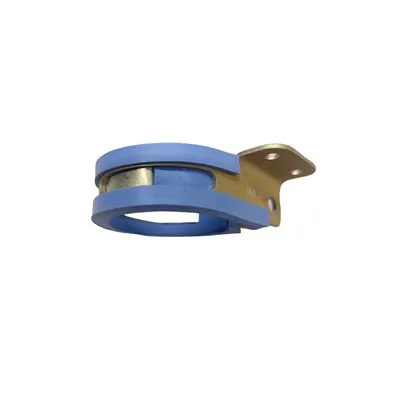
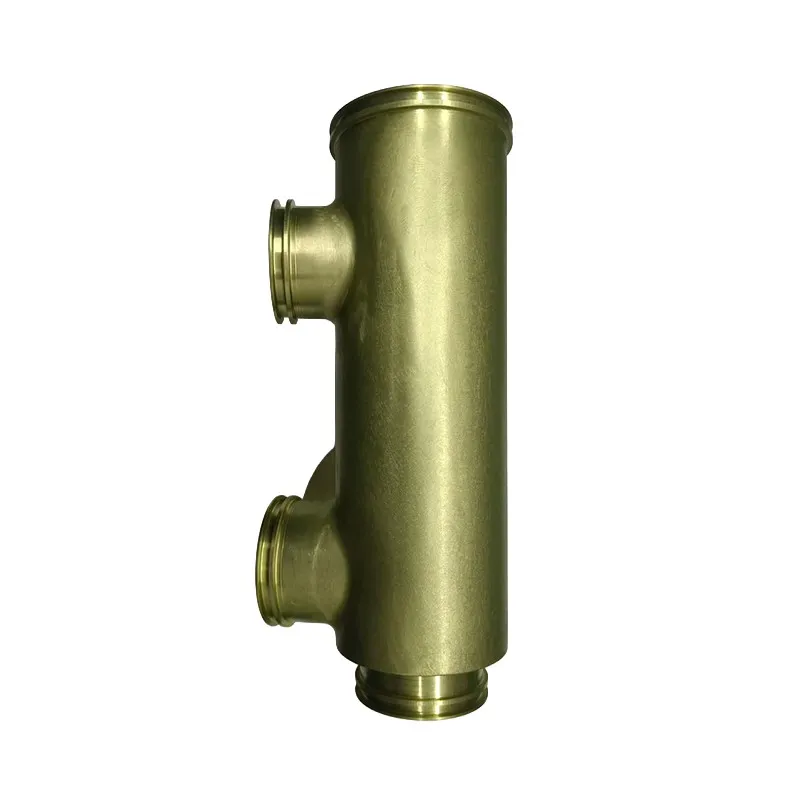
As a supplier of Drone Assembly Parts, we understand the importance of providing high - quality parts that are easy to assemble. Our parts are designed with precision and compatibility in mind, reducing the complexity of the assembly process.
For example, our frames are made from lightweight yet durable materials, and the holes for mounting motors and other components are pre - drilled to ensure a perfect fit. The ESCs are pre - programmed and calibrated, reducing the need for extensive soldering and configuration. Our flight controllers are user - friendly and come with detailed instructions, making it easier for even novice builders to set up their drones.
Cost - Benefit Analysis of Special Tools
Investing in special tools for drone assembly can seem expensive, especially for hobbyists on a budget. However, it's important to consider the long - term benefits.
Special tools can improve the quality of your drone assembly. A well - soldered connection made with a proper solder station is less likely to break or cause electrical problems compared to a poorly soldered joint. A balanced propeller achieved with a propeller balancer can result in a smoother and more stable flight, reducing the risk of crashes and damage to the drone.
Moreover, if you plan to build multiple drones or engage in more advanced drone projects in the future, the initial investment in special tools will pay off. You'll save time and money on repairs and replacements caused by sub - standard assembly.
Tips for Choosing the Right Tools
When choosing tools for drone assembly, consider the following factors:
1. Quality
Invest in high - quality tools. Cheaper tools may be more affordable upfront, but they are often less durable and may not provide the precision required for drone assembly. A good quality screwdriver, for example, will have a well - fitting tip that won't strip the screws.
2. Compatibility
Ensure that the tools you choose are compatible with the components of your drone. For example, if you're using a specific type of battery, make sure your multimeter can accurately measure its voltage.
3. Ease of Use
Choose tools that are easy to use, especially if you're a beginner. A user - friendly solder station with clear temperature controls and an ergonomic design will make the soldering process less frustrating.
Conclusion
So, do you need special tools to assemble drone parts? The answer depends on the complexity of the drone you're building. For basic drone assembly, a set of common hand tools like screwdrivers, pliers, and tweezers will be sufficient. However, for more advanced builds, investing in special tools such as a solder station, multimeter, heat gun, and propeller balancer can significantly improve the quality and performance of your drone.
As a supplier of Drone Assembly Parts, we are committed to providing you with the highest - quality components to make your drone assembly experience as smooth as possible. If you're interested in purchasing our parts or have any questions about drone assembly, feel free to get in touch with us for a procurement discussion. Our team of experts is ready to assist you in creating the perfect drone for your needs.
References
- Drone Technology Handbook, 3rd Edition. ISBN: 978 - 1 - 119 - 47737 - 7
- DIY Drones: Building and Programming Autonomous Vehicles. ISBN: 978 - 1 - 4493 - 1973 - 0