
Can rubber channel seals be used in railway applications? That's a question I get asked a lot as a supplier of Rubber Channel Seals. And the answer is a resounding yes! In this blog post, I'll dive into why rubber channel seals are a great fit for railway applications, the benefits they offer, and how they stack up against other sealing solutions.
Why Rubber Channel Seals in Railway Applications?
First off, let's talk about the unique challenges that railway applications present. Trains operate in a wide range of environments, from scorching deserts to freezing mountains. They're exposed to extreme temperatures, vibrations, moisture, and dirt. And when it comes to sealing components, these conditions can be a real test.
Rubber channel seals are up to the task. They're made from high - quality rubber materials that can withstand a wide temperature range. Whether it's the sweltering heat of a summer day or the bone - chilling cold of winter, these seals maintain their flexibility and sealing properties.
Another big plus is their ability to resist vibrations. Trains are constantly in motion, and the vibrations can cause traditional seals to loosen or fail. Rubber channel seals, however, have a design that allows them to grip tightly and stay in place, even under the most intense vibrations.
Moisture and dirt are also common enemies in railway applications. Water can seep into components, causing corrosion and damage. Dirt and debris can get in and interfere with the proper functioning of parts. Rubber channel seals create a tight barrier that keeps moisture and dirt out, protecting the sensitive equipment inside.
Benefits of Rubber Channel Seals
1. Durability
One of the main benefits of rubber channel seals is their durability. They're built to last, even in the harshest railway environments. The rubber materials used are resistant to wear and tear, so they can handle the constant movement and friction without breaking down. This means less maintenance and replacement, which can save a lot of time and money in the long run.
2. Customizability
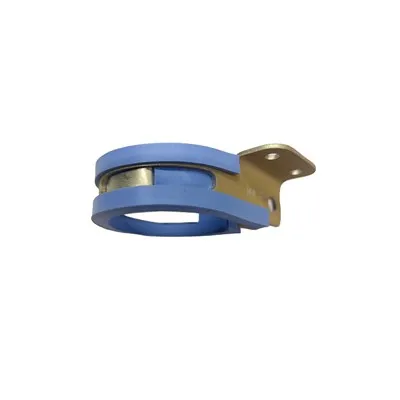
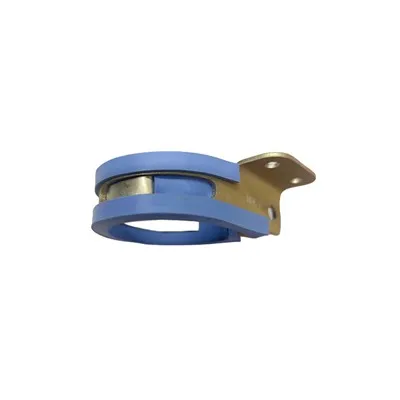
Every railway application is different, and rubber channel seals can be customized to fit specific needs. We can adjust the size, shape, and material of the seals to match the requirements of different train components. Whether it's a small, intricate seal for a control panel or a large, heavy - duty seal for a locomotive door, we can create the perfect solution.
3. Cost - effectiveness
Compared to some other sealing solutions, rubber channel seals are very cost - effective. They offer high performance at a reasonable price, making them a great choice for railway operators who are looking to keep their costs down. And because they last a long time, the overall cost of ownership is lower.
How Rubber Channel Seals Compare to Other Sealing Solutions
Let's take a look at how rubber channel seals stack up against some other common sealing solutions in railway applications.
O - Rings
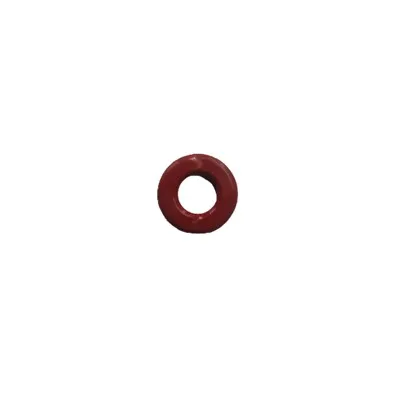
O - rings are another popular sealing option. They're simple and effective, but they may not be the best choice for all railway applications. While High - Quality O - Rings can provide a good seal, they may not be as durable or resistant to vibrations as rubber channel seals. O - rings are also more likely to be dislodged under high - pressure or high - vibration conditions.
Rubber Cord Seals
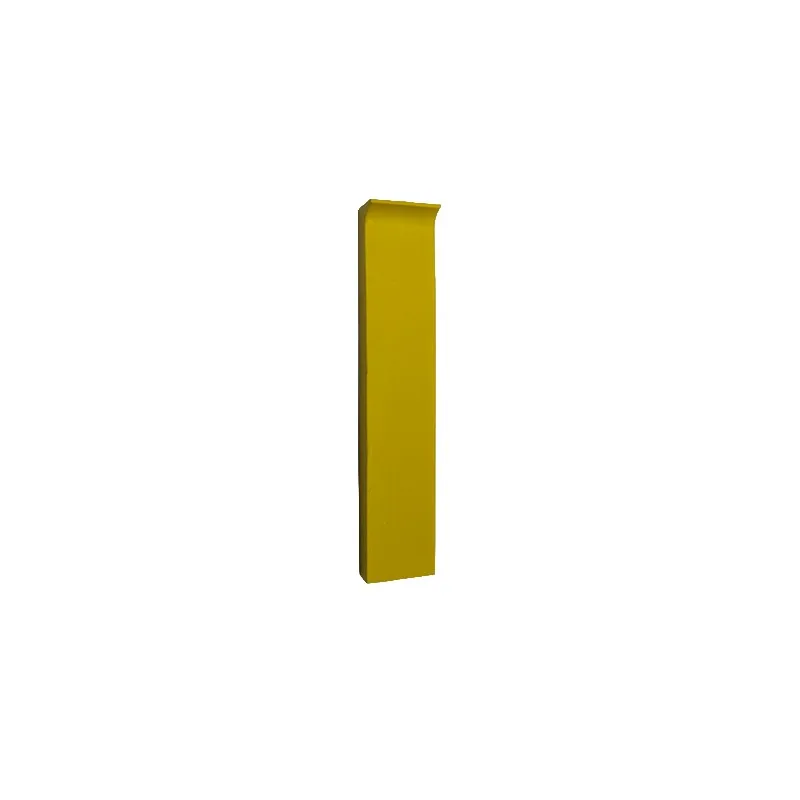
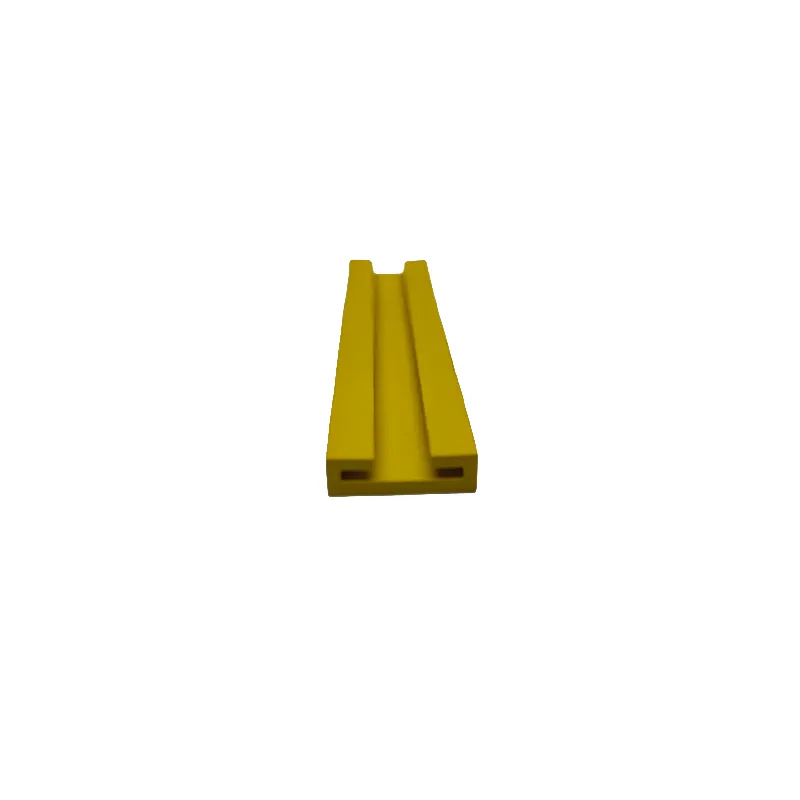
Rubber Cord Seals are similar to rubber channel seals in some ways, but they have some limitations. Rubber cord seals are often used for simple sealing tasks, but they may not provide the same level of protection against moisture and dirt as rubber channel seals. They also may not be as customizable, as they come in standard sizes and shapes.
Real - World Applications of Rubber Channel Seals in Railways
Rubber channel seals are used in a variety of railway applications. Here are some examples:
Train Doors
Train doors need to be sealed tightly to keep passengers safe and comfortable. Rubber channel seals are used to create a weather - tight seal around the doors, preventing water, wind, and noise from entering the train. They also help to reduce vibrations and rattling, making the ride smoother.
Windows
Windows on trains also require effective sealing. Rubber channel seals are used to seal the edges of the windows, keeping out moisture and dirt. They also provide a cushioning effect, which helps to reduce noise and vibrations.
Electrical Components
Many electrical components on trains are sensitive to moisture and dirt. Rubber channel seals are used to protect these components, ensuring that they operate properly. They can be used to seal control panels, junction boxes, and other electrical enclosures.
Conclusion and Call to Action
In conclusion, rubber channel seals are an excellent choice for railway applications. They offer durability, customizability, and cost - effectiveness, and they can withstand the harsh conditions that trains are exposed to. If you're in the railway industry and looking for a reliable sealing solution, Rubber Channel Seals are definitely worth considering.
If you're interested in learning more about our rubber channel seals or discussing your specific needs, feel free to reach out. We're here to help you find the perfect sealing solution for your railway applications.
References
- Railway Sealing Technology Handbook
- Rubber Materials and Their Applications in Engineering