
Safety is a paramount concern in the field of mechanical parts processing. As a trusted supplier of mechanical parts processing, we understand the critical importance of adhering to strict safety precautions to ensure the well - being of our workers, the quality of our products, and the overall success of our operations. In this blog, we will explore the key safety precautions that are essential in mechanical parts processing.
1. Personal Protective Equipment (PPE)
One of the most fundamental safety measures in mechanical parts processing is the proper use of personal protective equipment. Workers must wear appropriate PPE at all times to protect themselves from various hazards.
- Safety Glasses: Safety glasses are a must - have in the workshop. They protect the eyes from flying debris, metal shavings, and splashes of coolant or lubricants. For example, during the turning or milling processes, small chips can be ejected at high speeds. Without safety glasses, these chips can cause serious eye injuries.
- Ear Protection: The noise level in a mechanical parts processing facility can be extremely high, especially when using heavy - duty machinery such as grinders and drills. Prolonged exposure to high - level noise can lead to hearing loss. Workers should wear earplugs or earmuffs to reduce the risk of noise - induced hearing damage.
- Gloves: Different types of gloves are required depending on the task. Heat - resistant gloves are used when handling hot workpieces, while cut - resistant gloves protect the hands from sharp edges and cutting tools. For instance, when deburring a machined part, cut - resistant gloves can prevent cuts and lacerations.
- Safety Shoes: Safety shoes with steel toes are essential to protect the feet from falling objects, heavy machinery, and sharp tools. In a busy workshop, there is always a risk of something falling on the feet, and safety shoes can prevent serious foot injuries.
2. Machine Safety
The machinery used in mechanical parts processing can be very dangerous if not properly maintained and operated.
- Machine Guards: All machines should be equipped with appropriate guards to prevent workers from coming into contact with moving parts. For example, lathes should have guards around the spindle and the chuck to prevent hands from getting caught. Milling machines should have guards around the cutter to protect workers from flying chips and the rotating cutter itself.
- Lock - out/Tag - out Procedures: Before performing any maintenance or repair work on a machine, it is crucial to follow lock - out/tag - out procedures. This involves shutting off the power supply, locking the switch in the off position, and tagging it to indicate that the machine is being serviced. This prevents accidental startup of the machine while someone is working on it.
- Regular Maintenance: Machines should be regularly maintained to ensure their safe operation. This includes checking for loose parts, worn - out belts, and proper lubrication. For example, a poorly lubricated machine can overheat and cause a fire or mechanical failure. Regular maintenance also helps to identify and fix potential safety hazards before they become serious problems.
3. Workspace Safety
A well - organized and safe workspace is essential for mechanical parts processing.
- Cleanliness: The workshop should be kept clean at all times. Debris, chips, and coolant should be regularly removed from the floor to prevent slips, trips, and falls. A cluttered workspace can also make it difficult to access emergency equipment and can increase the risk of accidents.
- Ventilation: Adequate ventilation is necessary to remove fumes, dust, and coolant mist from the air. Some machining processes, such as grinding and welding, can produce harmful fumes and dust. Poor ventilation can lead to respiratory problems and other health issues for workers.
- Storage: Tools and materials should be properly stored to prevent them from falling and causing injuries. Shelves and cabinets should be sturdy and organized, and heavy items should be stored at a lower level to reduce the risk of toppling.
4. Material Handling Safety
Handling materials in mechanical parts processing can be dangerous if not done correctly.
- Lifting Techniques: Workers should be trained in proper lifting techniques to prevent back injuries. When lifting heavy objects, they should bend their knees, keep their back straight, and lift with their legs. If an object is too heavy to lift alone, a hoist or other lifting equipment should be used.
- Transportation: Materials should be transported safely. Forklifts and other material - handling equipment should be operated by trained personnel. When using a forklift, the load should be balanced and secured to prevent it from falling off during transportation.
5. Process - Specific Safety Precautions
Different mechanical parts processing operations have their own specific safety requirements.
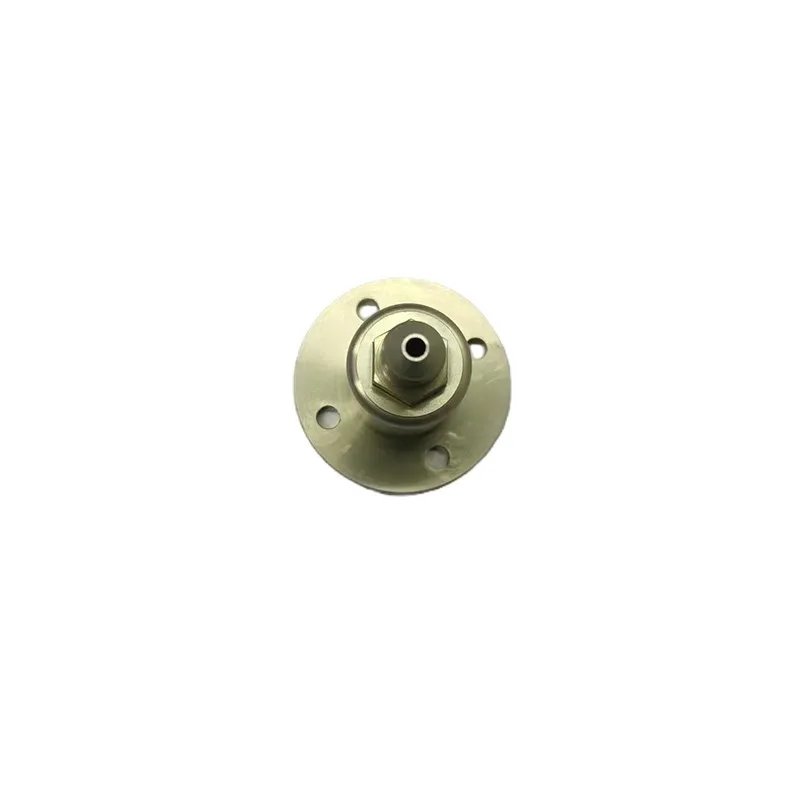
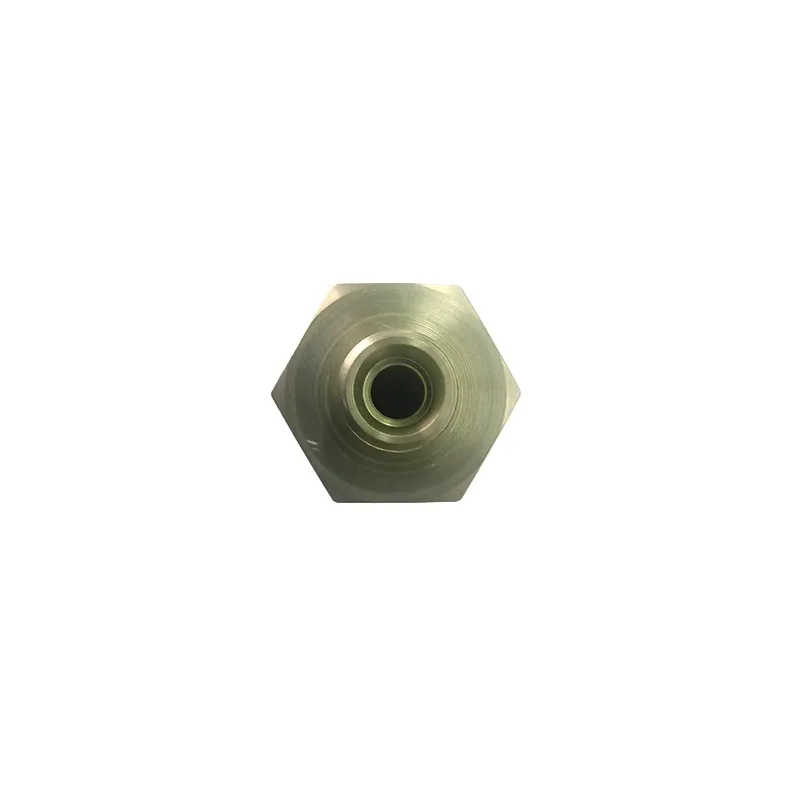
- CNC Machining: In Valve Body CNC Machining, workers need to be familiar with the programming and operation of the CNC machine. They should also ensure that the workpiece is properly clamped to prevent it from moving during machining, which can cause tool breakage and other safety issues.
- Reducer Housing Processing: When performing Reducer Housing Processing, workers need to pay attention to the accuracy of the machining process. The housing needs to be machined to precise dimensions, and any errors can lead to problems with the final product. Additionally, workers should be careful when handling the heavy reducer housing to avoid injuries.
- Reducer Output Shaft Processing: Reducer Output Shaft Processing requires special attention to the surface finish and the accuracy of the shaft. Workers should use appropriate cutting tools and techniques to ensure the quality of the shaft. They also need to be careful when handling the shaft, as it can be sharp and heavy.
6. Training and Education
Proper training and education are essential for ensuring the safety of workers in mechanical parts processing.
- Initial Training: New workers should receive comprehensive training on safety procedures, machine operation, and the use of PPE. This training should cover all aspects of the job, from basic safety rules to specific process - related safety requirements.
- Ongoing Training: Regular refresher courses should be provided to keep workers updated on the latest safety regulations and best practices. This can help to reinforce safe work habits and prevent complacency.
7. Emergency Preparedness
In case of an emergency, it is important to have a well - planned emergency response system in place.
- Emergency Exits: The workshop should have clearly marked emergency exits that are easily accessible. Workers should be familiar with the location of these exits and the evacuation routes.
- First - Aid Kits: First - aid kits should be readily available in the workshop. Workers should be trained in basic first - aid procedures to provide immediate assistance in case of an injury.
- Fire Safety: Fire extinguishers should be installed in the workshop, and workers should be trained in their proper use. Regular fire drills should be conducted to ensure that workers know how to respond in case of a fire.
As a mechanical parts processing supplier, we are committed to providing high - quality products while ensuring the safety of our workers. By implementing these safety precautions, we can minimize the risk of accidents and create a safe working environment. If you are in need of mechanical parts processing services, we invite you to contact us for a procurement discussion. We look forward to working with you to meet your specific needs.
References
- "Safety in Manufacturing Processes", Industrial Safety Handbook, 3rd Edition.
- "Machine Safety Standards and Guidelines", American National Standards Institute (ANSI).
- "Personal Protective Equipment Regulations", Occupational Safety and Health Administration (OSHA).