
As a high - quality O - rings supplier, I understand the significance of proper lubrication for O - rings. O - rings are crucial components in various industries, from automotive to aerospace, and their performance can be greatly enhanced through correct lubrication. In this blog, I will share some in - depth knowledge on how to lubricate high - quality O - rings effectively.
Why Lubricate O - Rings?
Before delving into the lubrication process, it's essential to understand why lubrication is necessary. Lubrication reduces friction between the O - ring and the mating surface. This reduction in friction not only extends the lifespan of the O - ring but also improves the sealing performance. When an O - ring moves without proper lubrication, it can experience excessive wear, leading to leaks and potential system failures. Additionally, lubrication can prevent the O - ring from sticking to the mating surface, which is especially important in applications where the O - ring needs to be easily removable.
Selecting the Right Lubricant
The first step in lubricating high - quality O - rings is choosing the appropriate lubricant. There are several types of lubricants available, each with its own set of properties and applications.

Silicone - Based Lubricants
Silicone - based lubricants are a popular choice for O - ring lubrication. They offer excellent chemical resistance, high - temperature stability, and low friction. Silicone lubricants are compatible with most rubber materials used in O - rings, such as nitrile, EPDM, and fluorocarbon. They are also non - reactive and do not cause swelling or degradation of the O - ring material. However, silicone lubricants can be more expensive than other types of lubricants.
Mineral Oil - Based Lubricants
Mineral oil - based lubricants are cost - effective and widely available. They provide good lubrication and are suitable for many general - purpose applications. However, they may not be compatible with all rubber materials. For example, some types of rubber, such as fluorocarbon, can be damaged by mineral oil. Therefore, it's important to check the compatibility of the lubricant with the O - ring material before use.
Synthetic Lubricants
Synthetic lubricants are designed to offer superior performance in specific applications. They can provide excellent lubrication at high temperatures, high pressures, or in harsh chemical environments. Synthetic lubricants are often more expensive than mineral oil - based lubricants but can offer longer service life and better performance in demanding applications.
Preparing the O - Ring for Lubrication
Before applying the lubricant, it's important to prepare the O - ring properly. First, clean the O - ring thoroughly to remove any dirt, debris, or contaminants. This can be done using a mild detergent and water. Rinse the O - ring well and allow it to dry completely. Any remaining moisture can affect the performance of the lubricant and the O - ring.
Next, inspect the O - ring for any signs of damage, such as cuts, tears, or deformities. A damaged O - ring should not be lubricated and used; instead, it should be replaced with a new one.
Applying the Lubricant
Once the O - ring is clean and dry, it's time to apply the lubricant. There are several methods for applying lubricant to O - rings, and the choice of method depends on the type of lubricant and the application.
Dipping
Dipping is a simple and effective method for applying lubricant to O - rings. Fill a container with the lubricant and dip the O - ring into it. Make sure the entire surface of the O - ring is coated with the lubricant. Then, remove the O - ring from the container and allow any excess lubricant to drip off.
Brushing
Brushing is another common method for applying lubricant to O - rings. Use a clean, soft - bristled brush to apply a thin, even layer of lubricant to the surface of the O - ring. Make sure to cover all areas of the O - ring, including the inner and outer surfaces.
Spraying
Spraying is a suitable method for applying lubricant to O - rings in large - scale production. Use a spray bottle or a spray gun to apply the lubricant evenly to the O - rings. Make sure to follow the manufacturer's instructions for the spray equipment and the lubricant.
Post - Lubrication Considerations
After applying the lubricant, it's important to handle the O - ring carefully to avoid removing the lubricant. Avoid touching the lubricated O - ring with bare hands, as the oils and moisture on the skin can contaminate the lubricant. Instead, use clean gloves or tools to handle the O - ring.
When installing the lubricated O - ring, make sure to follow the proper installation procedures. Avoid over - stretching or twisting the O - ring, as this can damage the O - ring and reduce its performance.
Compatibility with Other Components
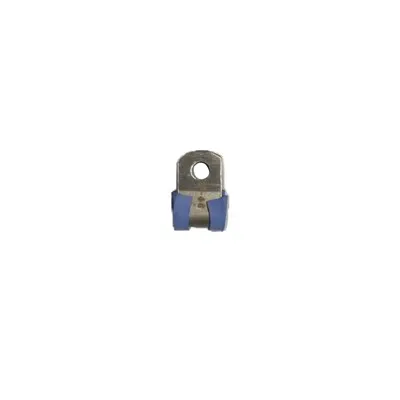
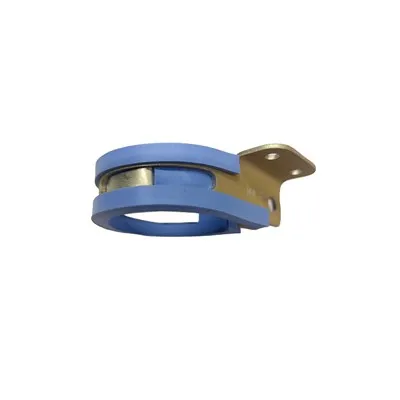
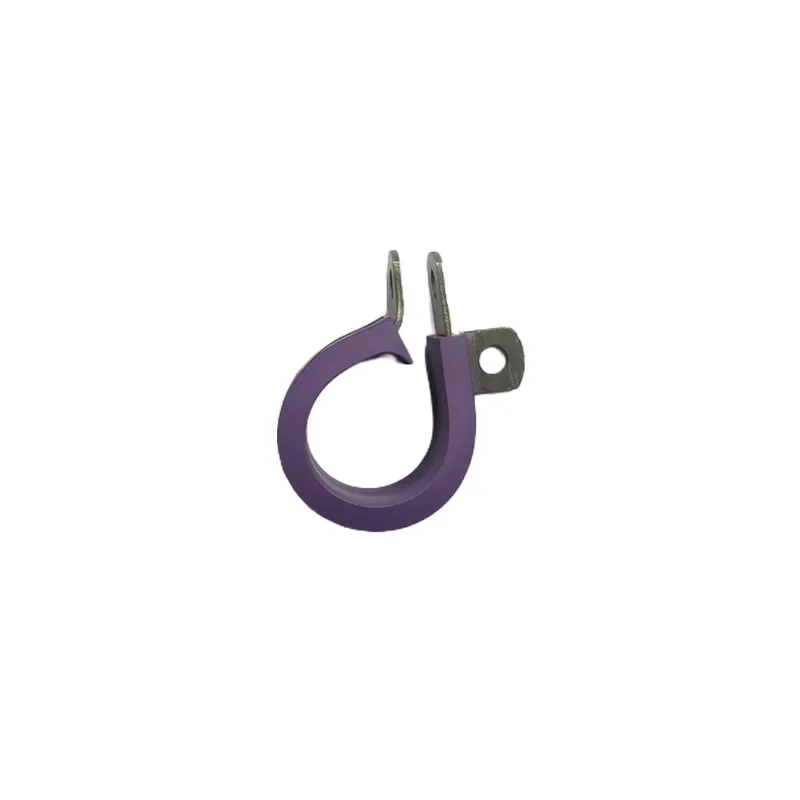
In addition to choosing the right lubricant for the O - ring, it's also important to consider the compatibility of the lubricant with other components in the system. For example, if the O - ring is used in a system with Rubber Coated Cable Clamps, Small Rubber Clamps, or Rubber Cushion Clamps, the lubricant should not cause any damage or degradation to these components.
Maintenance and Re - lubrication
Proper maintenance of lubricated O - rings is essential for their long - term performance. Regularly inspect the O - rings for signs of wear, damage, or loss of lubrication. If the lubricant has dried out or been washed away, re - lubricate the O - ring using the same type of lubricant.
In some applications, the O - rings may need to be re - lubricated more frequently, especially in high - temperature or high - pressure environments. Make sure to follow the manufacturer's recommendations for maintenance and re - lubrication.
Conclusion
Lubricating high - quality O - rings is a critical step in ensuring their optimal performance and longevity. By selecting the right lubricant, preparing the O - ring properly, applying the lubricant correctly, and considering compatibility with other components, you can maximize the benefits of lubrication.
If you are in need of high - quality O - rings or have any questions about O - ring lubrication, please feel free to contact us for a procurement discussion. We are committed to providing you with the best products and services to meet your needs.
References
- "Sealing Technology Handbook" by John H. Bickford
- "Rubber Seals and Gaskets: Materials, Design, and Applications" by A. Y. Coran