
Selecting the right material for an elbow reducer pipe is a critical decision that can significantly impact the performance, durability, and cost - effectiveness of a piping system. As an elbow reducer pipe supplier, I've witnessed firsthand the importance of making informed choices when it comes to material selection. In this blog, I'll share some key considerations to help you choose the most appropriate material for your specific application.

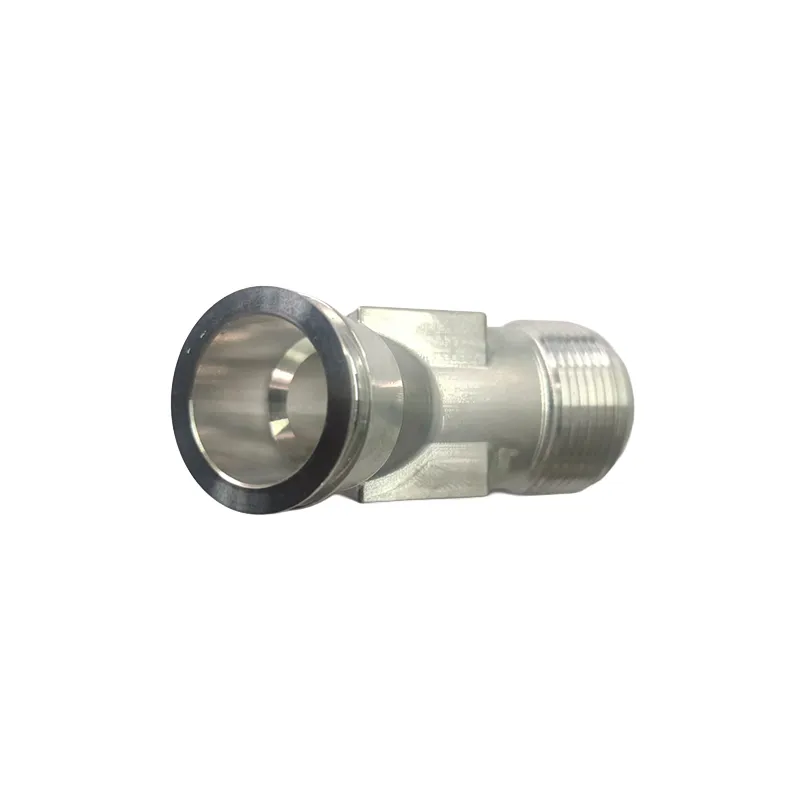
Understanding the Basics of Elbow Reducer Pipes
Elbow reducer pipes are essential components in piping systems. They combine the functions of an elbow, which changes the direction of the flow, and a reducer, which changes the pipe diameter. These pipes are used in a wide range of industries, including oil and gas, chemical processing, water treatment, and HVAC.
Factors Affecting Material Selection
1. Fluid or Gas Being Transported
The nature of the fluid or gas flowing through the pipe is one of the most important factors in material selection. Different substances have different chemical properties that can react with certain materials. For example, in a chemical processing plant where corrosive chemicals are transported, materials like stainless steel or PVC (Polyvinyl Chloride) might be the best choices. Stainless steel offers excellent corrosion resistance due to the presence of chromium, which forms a passive oxide layer on the surface. PVC, on the other hand, is highly resistant to many acids, alkalis, and salts, making it suitable for a variety of chemical applications.
In contrast, in a water supply system, materials such as ductile iron or copper can be used. Ductile iron is known for its strength and durability, and it's often used in underground water mains. Copper is a popular choice for indoor plumbing because it is corrosion - resistant, has good thermal conductivity, and is easy to install.
2. Operating Temperature and Pressure
The temperature and pressure conditions of the system are also crucial. High - temperature applications require materials that can withstand thermal expansion and maintain their mechanical properties. For instance, in a power plant where steam is transported at high temperatures and pressures, alloy steel elbow reducer pipes are often used. Alloy steel has a high melting point and good strength at elevated temperatures.
In low - temperature applications, materials like carbon steel with proper impact - resistant properties may be used. However, if the temperature drops below - 20°C, special low - temperature steels or non - ferrous metals such as aluminum may be more appropriate.
3. Environmental Conditions
The environment in which the piping system is installed can affect the material selection. Outdoor installations are exposed to weather elements such as rain, sunlight, and temperature variations. In coastal areas, pipes are at risk of corrosion due to the presence of salt in the air. In such cases, corrosion - resistant materials like galvanized steel or fiberglass - reinforced plastic (FRP) are good options.
Galvanized steel has a zinc coating that protects the underlying steel from rusting. FRP is lightweight, strong, and resistant to corrosion, making it suitable for harsh outdoor environments.
4. Cost Considerations
Cost is always a factor in any project. While high - performance materials like stainless steel or nickel - based alloys offer excellent properties, they can be more expensive. In some cases, where the system requirements are not extremely demanding, more cost - effective materials like carbon steel can be used. However, it's important to consider the long - term cost, including maintenance and replacement, when making a decision. For example, although carbon steel is cheaper initially, it may require more frequent maintenance due to corrosion, which can increase the overall cost over time.
Common Materials for Elbow Reducer Pipes and Their Applications
1. Carbon Steel
Carbon steel is one of the most commonly used materials for elbow reducer pipes. It is strong, durable, and relatively inexpensive. Carbon steel is suitable for applications where the fluid or gas is not highly corrosive and the operating temperature and pressure are moderate. For example, in general industrial piping systems, water distribution networks, and some oil and gas pipelines where the transported medium is not highly corrosive, carbon steel elbow reducer pipes can be used.
2. Stainless Steel
Stainless steel is a popular choice for applications that require high corrosion resistance. It is widely used in the food and beverage industry, pharmaceutical industry, and chemical processing plants. For example, in a brewery, stainless steel elbow reducer pipes are used to transport beer and other beverages because they are hygienic and do not react with the products. In a chemical plant, stainless steel can withstand the corrosive effects of various chemicals.
3. PVC
PVC is a lightweight and cost - effective material. It is resistant to many chemicals, making it suitable for water treatment plants, irrigation systems, and some chemical processing applications. PVC elbow reducer pipes are easy to install and require minimal maintenance. However, they have limitations in terms of temperature and pressure resistance compared to metal pipes.
4. Ductile Iron
Ductile iron is known for its high strength and toughness. It is commonly used in underground water and sewer systems. Ductile iron elbow reducer pipes can withstand the external pressure from the soil and the weight of traffic above. They are also resistant to abrasion, making them suitable for transporting water with suspended solids.
Related Pipe Fittings
In addition to elbow reducer pipes, there are other important pipe fittings that you may need for your piping system. For example, Y Junction Pipe Fitting is used to split or combine the flow in a piping system. It can be very useful in applications where multiple pipes need to be connected or where the flow needs to be redirected in a Y - shaped pattern.
Swivel Joint Pipe Fittings allow for rotational movement of the pipes, which is beneficial in applications where flexibility is required. They are often used in machinery, automotive, and some industrial processes.
3 Way Elbow Connector is another useful fitting that can change the direction of the flow in three different ways. It is commonly used in complex piping systems where multiple connections and flow directions are needed.
Conclusion
Selecting the right material for an elbow reducer pipe is a complex process that requires careful consideration of various factors such as the fluid or gas being transported, operating temperature and pressure, environmental conditions, and cost. As an elbow reducer pipe supplier, I am committed to providing high - quality products and professional advice to help you make the best decision for your application.
If you are in the process of planning a piping system or need to replace existing elbow reducer pipes, I encourage you to contact me for a detailed discussion. I can help you evaluate your requirements, select the most suitable material, and provide the right products for your project.
References
- ASME B31 Code for Pressure Piping.
- ASTM Standards for Pipe Materials.
- Piping Handbook, 8th Edition, by Mohinder L. Nayyar.