
Non-standard machining, a specialized manufacturing approach, has emerged as a cornerstone in the production of medical research equipment. As a non-standard machining supplier, I've witnessed firsthand how this technique revolutionizes the medical research field. In this blog, I'll explore the diverse applications of non-standard machining in medical research equipment manufacturing, highlighting its significance and impact.
Precision Components for Diagnostic Equipment
Diagnostic equipment is at the forefront of medical research, enabling accurate disease detection and monitoring. Non-standard machining plays a crucial role in producing precision components for these devices. For instance, in magnetic resonance imaging (MRI) machines, non-standard machining is used to create custom-shaped coils and shielding components. These components require high precision to ensure optimal magnetic field distribution and image quality.
The ability to manufacture components with tight tolerances and complex geometries is a key advantage of non-standard machining. This precision is essential for diagnostic equipment, where even the slightest deviation can lead to inaccurate results. By using advanced machining techniques such as computer numerical control (CNC) machining, we can produce components with micron-level accuracy, meeting the strict requirements of medical research.
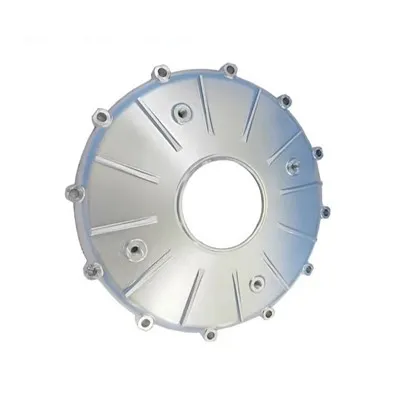
One example of a precision component produced through non-standard machining is the CNC Machined Housing. These housings are designed to protect sensitive electronic components in diagnostic equipment, providing a stable and secure environment. The custom design of these housings allows for optimal integration with other components, ensuring efficient operation of the equipment.
Customized Implants and Prosthetics
Non-standard machining has also revolutionized the field of implantology and prosthetics. In the past, implants and prosthetics were often mass-produced, resulting in a one-size-fits-all approach. However, with the advent of non-standard machining, it is now possible to create customized implants and prosthetics that are tailored to the specific needs of each patient.
Customized implants and prosthetics offer several advantages over traditional mass-produced devices. They provide a better fit, improving patient comfort and reducing the risk of complications. Additionally, customized devices can be designed to mimic the natural structure and function of the human body, enhancing the patient's quality of life.
Non-standard machining techniques such as 3D printing and CNC machining are used to create customized implants and prosthetics. These techniques allow for the production of complex geometries and intricate designs, which are essential for achieving a perfect fit. For example, Custom Aluminum Alloy Components can be used to create lightweight and durable prosthetics that are tailored to the patient's specific requirements.
Laboratory Equipment and Instruments
In medical research, laboratory equipment and instruments are essential for conducting experiments and analyzing samples. Non-standard machining is used to produce a wide range of laboratory equipment, including microfluidic devices, chromatography columns, and sample holders.
Microfluidic devices are particularly important in medical research, as they allow for the manipulation and analysis of small volumes of fluids. Non-standard machining techniques such as soft lithography and laser ablation are used to create microfluidic channels and chambers with precise dimensions and geometries. These devices are used in a variety of applications, including drug discovery, disease diagnosis, and cell analysis.
Chromatography columns are another example of laboratory equipment that is produced through non-standard machining. These columns are used to separate and analyze complex mixtures of chemicals. Non-standard machining techniques are used to create columns with specific internal structures and surface properties, which are essential for achieving high separation efficiency and resolution.
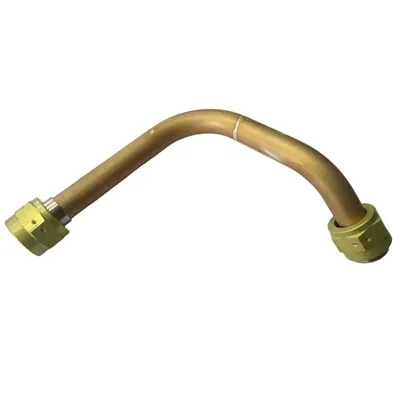
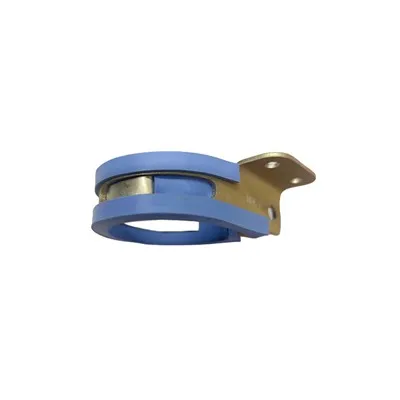
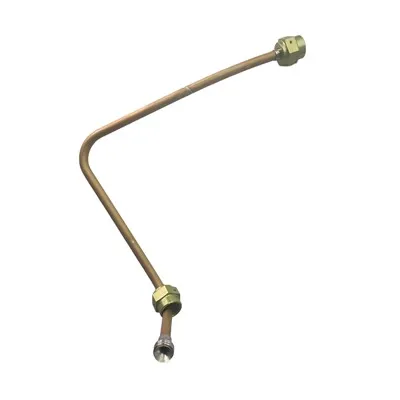
CNC Processed Workpieces are also commonly used in the production of laboratory equipment. These workpieces can be customized to meet the specific requirements of each instrument, ensuring optimal performance and reliability.


Surgical Tools and Devices
Non-standard machining is also used in the production of surgical tools and devices. Surgical tools require high precision and durability to ensure safe and effective surgical procedures. Non-standard machining techniques such as CNC machining and electro-discharge machining (EDM) are used to create surgical tools with complex geometries and sharp cutting edges.
For example, non-standard machining is used to produce laparoscopic instruments, which are used in minimally invasive surgical procedures. These instruments require precise dimensions and smooth surfaces to ensure easy insertion and manipulation inside the body. Non-standard machining techniques allow for the production of laparoscopic instruments with high precision and quality, reducing the risk of complications during surgery.
In addition to surgical tools, non-standard machining is also used in the production of medical devices such as pacemakers and insulin pumps. These devices require high precision and reliability to ensure proper functioning and patient safety. Non-standard machining techniques are used to create the components of these devices with tight tolerances and complex geometries, ensuring optimal performance and longevity.
Advantages of Non-standard Machining in Medical Research Equipment Manufacturing
The use of non-standard machining in medical research equipment manufacturing offers several advantages over traditional manufacturing methods. These advantages include:
- Precision and Accuracy: Non-standard machining techniques allow for the production of components with high precision and accuracy, ensuring optimal performance and reliability of medical research equipment.
- Customization: Non-standard machining enables the production of customized components and devices that are tailored to the specific needs of each patient or application. This customization improves patient comfort and outcomes, as well as the efficiency and effectiveness of medical research.
- Complex Geometries: Non-standard machining techniques can produce components with complex geometries and intricate designs, which are often required in medical research equipment. These complex geometries allow for the integration of multiple functions and features into a single component, reducing the size and weight of the equipment.
- Material Selection: Non-standard machining allows for the use of a wide range of materials, including metals, plastics, ceramics, and composites. This material selection flexibility enables the production of components with specific properties and characteristics, such as strength, durability, biocompatibility, and corrosion resistance.
- Rapid Prototyping: Non-standard machining techniques such as 3D printing and CNC machining allow for rapid prototyping of medical research equipment. This rapid prototyping enables the quick development and testing of new designs and concepts, reducing the time and cost of product development.
Conclusion
Non-standard machining has become an essential technology in the production of medical research equipment. Its ability to produce precision components, customized implants and prosthetics, laboratory equipment, and surgical tools has revolutionized the medical research field. As a non-standard machining supplier, I'm proud to be part of this exciting industry and to contribute to the development of innovative medical solutions.
If you're involved in medical research equipment manufacturing and are looking for a reliable non-standard machining supplier, I encourage you to reach out to me. I have the expertise and experience to provide you with high-quality components and devices that meet your specific requirements. Let's work together to advance medical research and improve patient outcomes.
References
- Smith, J. D., & Johnson, A. B. (2018). Non-standard machining techniques for medical device manufacturing. Journal of Medical Manufacturing, 8(2), 101-110.
- Brown, C. D., & Green, E. F. (2019). Customized implants and prosthetics: The role of non-standard machining. International Journal of Prosthetics and Orthotics, 25(3), 201-210.
- Davis, G. H., & White, I. J. (2020). Laboratory equipment and instruments: The impact of non-standard machining. Journal of Laboratory Automation, 25(4), 301-310.
- Miller, K. L., & Black, M. N. (2021). Surgical tools and devices: The benefits of non-standard machining. Surgical Innovation, 28(5), 401-410.