
Yo, what's up! I'm a supplier of rubber parts, and today I wanna talk about the applications of rubber parts in the oil and gas industry. It's a super interesting topic, and I've got a lot to share based on my experience in this field.
First off, let's understand why rubber parts are so important in the oil and gas industry. The oil and gas business is a tough one. It involves harsh environments, extreme temperatures, and high pressures. Rubber parts are like the unsung heroes that help keep everything running smoothly.
One of the key applications of rubber parts is in sealing. Sealing is crucial in the oil and gas industry to prevent leaks of oil, gas, and other fluids. For example, Rubber Gland Seal is widely used in pumps, valves, and pipelines. These seals are designed to withstand high pressures and resist the corrosive effects of oil and gas. They create a tight barrier that stops any unwanted leakage, which is not only important for safety but also for the efficiency of the operations. If there are leaks, it can lead to loss of valuable resources and even pose a risk to the environment.
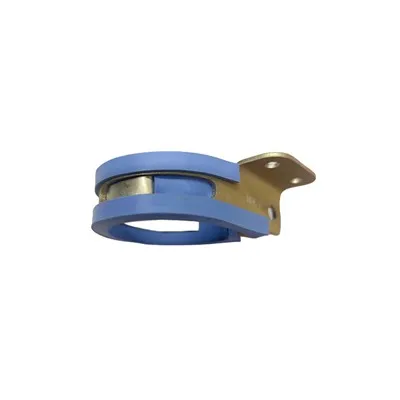
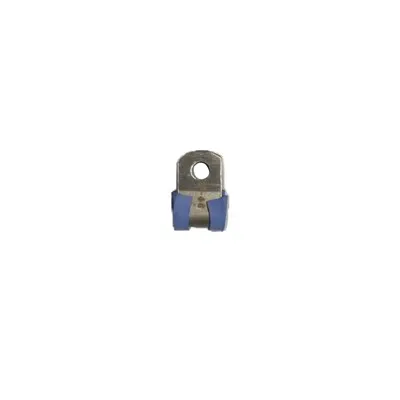
Another important application is in vibration isolation. In oil and gas facilities, there are a lot of moving parts like pumps, compressors, and generators. These machines generate a lot of vibrations. If these vibrations are not properly managed, they can cause damage to the equipment and even lead to structural problems in the facilities. Rubber parts, such as Rubber Cushioned Cable Clamp, are used to isolate these vibrations. They absorb the energy from the vibrations, reducing the impact on the surrounding equipment and structures. This helps to extend the lifespan of the equipment and reduces the maintenance costs.
Cable management is also a significant area where rubber parts come in handy. In the oil and gas industry, there are a lot of cables for power supply, communication, and control systems. These cables need to be properly secured and protected. Rubber Cord Seal is used to seal the entry points of cables into enclosures, junction boxes, and equipment. It not only provides a watertight and dustproof seal but also protects the cables from mechanical damage and chemical exposure. This ensures the reliability of the electrical and communication systems in the oil and gas facilities.
Rubber parts are also used in the drilling process. In drilling rigs, rubber components are used in various parts of the equipment. For example, rubber O - rings are used in drill bits to prevent the leakage of drilling fluids. These fluids are essential for cooling the drill bit, carrying the cuttings to the surface, and maintaining the pressure in the wellbore. Without proper sealing, the drilling process can be severely affected, leading to delays and increased costs.
In the transportation of oil and gas, rubber parts play a vital role as well. Pipelines are the main means of transporting oil and gas over long distances. Rubber gaskets are used at the joints of the pipelines to ensure a leak - free connection. These gaskets need to be able to withstand the high pressures and temperatures inside the pipelines. They also need to be resistant to the chemical properties of the oil and gas being transported.
Moreover, in offshore oil and gas platforms, rubber parts are used in a variety of applications. The platforms are exposed to harsh marine environments, including saltwater, strong winds, and large waves. Rubber parts are used in the mooring systems to absorb the shock and vibration caused by the movement of the platform. They are also used in the hydraulic systems of the platform to seal the cylinders and valves, ensuring the proper operation of the equipment.
When it comes to choosing rubber parts for the oil and gas industry, there are several factors to consider. The first is the chemical resistance. The rubber needs to be able to resist the chemicals present in the oil, gas, and drilling fluids. Different types of rubber have different levels of chemical resistance. For example, nitrile rubber is known for its good resistance to oil and fuel, while fluorocarbon rubber has excellent resistance to a wide range of chemicals, including acids and solvents.
The temperature resistance is another important factor. The oil and gas industry operates in a wide range of temperatures, from extremely cold in some regions to very hot in others. The rubber parts need to be able to maintain their properties over this wide temperature range. For example, silicone rubber has good high - temperature resistance and can be used in applications where the temperature is relatively high.

The mechanical properties of the rubber are also crucial. The rubber needs to have sufficient strength, flexibility, and durability. It should be able to withstand the pressures and forces exerted on it during the operation. For example, in a high - pressure pipeline, the rubber gasket needs to be strong enough to prevent leakage under the high pressure.
As a rubber parts supplier, I understand the importance of providing high - quality products to the oil and gas industry. We have a wide range of rubber parts available, and we can customize them according to the specific requirements of our customers. Whether you need a special - sized seal or a rubber part with specific chemical resistance, we can work with you to find the right solution.
If you're in the oil and gas industry and are looking for reliable rubber parts, don't hesitate to get in touch with us. We're here to help you with all your rubber part needs. We've got the expertise and the products to ensure that your operations run smoothly and efficiently.
References
- "Handbook of Elastomers" by Ibrahim M. Hashmi
- "Oil and Gas Engineering Handbook" by James G. Speight