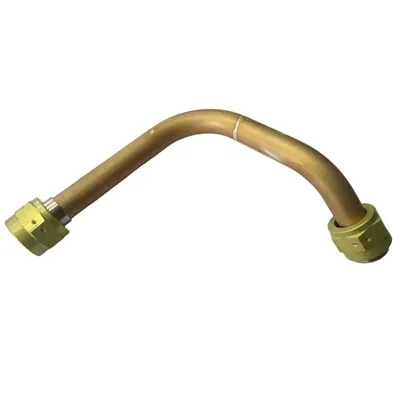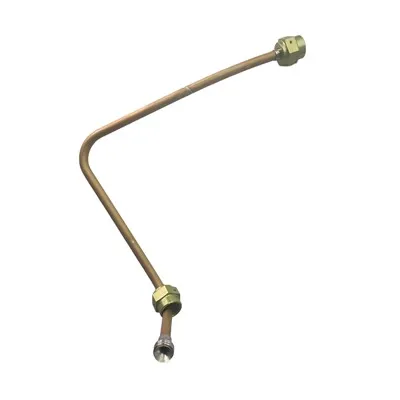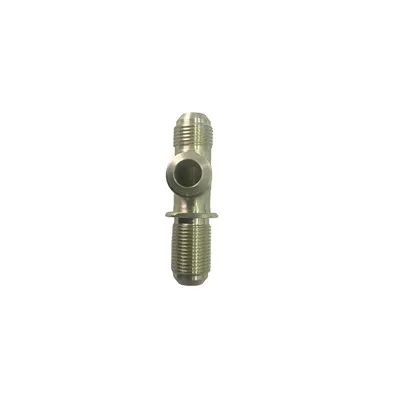

The lifespan of a Y junction pipe fitting is a topic of great significance for both suppliers and users in the piping industry. As a supplier of Y junction pipe fittings, I have witnessed firsthand the importance of understanding the factors that influence the longevity of these essential components. In this blog post, I will delve into the various aspects that determine the lifespan of a Y junction pipe fitting, providing valuable insights for those involved in the selection, installation, and maintenance of piping systems.
Factors Affecting the Lifespan of Y Junction Pipe Fittings
Material Quality
The material used in the manufacturing of Y junction pipe fittings plays a crucial role in determining their lifespan. High - quality materials such as stainless steel, brass, and copper are known for their corrosion resistance, strength, and durability. Stainless steel, for example, is highly resistant to rust and oxidation, making it an ideal choice for applications in harsh environments. Brass is also a popular option due to its excellent machinability and resistance to dezincification. Copper, on the other hand, is valued for its antimicrobial properties and good thermal conductivity.
In contrast, low - quality materials may be more prone to corrosion, cracking, and other forms of damage. These materials can significantly reduce the lifespan of the Y junction pipe fitting, leading to frequent replacements and increased maintenance costs. As a supplier, we ensure that all our Y junction pipe fittings are made from high - quality materials to guarantee long - term performance.
Operating Conditions
The operating conditions of the piping system have a direct impact on the lifespan of Y junction pipe fittings. Factors such as temperature, pressure, and the type of fluid being transported can all affect the integrity of the fittings.
High temperatures can cause the material of the Y junction pipe fitting to expand and contract, leading to stress and potential cracking. Similarly, high pressures can put excessive strain on the fitting, increasing the risk of failure. The type of fluid being transported is also important. For example, corrosive fluids such as acids and alkalis can cause rapid deterioration of the fitting, especially if the material is not resistant to corrosion.
To ensure the longevity of Y junction pipe fittings, it is essential to select the appropriate material and design based on the specific operating conditions. Our team of experts can provide guidance on the best fitting options for different applications, taking into account factors such as temperature, pressure, and fluid compatibility.
Installation and Maintenance
Proper installation and maintenance are key to extending the lifespan of Y junction pipe fittings. Incorrect installation can lead to leaks, misalignment, and other issues that can compromise the performance of the fitting. It is important to follow the manufacturer's installation instructions carefully, ensuring that the fitting is properly aligned and tightened.
Regular maintenance is also essential to detect and address any potential problems before they become serious. This includes inspecting the fitting for signs of corrosion, damage, or leaks, and replacing any worn or damaged components as needed. By implementing a proactive maintenance program, users can significantly extend the lifespan of their Y junction pipe fittings.


Typical Lifespan of Y Junction Pipe Fittings
The lifespan of a Y junction pipe fitting can vary widely depending on the factors mentioned above. In general, high - quality Y junction pipe fittings made from corrosion - resistant materials and installed in appropriate operating conditions can last for several decades.
For example, stainless steel Y junction pipe fittings used in a clean water supply system with normal temperature and pressure conditions can have a lifespan of 20 - 30 years or more. Copper fittings, which are commonly used in plumbing applications, can also last for a long time, typically around 20 - 50 years.
However, in more demanding applications such as industrial processes involving corrosive fluids or high - temperature and high - pressure conditions, the lifespan of Y junction pipe fittings may be significantly shorter. In these cases, it is important to choose fittings that are specifically designed to withstand the harsh operating conditions.
Importance of Choosing the Right Y Junction Pipe Fittings
Selecting the right Y junction pipe fittings is crucial for ensuring the long - term performance and reliability of a piping system. Using low - quality or inappropriate fittings can lead to frequent failures, leaks, and other problems, which can result in costly repairs and downtime.
As a supplier, we offer a wide range of Y junction pipe fittings to meet the diverse needs of our customers. Our products include Small Pipe Fittings, 4 Way Elbow Pipe Fitting, and Elbow Reducer Pipe, all of which are made from high - quality materials and designed to provide excellent performance and durability.
Contact Us for Your Y Junction Pipe Fitting Needs
If you are in the market for high - quality Y junction pipe fittings, we invite you to contact us. Our team of experts is ready to assist you in selecting the right fittings for your specific application, providing you with detailed information on product specifications, installation, and maintenance.
We understand the importance of reliability and longevity in piping systems, and we are committed to providing our customers with the best products and services. Whether you are a contractor, an engineer, or a facility manager, we can help you find the perfect Y junction pipe fittings to meet your needs.
References
- ASME B31.3 Process Piping Code
- ASTM Standards for Pipe Fittings
- Manufacturer's Technical Documentation for Pipe Fittings