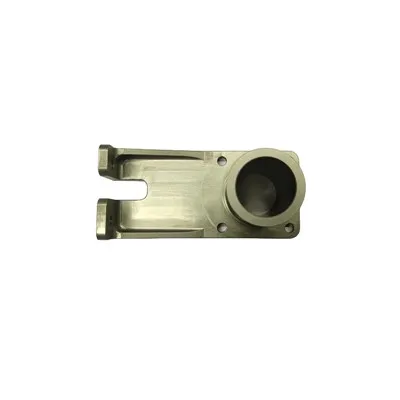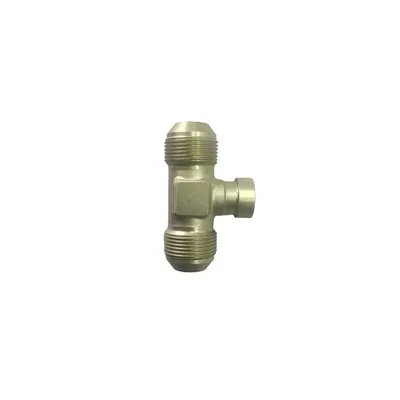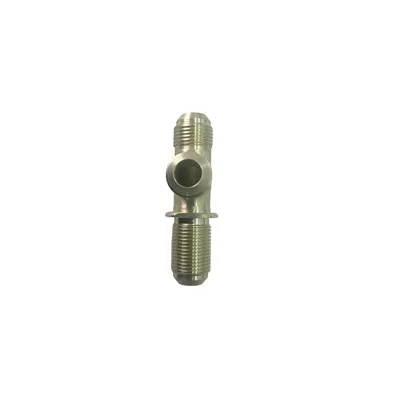

Hey there! As a supplier of CNC Machined Parts, I often get asked about the coolant flow rate for CNC machining of parts. It's a crucial aspect that can significantly impact the quality and efficiency of the machining process. So, let's dive right in and explore what the ideal coolant flow rate is and why it matters.
Understanding the Role of Coolant in CNC Machining
First off, coolant plays several vital roles in CNC machining. It helps to reduce heat generated during the cutting process, which can prevent tool wear and extend the lifespan of cutting tools. It also flushes away chips and debris from the cutting area, ensuring a clean and smooth machining operation. Additionally, coolant can improve the surface finish of the machined parts, making them more precise and of higher quality.
Factors Affecting Coolant Flow Rate
The ideal coolant flow rate depends on several factors, including the type of material being machined, the cutting tool used, the machining operation, and the machine tool itself. Let's take a closer look at each of these factors:
Material Type
Different materials have different heat transfer properties and require different coolant flow rates. For example, materials like aluminum and brass are excellent conductors of heat and require a higher coolant flow rate to dissipate the heat generated during machining. On the other hand, materials like stainless steel and titanium are poor conductors of heat and may require a lower coolant flow rate.
Cutting Tool
The type and geometry of the cutting tool also play a significant role in determining the coolant flow rate. Tools with a larger cutting edge or higher cutting speeds generate more heat and require a higher coolant flow rate. Additionally, tools with special coatings or designs may require a specific coolant flow rate to ensure optimal performance.
Machining Operation
The type of machining operation, such as turning, milling, or drilling, also affects the coolant flow rate. For example, turning operations typically require a lower coolant flow rate compared to milling operations, as the cutting action is more continuous. Drilling operations may require a higher coolant flow rate to flush away chips and prevent tool breakage.
Machine Tool
The capabilities and specifications of the machine tool itself can also influence the coolant flow rate. Some machine tools are equipped with built-in coolant systems that can provide a specific flow rate, while others may require an external coolant system. It's important to ensure that the coolant flow rate is compatible with the machine tool's capabilities to avoid any issues.
Determining the Ideal Coolant Flow Rate
So, how do you determine the ideal coolant flow rate for your CNC machining process? Here are some steps you can follow:
Consult the Tool Manufacturer
The tool manufacturer is a great resource for determining the recommended coolant flow rate for a specific cutting tool. They can provide you with detailed information based on the tool's design, material, and intended application.
Conduct Test Runs
Conducting test runs on a small scale can help you determine the optimal coolant flow rate for your specific machining process. Start with a lower flow rate and gradually increase it until you achieve the desired results in terms of tool life, surface finish, and chip evacuation.
Monitor the Machining Process
During the machining process, monitor the temperature of the cutting tool and the workpiece, as well as the chip formation and surface finish. If you notice any signs of overheating, excessive tool wear, or poor surface finish, it may indicate that the coolant flow rate needs to be adjusted.
Importance of Maintaining the Right Coolant Flow Rate
Maintaining the right coolant flow rate is crucial for several reasons. Firstly, it helps to ensure the longevity of the cutting tools, reducing the need for frequent tool changes and saving on costs. Secondly, it improves the quality of the machined parts, resulting in better surface finish and dimensional accuracy. Finally, it enhances the overall efficiency of the machining process, reducing cycle times and increasing productivity.
Our Services as a CNC Machined Parts Supplier
As a supplier of CNC Machined Parts, we understand the importance of using the right coolant flow rate to achieve high-quality results. We have a team of experienced engineers and technicians who are well-versed in the latest CNC machining techniques and can provide you with expert advice on coolant flow rate and other machining parameters.
We offer a wide range of Mechanical Parts Processing services, including Reducer Output Shaft Processing and Reducer Housing Processing. Our state-of-the-art CNC machines and advanced coolant systems ensure that we can meet your specific requirements and deliver parts of the highest quality.
Contact Us for Your CNC Machining Needs
If you're looking for a reliable supplier of CNC Machined Parts, look no further. We're here to help you with all your machining needs. Whether you need a single part or a large production run, we have the expertise and resources to deliver the best results.
Don't hesitate to contact us to discuss your project and get a quote. We're committed to providing you with excellent customer service and ensuring your satisfaction. Let's work together to achieve your machining goals!
References
- "CNC Machining Handbook" by John Doe
- "Coolant Selection and Application in Machining" by Jane Smith
- "The Role of Coolant in CNC Machining" by Tom Johnson