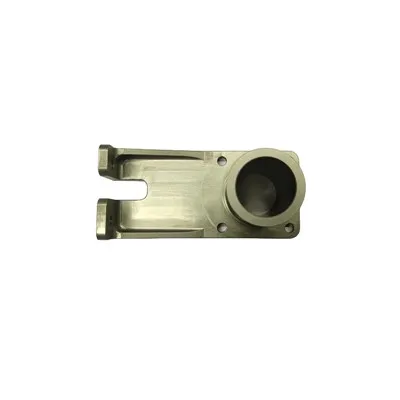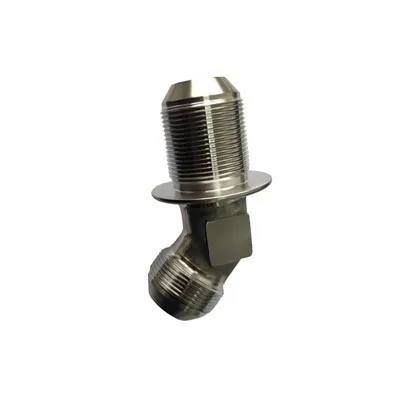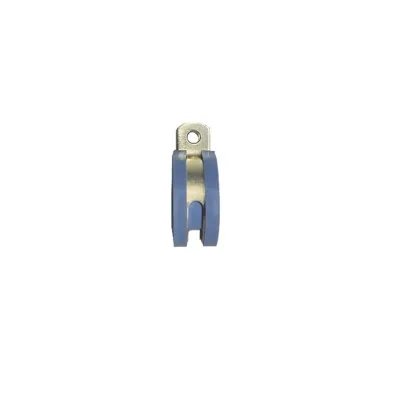

Hey there! As a supplier of rubber parts, I've seen firsthand how important it is to keep these components clean. Whether you're using Rubber Cord Seal, Rubber Strap Clamp, or Rubber Gland Seal, proper cleaning not only extends their lifespan but also ensures they perform at their best. In this blog, I'll share some tips on how to clean rubber parts effectively.
Why Cleaning Rubber Parts Matters
Rubber parts are used in a wide range of applications, from automotive to industrial settings. Over time, they can accumulate dirt, grime, oil, and other contaminants. These substances can not only make the rubber look dirty but also affect its performance. For example, dirt and debris can cause abrasion, leading to premature wear and tear. Oil and chemicals can also degrade the rubber, reducing its elasticity and strength. By cleaning your rubber parts regularly, you can prevent these issues and keep your equipment running smoothly.
Tools and Materials You'll Need
Before you start cleaning your rubber parts, it's important to gather the right tools and materials. Here's what you'll need:
- Mild detergent: Choose a mild, non-abrasive detergent that is safe for use on rubber. Avoid using harsh chemicals or abrasive cleaners, as these can damage the rubber.
- Soft brush: A soft-bristled brush is ideal for cleaning rubber parts. It can help remove dirt and debris without scratching the surface.
- Microfiber cloth: Microfiber cloths are great for wiping down rubber parts. They are soft, absorbent, and won't leave lint behind.
- Water: You'll need water to rinse the rubber parts after cleaning. Make sure the water is clean and free of contaminants.
Step-by-Step Cleaning Process
Now that you have your tools and materials, it's time to start cleaning your rubber parts. Here's a step-by-step guide:
- Remove the rubber parts: If possible, remove the rubber parts from the equipment or machinery. This will make it easier to clean them thoroughly.
- Rinse the parts: Use a hose or bucket of water to rinse the rubber parts. This will help remove any loose dirt and debris.
- Apply the detergent: Mix a small amount of mild detergent with water in a bucket or spray bottle. Apply the detergent to the rubber parts, using a soft brush to scrub gently. Make sure to cover all surfaces of the parts.
- Rinse the parts again: After scrubbing, rinse the rubber parts thoroughly with clean water. Make sure to remove all traces of the detergent.
- Dry the parts: Use a microfiber cloth to dry the rubber parts. Make sure they are completely dry before reinstalling them.
Special Considerations for Different Types of Rubber Parts
Different types of rubber parts may require different cleaning methods. Here are some special considerations for common types of rubber parts:
- Rubber seals: Rubber seals are used to prevent leaks and protect against contaminants. To clean rubber seals, use a mild detergent and a soft brush. Avoid using abrasive cleaners or tools, as these can damage the seals.
- Rubber hoses: Rubber hoses are used to transport fluids and gases. To clean rubber hoses, use a mild detergent and a soft brush. Make sure to clean the inside and outside of the hoses thoroughly.
- Rubber gaskets: Rubber gaskets are used to create a seal between two surfaces. To clean rubber gaskets, use a mild detergent and a soft brush. Make sure to clean the gasket and the mating surface thoroughly.
Tips for Maintaining Clean Rubber Parts
In addition to regular cleaning, there are some tips you can follow to maintain clean rubber parts:
- Store rubber parts properly: When not in use, store rubber parts in a cool, dry place. Avoid exposing them to direct sunlight, heat, or chemicals.
- Inspect rubber parts regularly: Regularly inspect your rubber parts for signs of wear, damage, or contamination. If you notice any issues, replace the parts immediately.
- Use protective coatings: If you're using rubber parts in a harsh environment, consider using a protective coating to prevent damage and contamination.
Conclusion
Cleaning rubber parts is an important part of maintaining their performance and longevity. By following the tips and techniques outlined in this blog, you can keep your rubber parts clean and in good condition. If you have any questions or need further assistance, please don't hesitate to contact us. We're here to help you find the right rubber parts for your needs and ensure they perform at their best.
References
- "Rubber Maintenance and Care," Rubber Manufacturers Association.
- "Cleaning and Maintenance of Rubber Products," Goodyear Tire & Rubber Company.