
Rubber cord seals are essential components in a wide range of industries, providing reliable sealing solutions for various applications. As a leading supplier of rubber cord seals, I am often asked about the materials used to make these seals. In this blog post, I will delve into the different materials commonly used in the production of rubber cord seals, their properties, and their suitability for different applications.
Natural Rubber
Natural rubber, also known as latex rubber, is one of the oldest and most widely used materials for rubber cord seals. It is derived from the sap of the Hevea brasiliensis tree, which is native to South America. Natural rubber offers excellent elasticity, high tensile strength, and good resistance to abrasion and tearing. It also has good low-temperature flexibility, making it suitable for applications in cold environments.
One of the key advantages of natural rubber is its ability to form a tight seal. Its high elasticity allows it to conform to irregular surfaces, ensuring a leak-proof seal. Natural rubber is also resistant to many chemicals, including water, oil, and some solvents. However, it is not suitable for applications where it will be exposed to ozone, sunlight, or high temperatures for extended periods, as these can cause the rubber to degrade.
Synthetic Rubbers
In addition to natural rubber, there are several synthetic rubbers that are commonly used in the production of rubber cord seals. These synthetic rubbers offer a range of properties that make them suitable for different applications.
Nitrile Rubber (NBR)
Nitrile rubber is a synthetic rubber that is widely used in the automotive, aerospace, and industrial sectors. It is known for its excellent resistance to oil, fuel, and other hydrocarbons. Nitrile rubber also has good abrasion resistance and mechanical properties, making it suitable for applications where it will be exposed to harsh environments.
One of the key advantages of nitrile rubber is its ability to maintain its properties over a wide temperature range. It can withstand temperatures from -40°C to 120°C, making it suitable for both cold and hot applications. Nitrile rubber is also resistant to many chemicals, including acids, alkalis, and some solvents.
EPDM Rubber
EPDM rubber is a synthetic rubber that is known for its excellent resistance to weathering, ozone, and UV radiation. It is commonly used in outdoor applications, such as automotive seals, roofing membranes, and weatherstripping. EPDM rubber also has good electrical insulation properties, making it suitable for electrical applications.
One of the key advantages of EPDM rubber is its ability to maintain its flexibility at low temperatures. It can withstand temperatures from -50°C to 150°C, making it suitable for applications in cold environments. EPDM rubber is also resistant to many chemicals, including water, steam, and some acids.
Silicone Rubber
Silicone rubber is a synthetic rubber that is known for its excellent high-temperature resistance and flexibility. It is commonly used in applications where it will be exposed to high temperatures, such as automotive engines, industrial ovens, and food processing equipment. Silicone rubber also has good electrical insulation properties, making it suitable for electrical applications.
One of the key advantages of silicone rubber is its ability to maintain its properties over a wide temperature range. It can withstand temperatures from -60°C to 230°C, making it suitable for both cold and hot applications. Silicone rubber is also resistant to many chemicals, including water, steam, and some acids.
Fluorocarbon Rubber (FKM)
Fluorocarbon rubber, also known as Viton, is a synthetic rubber that is known for its excellent resistance to high temperatures, chemicals, and fuels. It is commonly used in applications where it will be exposed to harsh environments, such as automotive engines, chemical processing plants, and aerospace applications.
One of the key advantages of fluorocarbon rubber is its ability to maintain its properties at high temperatures. It can withstand temperatures from -20°C to 250°C, making it suitable for applications in high-temperature environments. Fluorocarbon rubber is also resistant to many chemicals, including acids, alkalis, and some solvents.
Neoprene Rubber
Neoprene rubber is a synthetic rubber that is known for its excellent resistance to weathering, ozone, and UV radiation. It is commonly used in outdoor applications, such as wetsuits, gaskets, and seals. Neoprene rubber also has good oil and chemical resistance, making it suitable for applications where it will be exposed to harsh environments.
One of the key advantages of neoprene rubber is its ability to maintain its flexibility at low temperatures. It can withstand temperatures from -40°C to 120°C, making it suitable for applications in cold environments. Neoprene rubber is also resistant to many chemicals, including water, oil, and some solvents.
Choosing the Right Material for Your Application
When choosing the right material for your rubber cord seal, it is important to consider the specific requirements of your application. Factors such as temperature, pressure, chemical exposure, and environmental conditions will all play a role in determining the most suitable material.

For applications where the seal will be exposed to high temperatures, silicone rubber or fluorocarbon rubber may be the best choice. These materials can withstand high temperatures without losing their properties. For applications where the seal will be exposed to oil or fuel, nitrile rubber or fluorocarbon rubber may be the best choice. These materials have excellent resistance to oil and fuel.
For applications where the seal will be exposed to outdoor conditions, EPDM rubber or neoprene rubber may be the best choice. These materials have excellent resistance to weathering, ozone, and UV radiation. For applications where the seal will be exposed to chemicals, it is important to choose a material that is resistant to the specific chemicals involved.
Our Products and Services
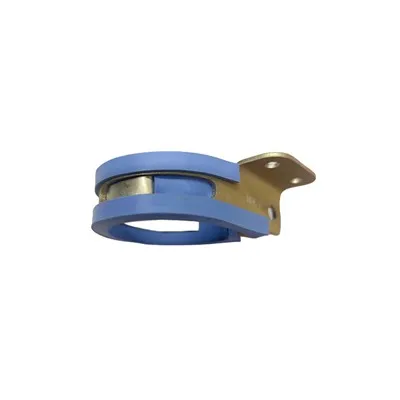
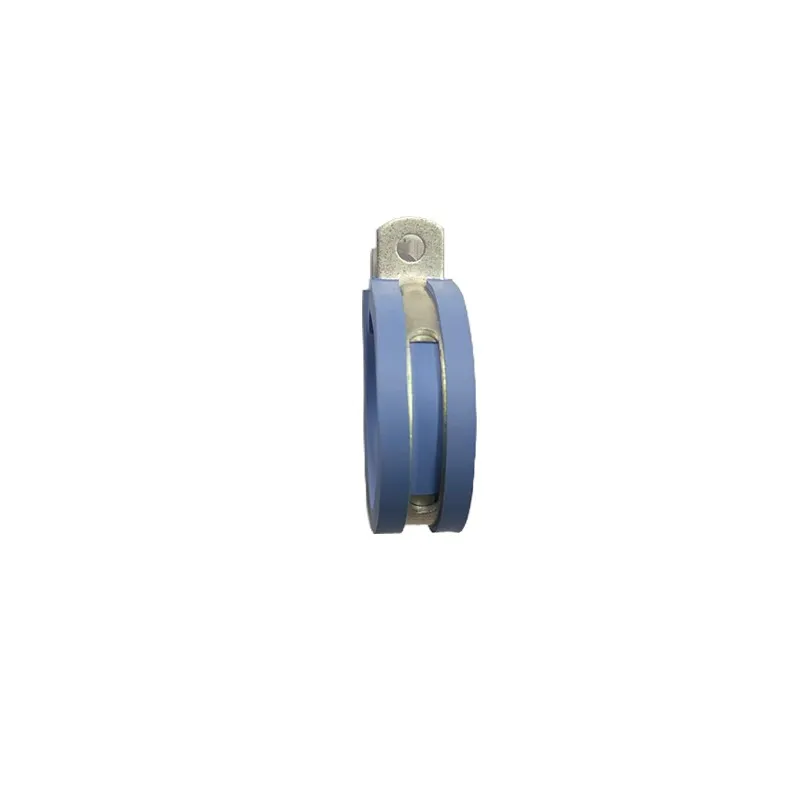
As a leading supplier of rubber cord seals, we offer a wide range of products made from different materials to meet the needs of our customers. Our products include Rubber Strap Clamp, High-Quality O-Rings, and Rubber Cushion Clamps.
We have a team of experienced engineers and technicians who can help you choose the right material for your application. We also offer custom manufacturing services to meet your specific requirements. Whether you need a standard rubber cord seal or a custom-designed seal, we can provide you with the solution you need.
If you are interested in learning more about our products and services, or if you have any questions about rubber cord seals, please contact us. We would be happy to discuss your needs and provide you with a quote.
References
- "Rubber Materials and Their Properties." Handbook of Elastomers, edited by A. K. Bhowmick and H. L. Stephens, Marcel Dekker, 2001.
- "Synthetic Rubbers: Their Chemistry and Technology." Edited by G. Holden, H. R. Kricheldorf, and R. P. Quirk, Hanser Publishers, 2004.
- "Rubber Seals and Gaskets: Design, Materials, and Applications." Edited by J. A. Brydson, Butterworth-Heinemann, 1999.