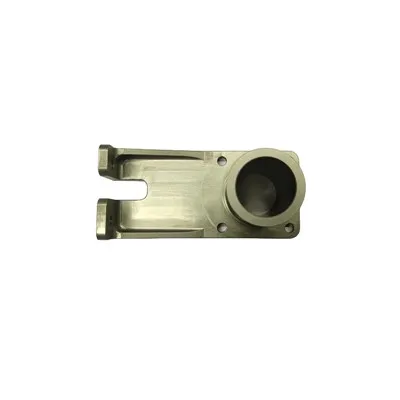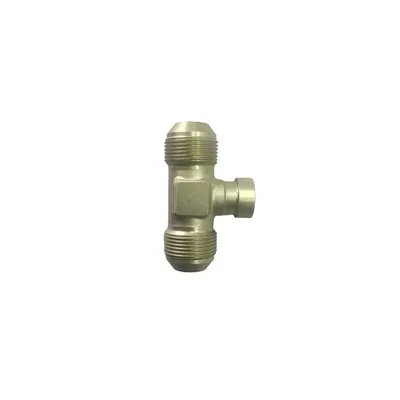

As a supplier of CNC machined parts, I've witnessed firsthand the critical role that impact resistance plays in the performance and reliability of these components. In this blog, I'll delve into what impact resistance is, why it matters for CNC machined parts, and how we ensure our products meet the highest standards in this regard.
Understanding Impact Resistance
Impact resistance refers to a material's ability to withstand the sudden application of force without undergoing significant deformation or failure. When a CNC machined part is subjected to an impact, such as a sudden shock or collision, its impact resistance determines whether it will break, crack, or simply absorb the energy and return to its original shape.
The impact resistance of a material is influenced by several factors, including its composition, microstructure, and manufacturing process. For example, materials with a high ductility, such as certain metals and polymers, tend to have better impact resistance because they can deform plastically under stress without fracturing. On the other hand, brittle materials, like ceramics and some high-strength steels, are more prone to cracking and breaking when subjected to impact.
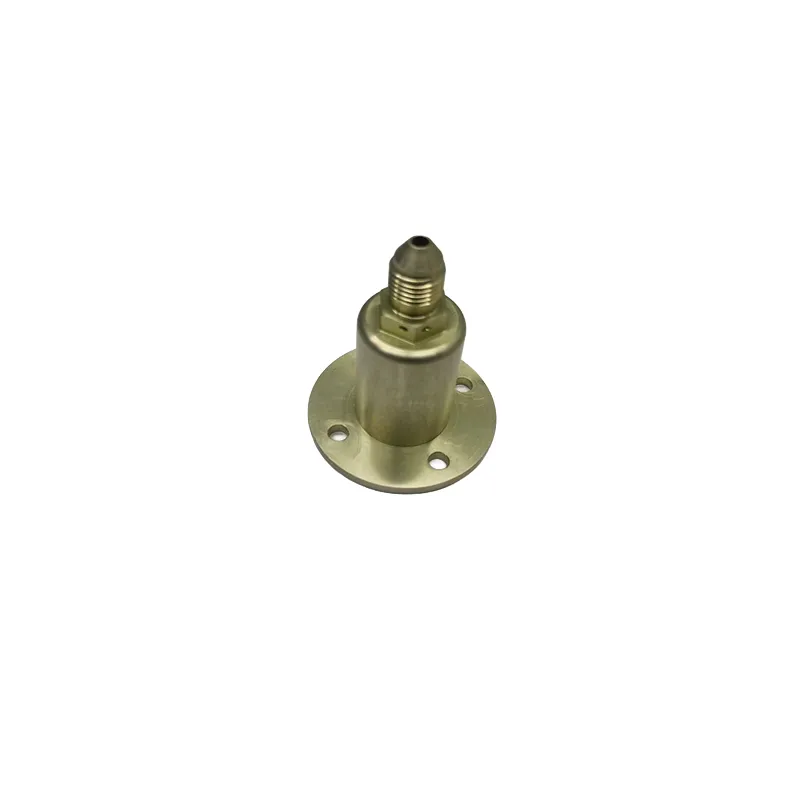
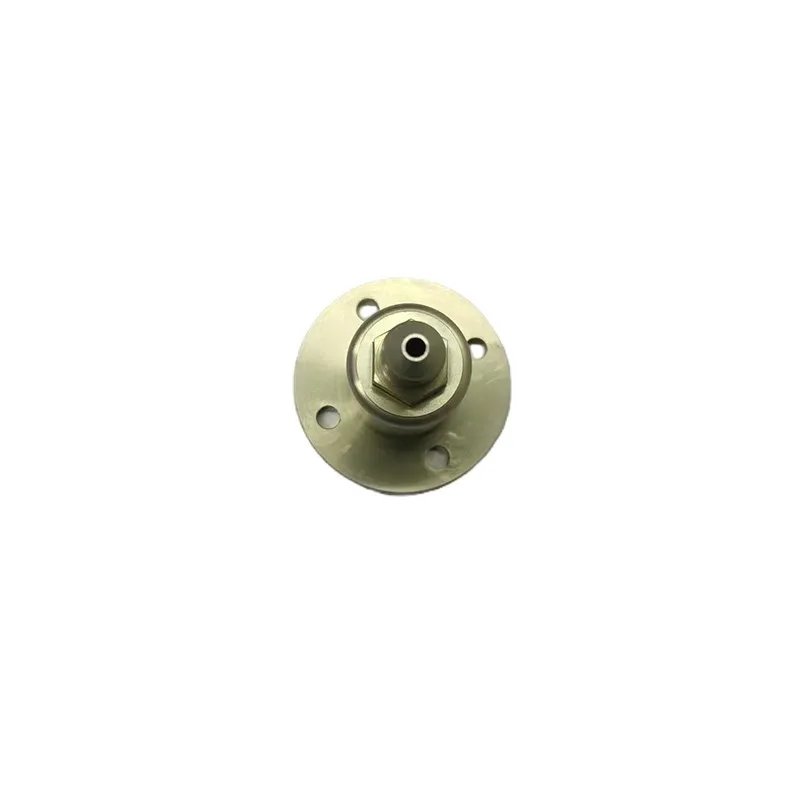
Why Impact Resistance Matters for CNC Machined Parts
In many applications, CNC machined parts are exposed to various types of impacts, ranging from minor vibrations to severe shocks. For instance, in the automotive industry, engine components, transmission parts, and suspension systems are constantly subjected to impacts from road irregularities, sudden stops, and collisions. In the aerospace industry, aircraft components must withstand the high forces generated during takeoff, landing, and flight maneuvers.
If a CNC machined part has poor impact resistance, it can lead to a number of problems, including premature failure, reduced performance, and safety hazards. For example, a cracked or broken part in a critical system can cause the entire system to malfunction, leading to costly repairs and downtime. In some cases, it can even pose a risk to human life.
Therefore, ensuring that CNC machined parts have adequate impact resistance is essential for their proper functioning and the overall reliability of the products they are used in.
Factors Affecting the Impact Resistance of CNC Machined Parts
Material Selection
The choice of material is one of the most important factors affecting the impact resistance of CNC machined parts. Different materials have different impact resistance properties, and selecting the right material for a specific application is crucial.
For example, if a part needs to withstand high-impact forces, a material with high ductility and toughness, such as aluminum or stainless steel, may be a good choice. On the other hand, if a part requires high strength and stiffness, a material like titanium or high-strength steel may be more suitable, but it may also have lower impact resistance.
Manufacturing Process
The manufacturing process used to produce CNC machined parts can also have a significant impact on their impact resistance. For example, processes that involve heat treatment, such as annealing, quenching, and tempering, can alter the microstructure of the material and improve its impact resistance.
In addition, the machining process itself can affect the surface finish and integrity of the part, which can in turn influence its impact resistance. For example, a rough surface finish can create stress concentration points, making the part more prone to cracking and failure under impact.
Design Considerations
The design of a CNC machined part can also play a role in its impact resistance. For example, parts with sharp corners or edges are more likely to experience stress concentration and cracking under impact, compared to parts with rounded or filleted edges.
In addition, the shape and size of the part can affect its ability to distribute the impact energy evenly. For example, a part with a large cross-sectional area may be able to absorb more impact energy than a part with a small cross-sectional area.
How We Ensure High Impact Resistance in Our CNC Machined Parts
As a supplier of CNC Machined Parts, we take several steps to ensure that our products have high impact resistance.
Material Selection
We carefully select the materials for our CNC machined parts based on the specific requirements of each application. We work closely with our customers to understand their needs and recommend the most suitable materials.
We source our materials from reputable suppliers and conduct rigorous quality control checks to ensure that they meet our high standards. We also perform material testing to verify the impact resistance properties of the materials before using them in production.
Manufacturing Process
We use state-of-the-art CNC machining equipment and advanced manufacturing techniques to produce our parts with high precision and quality. Our machining processes are carefully optimized to minimize stress concentration and improve the surface finish of the parts.
In addition, we offer a range of heat treatment options to enhance the impact resistance of our parts. Our heat treatment processes are carefully controlled to ensure that the parts achieve the desired mechanical properties.
Quality Control
We have a comprehensive quality control system in place to ensure that our CNC machined parts meet the highest standards of impact resistance. We perform a variety of tests, including impact testing, to verify the performance of our parts.
Our quality control team monitors every step of the manufacturing process, from material selection to final inspection, to ensure that the parts are free from defects and meet the specified requirements.
Examples of CNC Machined Parts with High Impact Resistance
Reducer Housing Processing
One of our popular products is Reducer Housing Processing. The reducer housing is an important component in many industrial applications, and it needs to have high impact resistance to withstand the forces generated by the reducer.
We use high-strength materials and advanced manufacturing techniques to produce our reducer housings with excellent impact resistance. Our reducer housings are designed to distribute the impact energy evenly and prevent cracking and failure under high loads.
Reducer Output Shaft Processing
Another example is Reducer Output Shaft Processing. The output shaft of a reducer is subjected to high torque and impact forces, and it needs to have high strength and impact resistance to ensure reliable operation.
We use high-quality materials and precision machining processes to produce our reducer output shafts with excellent impact resistance. Our output shafts are designed to withstand the high forces generated by the reducer and provide smooth and efficient power transmission.
Conclusion
Impact resistance is a critical property for CNC machined parts, especially in applications where they are exposed to high-impact forces. By understanding the factors that affect impact resistance and taking appropriate measures to ensure high impact resistance in our products, we can provide our customers with reliable and high-quality CNC machined parts.
If you are in need of CNC machined parts with high impact resistance, we would be happy to discuss your requirements and provide you with a customized solution. Contact us today to start the conversation and explore how our products can meet your needs.
References
- Callister, W. D., & Rethwisch, D. G. (2018). Materials Science and Engineering: An Introduction. Wiley.
- ASM Handbook Committee. (2005). ASM Handbook, Volume 8: Mechanical Testing and Evaluation. ASM International.