
Are Y junction pipe fittings easy to transport?
As a seasoned supplier of Y Junction Pipe Fitting, I've had my fair share of experiences with transporting these invaluable components. Y junction pipe fittings are an essential part of many piping systems, offering a way to split or combine the flow of liquids or gases. But the question that often comes up is whether they are easy to transport.
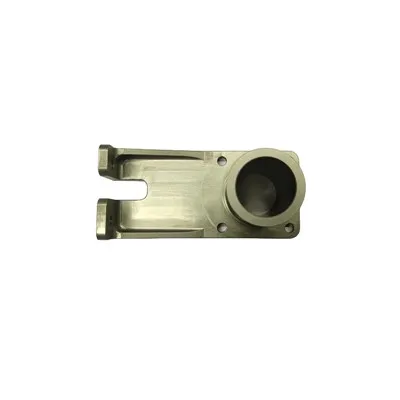
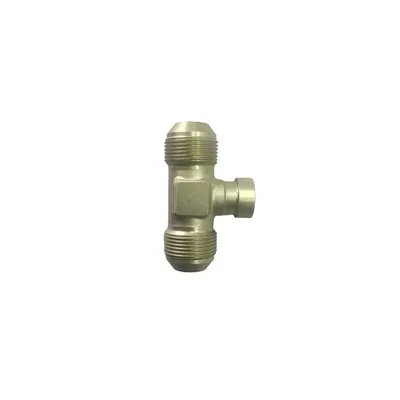
Let's start by looking at the physical characteristics of Y junction pipe fittings. These fittings are typically made from materials such as stainless steel, PVC, or copper. In terms of shape, they have a distinctive Y - shape, which can pose some unique challenges during transportation.
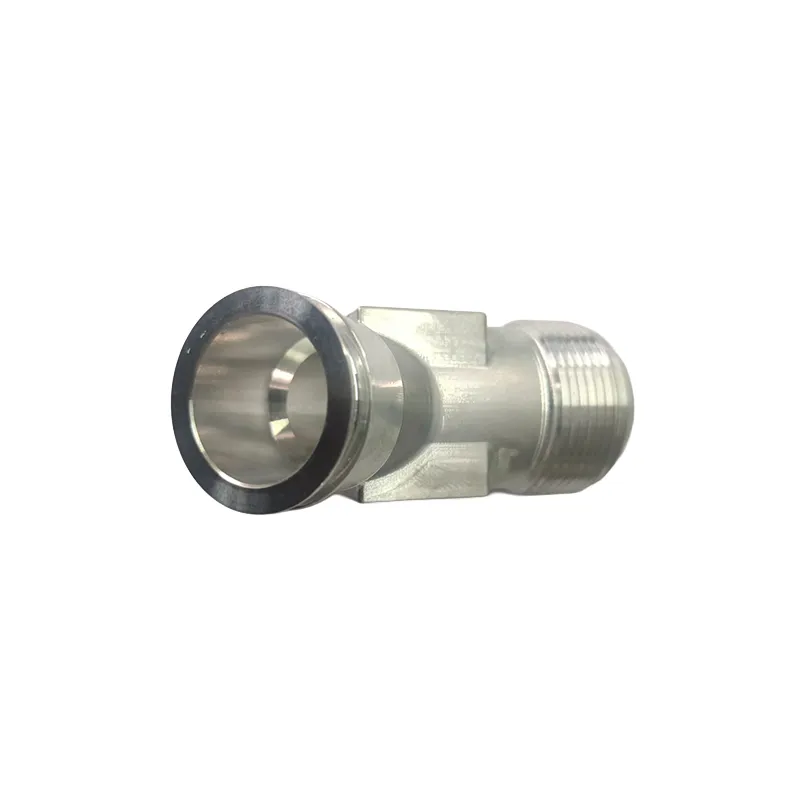
One of the main advantages of Y junction pipe fittings when it comes to transportation is their relatively compact size. Compared to long, straight pipes, Y junction fittings take up less space in a shipping container. They can be nested together in an efficient way, especially if they are of similar sizes. For example, if you have a set of small - sized Y junction pipe fittings made of PVC, you can stack them one inside the other, which significantly reduces the overall volume they occupy. This nesting ability allows for more fittings to be transported in a single shipment, thus increasing the cost - effectiveness of transportation.
However, the Y - shape of these fittings also has its drawbacks. The three arms of the Y can make it difficult to stack them neatly in some cases, especially when dealing with different sizes or non - standard shapes. This can lead to wasted space in the shipping container, which may increase the cost per unit of transportation. Additionally, the protruding arms of the Y junction can be easily damaged if not properly protected. During transit, there is a risk of the arms being bent or chipped, especially if there is a lot of movement or rough handling within the shipping container.
The material of the Y junction pipe fitting also plays a crucial role in its ease of transportation. Stainless steel Y junction fittings are relatively heavy compared to PVC ones. The weight can increase the shipping cost, as most shipping carriers charge based on both weight and volume. On the other hand, stainless steel is more durable and can withstand more rough handling during transportation. PVC, on the other hand, is lightweight, which is an advantage for transportation costs. But it is more prone to damage from impacts or extreme temperatures.
When it comes to packaging, proper packaging is essential for the safe transportation of Y junction pipe fittings. For smaller fittings, they can be placed in plastic bags and then packed into cardboard boxes. The boxes can be filled with cushioning materials such as foam peanuts or bubble wrap to protect the fittings from damage. For larger or heavier fittings, wooden crates are often used. The crates provide better protection and can be secured more firmly during transportation.
Another factor to consider is the destination of the shipment. International shipments may involve more complex regulations and customs procedures. For example, different countries may have different import requirements for pipe fittings, including quality standards, labeling, and documentation. This can add to the complexity of transporting Y junction pipe fittings, especially if the supplier is not well - versed in these international regulations.
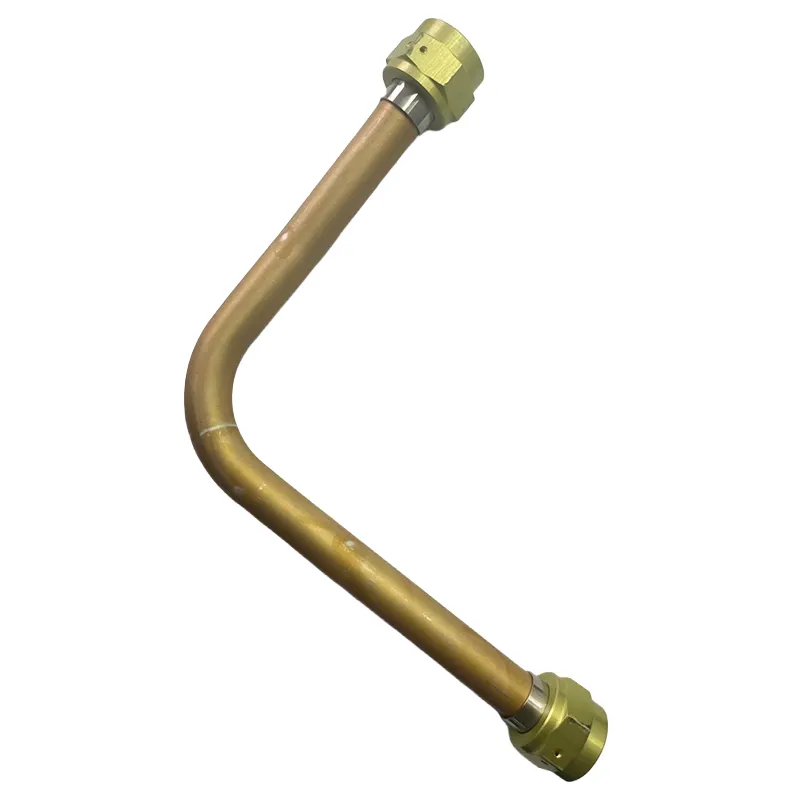
In comparison to other types of pipe fittings, such as Elbow Reducer Pipe and 90 Degree Structural Pipe Connector, Y junction pipe fittings have their own unique transportation challenges. Elbow reducer pipes are more streamlined in shape, which may make them easier to stack and transport. 90 - degree structural pipe connectors, while also having a distinct shape, may be more stable in certain stacking configurations compared to the Y - shaped fittings.
To ensure the smooth transportation of Y junction pipe fittings, it is important to work with experienced shipping partners. A good shipping company will have the knowledge and expertise to handle the specific requirements of these fittings. They can provide advice on packaging, routing, and customs clearance.
In conclusion, whether Y junction pipe fittings are easy to transport depends on several factors. Their compact size and nesting ability can be an advantage, but the Y - shape and material characteristics can also present challenges. With proper packaging, careful handling, and the right shipping partners, the transportation of Y junction pipe fittings can be managed effectively.
If you are in the market for high - quality Y junction pipe fittings and are interested in discussing your procurement needs, I invite you to reach out. I am here to provide you with the best products and solutions for your piping system requirements.
References
- General knowledge on pipe fitting transportation from industry experience.
- Industry reports on the transportation of various pipe fittings.