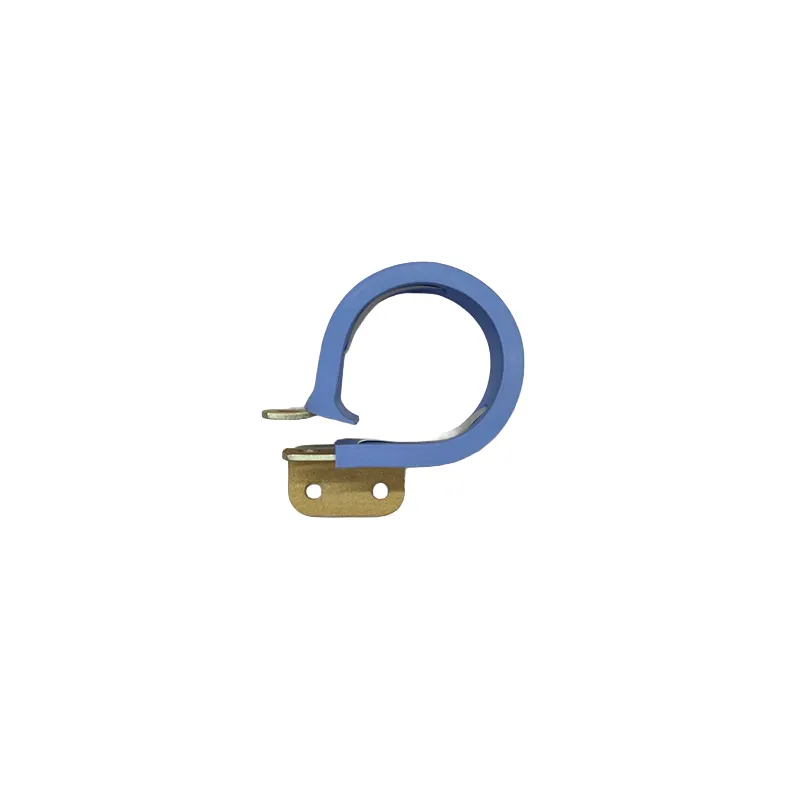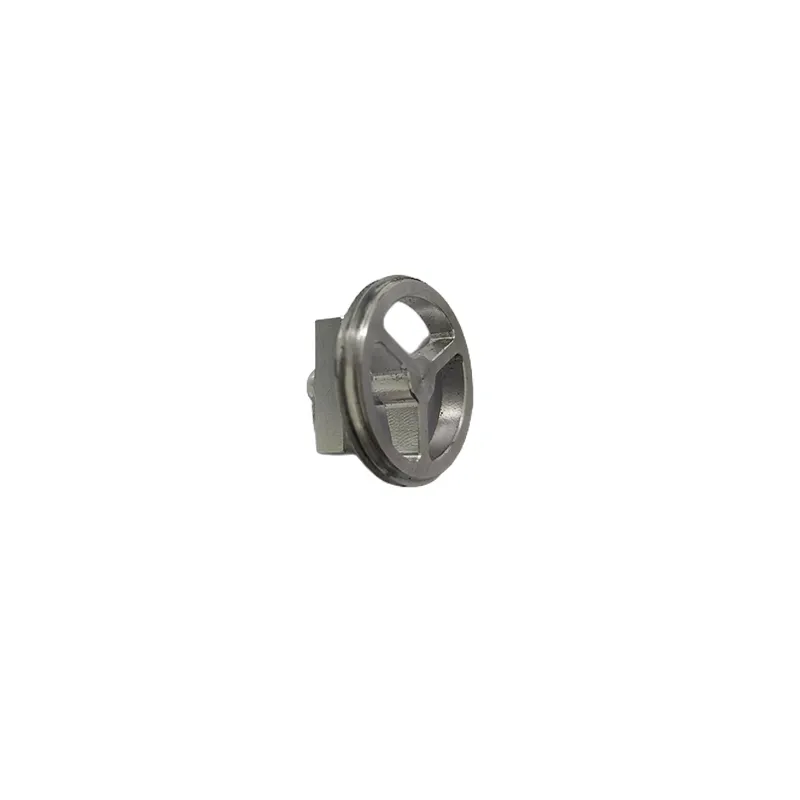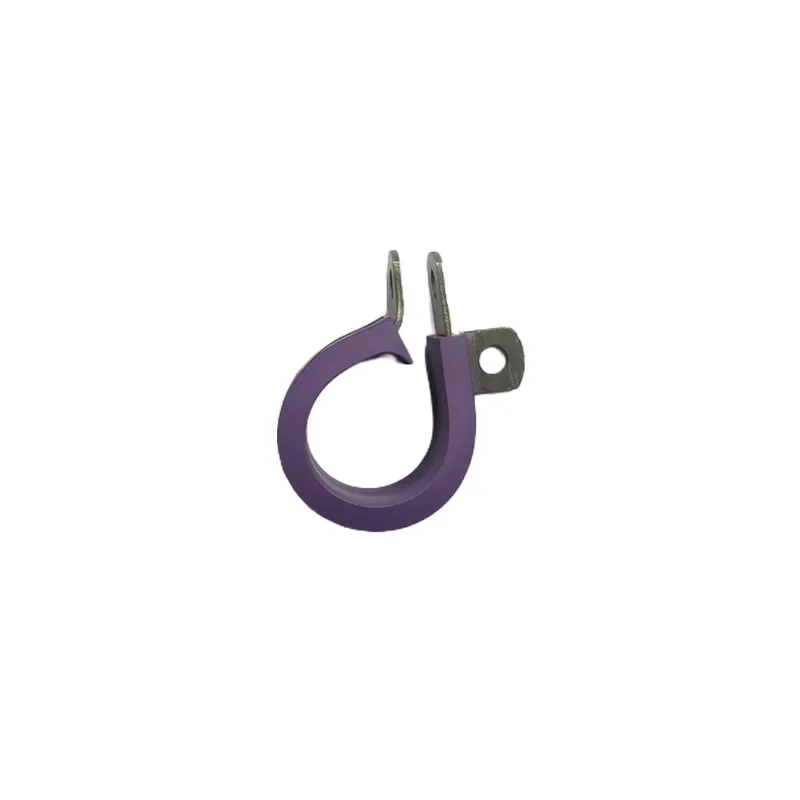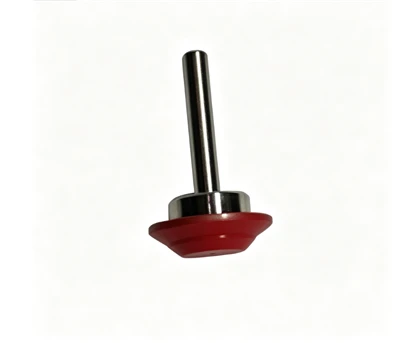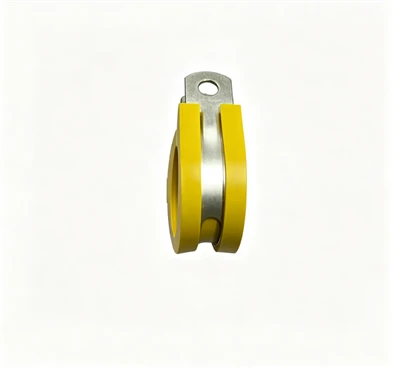
The seemingly simple structure of clamps conceals ingenious mechanical principles:
1. Circumferential Tightening Principle: Clamps apply uniform radial pressure, ensuring a balanced binding force on the fixed object. This uniform pressure distribution avoids localized stress concentration, protecting the fixed object from damage.
2. Friction Fixing Mechanism: The inner surface of the clamp is usually designed with anti-slip textures or rubber pads to increase friction with the surface of the fixed object. When external force is applied, friction resists displacement, achieving a stable connection.
3. Elastic Deformation Effect: High-quality clamp materials possess a certain degree of elasticity, automatically adjusting the tightening force to maintain connection reliability when the fixed object expands and contracts due to temperature changes.
4. Mechanical Self-Locking Characteristics: The threaded structure of worm gear clamps has a self-locking function. Once tightened properly, vibration and minor external forces will not cause loosening, ensuring safety for long-term use.