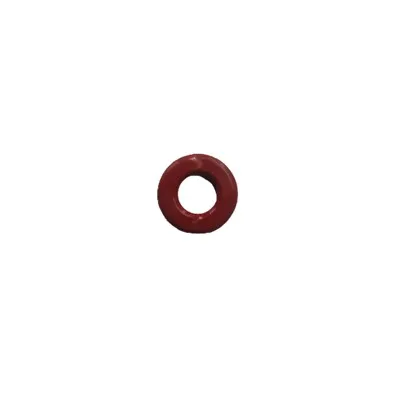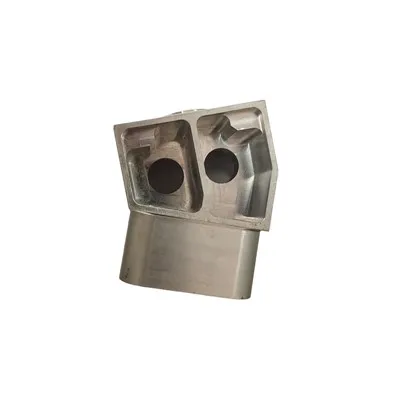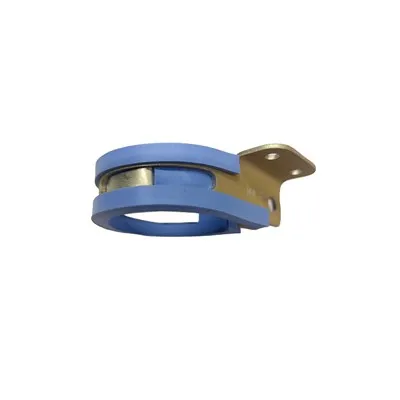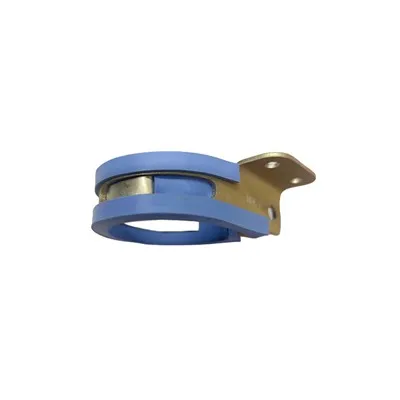

In the dynamic world of drone technology, the demand for high - quality Drone Assembly Parts has been on a continuous rise. As a supplier of these parts, I've witnessed firsthand the rapid evolution of the industry and the importance of understanding the regulations surrounding the use of certain types of drone assembly parts.
The Regulatory Landscape
The use of drones has expanded far beyond the realm of hobbyists. Today, drones are employed in various sectors such as agriculture, delivery services, and aerial photography. With this widespread use, governments around the world have recognized the need to regulate not only the operation of drones but also the components used in their assembly.
In the United States, the Federal Aviation Administration (FAA) has established a comprehensive set of rules for drones. While the FAA's primary focus is on the operation of drones in the national airspace, it also has implications for the parts used in their construction. For example, any part that affects the safety and performance of the drone, such as motors, propellers, and flight controllers, must meet certain standards. These standards ensure that the drones are reliable and do not pose a risk to other aircraft or people on the ground.
In Europe, the European Union Aviation Safety Agency (EASA) has introduced regulations that govern the design, production, and use of drones. EASA's regulations cover a wide range of aspects, including the certification of drone assembly parts. Manufacturers of drone parts must comply with these regulations to ensure that their products are safe and meet the required quality standards.
Specific Regulations for Different Types of Parts
Motors
Motors are one of the most critical components of a drone. They provide the thrust necessary for the drone to take off, hover, and maneuver. The FAA and EASA have specific requirements for drone motors. These include specifications for power output, efficiency, and reliability. For example, motors must be able to operate within a certain temperature range and have a minimum lifespan. Additionally, motors must be designed to prevent overheating and electrical failures, which could lead to a loss of control of the drone.
Propellers
Propellers are responsible for converting the motor's power into thrust. They must be designed and manufactured to ensure efficient and stable flight. Regulations for propellers often cover aspects such as material quality, design, and balance. For instance, propellers must be made of materials that can withstand the stresses of flight and should be properly balanced to prevent vibrations that could affect the drone's stability.
Flight Controllers
Flight controllers are the "brains" of the drone. They manage the drone's movements, stability, and navigation. Regulations for flight controllers typically require them to have reliable software and hardware. They must be able to accurately process sensor data and make adjustments to the drone's flight path. In addition, flight controllers should have built - in safety features, such as fail - safe mechanisms that can land the drone safely in case of a malfunction.
The Impact of Regulations on the Drone Assembly Parts Industry
As a supplier of Drone Assembly Parts, I understand the impact that regulations have on our business. On one hand, regulations ensure a high level of safety and quality in the industry. By complying with these regulations, we can provide our customers with parts that are reliable and safe to use.
On the other hand, regulations can also present challenges. The process of obtaining certifications for our parts can be time - consuming and expensive. We need to invest in research and development to ensure that our products meet the regulatory requirements. This includes conducting tests and inspections to verify the performance and safety of our parts.
However, we also see regulations as an opportunity. They help to create a level playing field in the market. By complying with regulations, we can differentiate ourselves from less - reputable suppliers. Customers are more likely to trust and purchase our parts because they know that they meet the necessary standards.
Staying Up - to - Date with Regulations
In the fast - paced world of drone technology, regulations are constantly evolving. As a supplier, it is crucial for us to stay up - to - date with the latest regulatory changes. We regularly monitor updates from regulatory agencies such as the FAA and EASA. We also participate in industry conferences and workshops to learn about the latest trends and best practices in the field.
In addition, we work closely with our customers to ensure that they are aware of the regulations that apply to the parts they are using. We provide them with detailed information about the compliance of our parts and offer support in understanding and meeting the regulatory requirements.
Conclusion
The regulations regarding the use of certain types of drone assembly parts are an essential part of the drone industry. They ensure the safety and reliability of drones, which is crucial for their widespread adoption. As a supplier of Drone Assembly Parts, we are committed to complying with these regulations and providing our customers with high - quality, compliant parts.
If you are in the market for drone assembly parts and are looking for a reliable supplier who understands the regulatory landscape, we would be more than happy to assist you. Our team of experts can help you choose the right parts for your specific needs and ensure that they meet all the necessary regulatory requirements. Contact us today to start the procurement process and take your drone projects to the next level.
References
- Federal Aviation Administration (FAA), United States.
- European Union Aviation Safety Agency (EASA).
- Industry reports on drone technology and regulations.