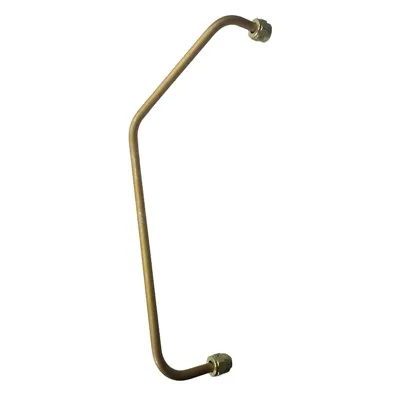

Hey there! As a supplier of Large Pipe Fittings, I often get asked about the weight of these hefty components. It's a crucial factor, especially when it comes to transportation, installation, and overall project planning. So, let's dive into what determines the weight of large pipe fittings and why it matters.
First off, what exactly are Large Pipe Fittings? Well, they're those big - sized connectors that help in joining pipes together in various industrial and construction projects. You can check out more about them on our Large Pipe Fittings page. These fittings come in different shapes and sizes, like elbows, tees, and reducers, and each has its own unique weight characteristics.
One of the main factors that influence the weight of large pipe fittings is the material they're made from. Common materials include steel, cast iron, and PVC. Steel is a popular choice because of its strength and durability. But it's also quite heavy. For example, a large steel elbow fitting can weigh anywhere from a few pounds to several hundred pounds, depending on its size and wall thickness. Cast iron is another heavy - duty option. It's known for its high - density and can add a significant amount of weight to a piping system. On the other hand, PVC is much lighter. It's a great choice for projects where weight is a concern, like in some residential or small - scale commercial applications.
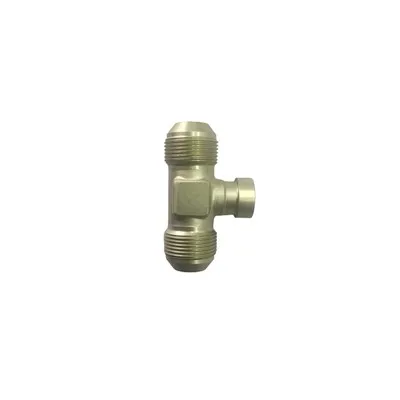
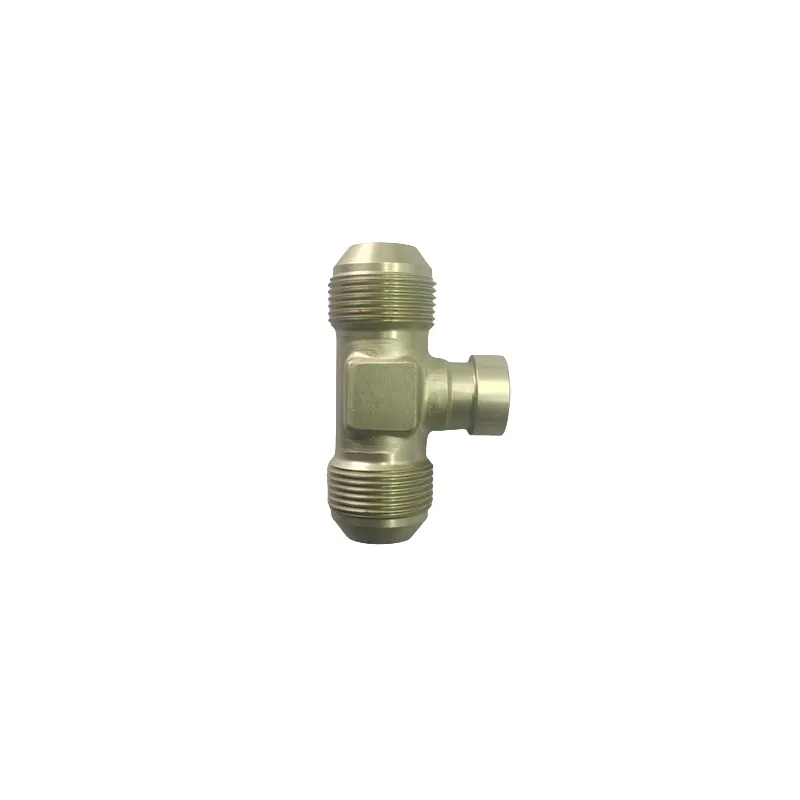
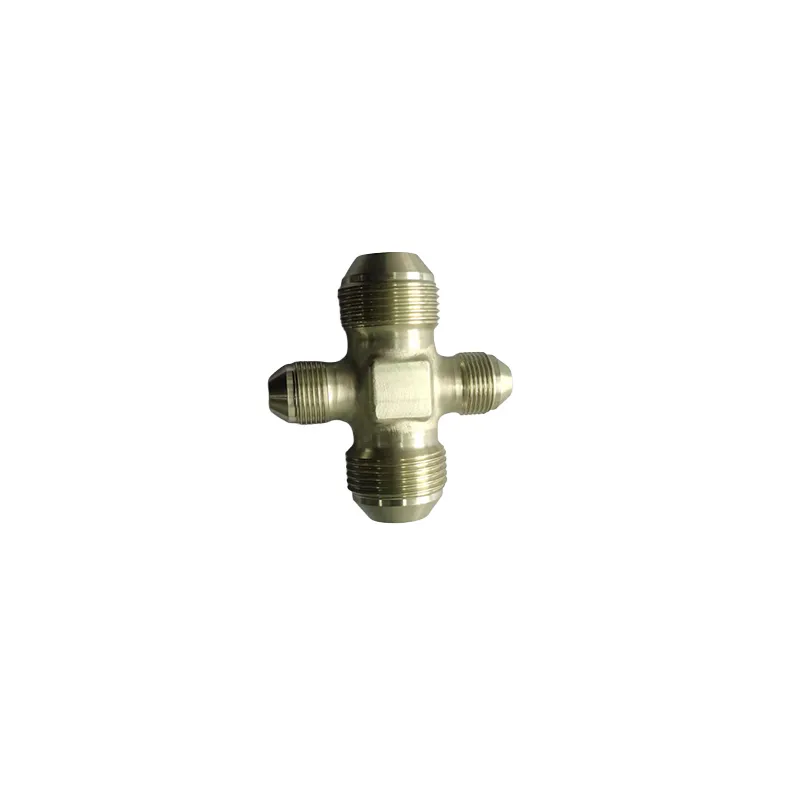
The size of the pipe fitting is also a major determinant of its weight. Larger diameter fittings naturally weigh more than smaller ones. A 3 Way Elbow Connector with a large diameter will have more material, and thus, more weight. Similarly, a 4 Way Elbow Pipe Fitting that's designed for large - scale industrial use will be heavier compared to a smaller version used in a home plumbing system.
Wall thickness is yet another factor. Thicker walls mean more material, which in turn means more weight. In high - pressure applications, thicker - walled pipe fittings are often required to withstand the pressure. These thick - walled fittings can be quite heavy, but they're essential for ensuring the safety and integrity of the piping system.
Now, why does the weight of large pipe fittings matter? Well, for starters, it affects transportation costs. Heavier fittings require more fuel to transport, and they may also need special handling equipment. If you're shipping a large number of heavy pipe fittings, the transportation expenses can quickly add up.
Installation is another area where weight plays a crucial role. Installing heavy pipe fittings requires more manpower and specialized equipment. You need cranes and other lifting devices to move and position these large components. This not only adds to the installation cost but also requires careful planning to ensure the safety of the workers.
When it comes to project design, the weight of the pipe fittings needs to be considered in the overall structural calculations. The building or structure that will house the piping system needs to be able to support the weight of the fittings. Otherwise, it could lead to structural issues down the line.
Let's take a closer look at some real - world examples. In an oil refinery project, large pipe fittings are used to transport various fluids. These fittings are often made of heavy - duty steel and have thick walls to withstand the high pressures and harsh chemicals. The weight of these fittings is a major consideration during the construction phase. The refinery's structural engineers need to ensure that the building can support the weight of the entire piping system.
In a water treatment plant, PVC pipe fittings are commonly used because of their lighter weight. This makes them easier to handle and install, and it also reduces the load on the plant's structure. However, even with PVC, the size and quantity of the fittings can still add up in terms of weight.
If you're in the market for large pipe fittings, it's important to have a clear understanding of the weight requirements for your project. You need to consider the transportation, installation, and structural implications. And that's where we come in. As a supplier of large pipe fittings, we can provide you with detailed information about the weight of our products. We can also help you choose the right fittings based on your specific needs.
Whether you're working on a large - scale industrial project or a small - scale residential job, we have a wide range of large pipe fittings to meet your requirements. Our team of experts is always ready to assist you with any questions you may have. So, if you're interested in purchasing large pipe fittings, don't hesitate to reach out to us for a quote and to discuss your project in more detail.
In conclusion, the weight of large pipe fittings is a complex topic that involves multiple factors such as material, size, and wall thickness. Understanding these factors is essential for proper project planning and execution. We're here to help you make the right choices and ensure the success of your piping project. So, get in touch with us today and let's start working together!
References
- General knowledge of pipe fitting industry standards and practices.
- Past project experiences with large pipe fitting installations.