
Hey there! I'm a supplier of Large Pipe Fittings, and today I wanna chat about the maintenance costs of these big guys. Large pipe fittings are crucial in various industries, from construction to manufacturing, and understanding their maintenance expenses is essential for anyone using or thinking about buying them.
The Basics of Large Pipe Fittings
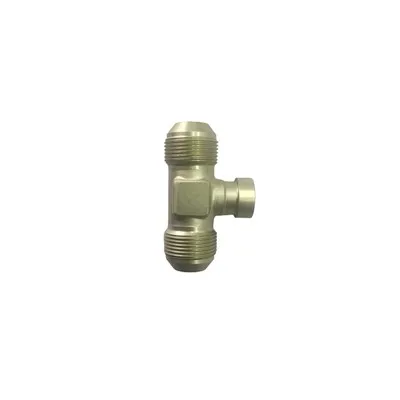
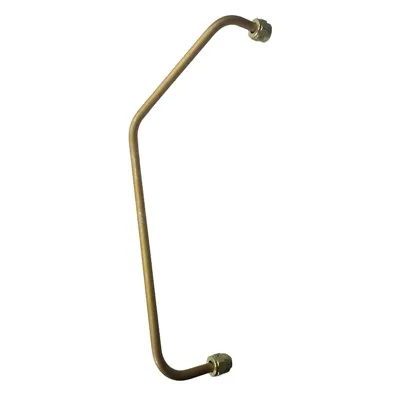
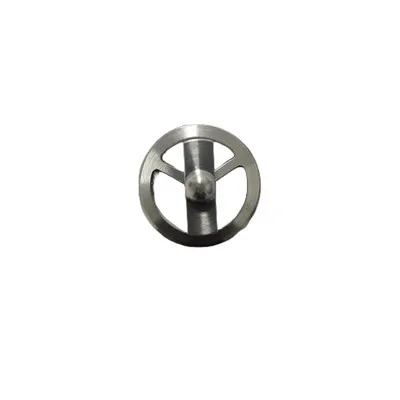
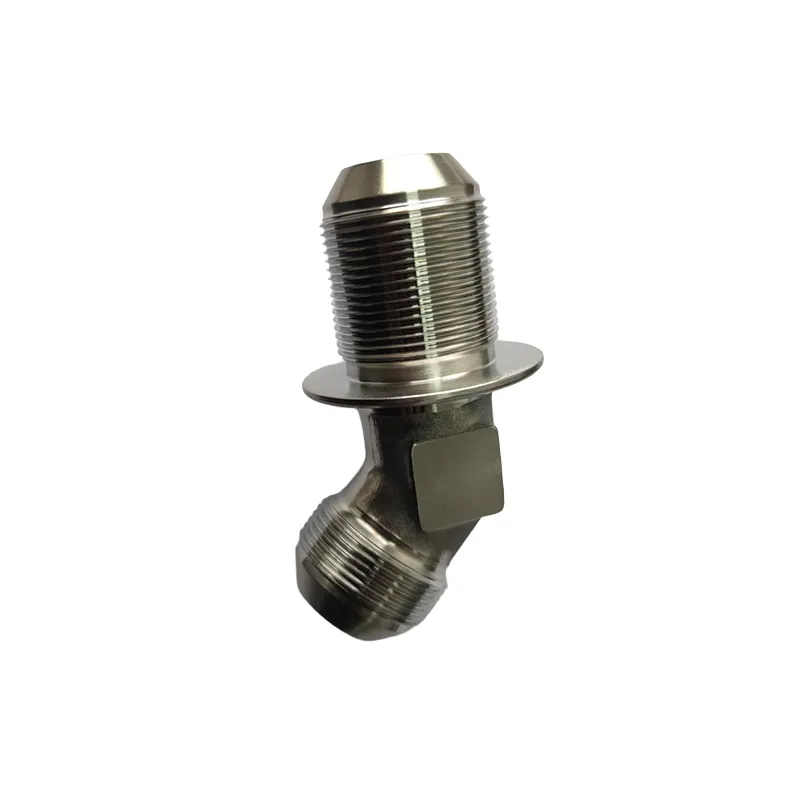
First off, we've got a wide range of large pipe fittings in our catalog. There's the 3 Way Elbow Connector, which is super handy for creating complex piping systems. It allows pipes to divert in three different directions, making it perfect for industrial setups where you need to reroute fluids or gases. Then there's the Tabel Elbow 45, which changes the direction of the pipe at a 45-degree angle. This is great for fitting pipes around obstacles or in spaces where a 90-degree turn might be too sharp.
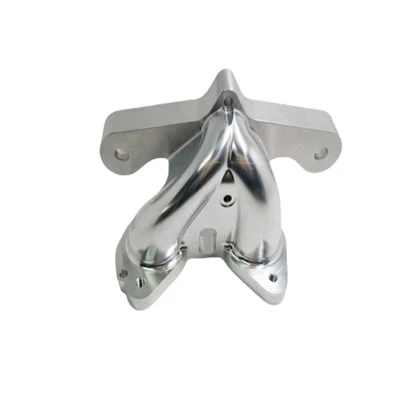
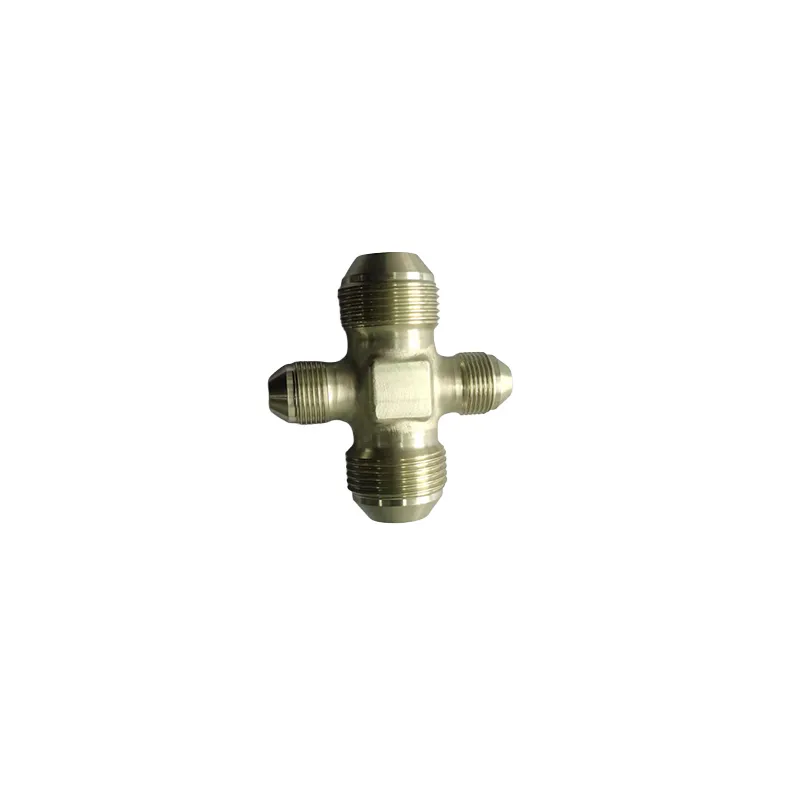
The 90 Degree Structural Pipe Connector is a classic. It's used in countless applications, from building frames to plumbing systems. And the 4 Way Elbow Pipe Fitting is a real game-changer when you need pipes to branch off in four different directions.
Factors Affecting Maintenance Costs
Material Quality
The material of the pipe fitting plays a huge role in maintenance costs. High-quality materials, like stainless steel or reinforced plastics, are more expensive upfront but usually cost less to maintain in the long run. They're more resistant to corrosion, rust, and wear and tear. For example, if you're using a large pipe fitting in a harsh chemical environment, a stainless-steel fitting will last much longer than a cheaper, lower-quality material. Cheaper materials may need to be replaced more often, which adds up in terms of cost and downtime.
Operating Conditions
The conditions under which the pipe fitting operates also impact maintenance costs. If the pipes are carrying high-pressure fluids or gases, they'll experience more stress and may require more frequent inspections and maintenance. Similarly, if the environment is extremely hot or cold, the material of the fitting may expand or contract, leading to leaks or other issues. For instance, in a refrigeration system, the low temperatures can cause some materials to become brittle over time, increasing the risk of cracks.
Installation Quality
Proper installation is key to reducing maintenance costs. If a pipe fitting is installed incorrectly, it can lead to all sorts of problems down the line. Leaks, misalignments, and excessive stress on the fitting can all occur if the installation isn't done right. For example, if a 90-degree elbow isn't installed at the correct angle, it can cause turbulence in the fluid flow, which can wear down the fitting faster. So, it's important to have experienced installers who know what they're doing.
Types of Maintenance Costs
Inspection Costs
Regular inspections are necessary to catch any potential problems early. This involves visual inspections, pressure tests, and sometimes even non-destructive testing methods like ultrasonic testing. The cost of inspections can vary depending on the size and complexity of the piping system. For large industrial plants with extensive piping networks, inspections can be a significant expense. However, spending a little on inspections now can save you a lot in the long run by preventing major breakdowns.
Repair Costs
When a problem is detected during an inspection, repairs need to be made. Repair costs can include the cost of replacement parts, labor, and any downtime associated with the repair. For example, if a leak is detected in a 3-way elbow connector, you'll need to replace the gasket or the entire fitting if it's damaged beyond repair. Labor costs can vary depending on the complexity of the repair and the location of the fitting. If the fitting is in a hard-to-reach area, it may take longer and cost more to repair.
Replacement Costs
Eventually, all pipe fittings will need to be replaced. The lifespan of a pipe fitting depends on various factors, including the material, operating conditions, and maintenance schedule. When it's time for replacement, you'll need to factor in the cost of the new fitting, as well as the labor and downtime associated with the replacement. For example, if you're replacing a large 4-way elbow pipe fitting in a manufacturing plant, you'll need to shut down the production line for a certain period, which can result in lost revenue.
Strategies to Reduce Maintenance Costs
Choose the Right Material
As mentioned earlier, choosing the right material for your pipe fittings can significantly reduce maintenance costs. Consider the operating conditions and the type of fluid or gas the pipes will be carrying. If you're in a corrosive environment, opt for corrosion-resistant materials. If you need high strength, choose a metal with good mechanical properties.
Follow a Regular Maintenance Schedule
Having a regular maintenance schedule is crucial. This includes inspections, cleaning, and lubrication (if necessary). By following a schedule, you can catch problems early and prevent them from becoming major issues. For example, if you clean your pipes regularly, you can prevent the buildup of debris, which can cause blockages and increase the stress on the fittings.
Train Your Staff
Make sure your staff is trained to operate and maintain the piping system properly. They should know how to detect signs of problems, such as leaks or unusual noises. Proper training can also reduce the risk of human error during installation and maintenance, which can save you a lot of money in the long run.
Why Choose Our Large Pipe Fittings
At our company, we offer high-quality Large Pipe Fittings that are designed to reduce maintenance costs. Our fittings are made from the best materials, ensuring long-lasting performance and reliability. We also provide detailed installation and maintenance instructions to help you get the most out of your pipe fittings.
Whether you need a 3 Way Elbow Connector, a Tabel Elbow 45, a 90 Degree Structural Pipe Connector, or a 4 Way Elbow Pipe Fitting, we've got you covered. Our team of experts is always ready to answer your questions and help you choose the right fitting for your needs.
If you're interested in learning more about our products or getting a quote, don't hesitate to reach out. We're here to make your piping system more efficient and cost-effective. Contact us today to start a conversation about your large pipe fitting needs.
References
- "Pipe Fitting Handbook" by Dan Helmer
- "Industrial Piping Systems: Design, Construction, and Maintenance" by Barry A. Lehr