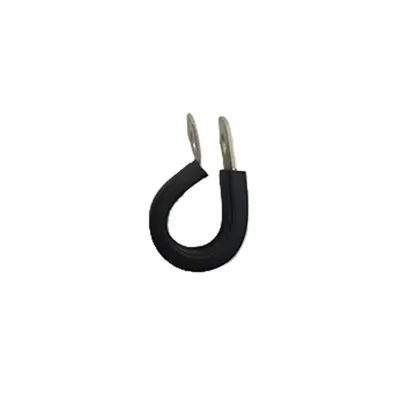

Are rubber strap clamps suitable for industrial applications? This is a question that often arises when considering the appropriate fastening solutions for various industrial needs. As a leading supplier of Rubber Strap Clamp, I'm here to delve into this topic and provide you with a comprehensive analysis.
Understanding Rubber Strap Clamps
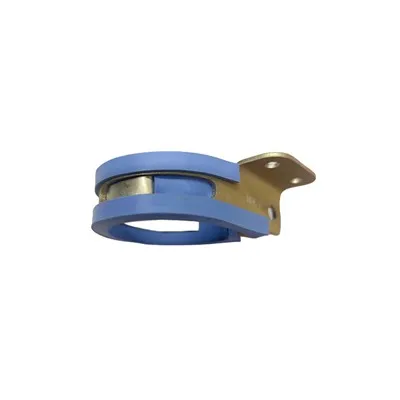
Before discussing their suitability for industrial applications, let's first understand what rubber strap clamps are. Rubber strap clamps are flexible fastening devices made primarily of rubber. They consist of a rubber strap that can be wrapped around an object and secured to hold things together. The rubber material gives these clamps their unique properties, such as flexibility, durability, and resistance to various environmental factors.
Advantages of Rubber Strap Clamps in Industrial Applications
1. Flexibility and Adaptability
One of the primary advantages of rubber strap clamps is their flexibility. They can conform to irregular shapes and sizes, making them suitable for a wide range of industrial uses. For example, in the automotive industry, they can be used to secure hoses of different diameters and shapes. This adaptability reduces the need for multiple types of clamps, streamlining the assembly process and potentially lowering costs.
2. Vibration Dampening
Industrial environments often involve machinery that generates vibrations. Rubber strap clamps can effectively dampen these vibrations, protecting the connected components from damage caused by excessive shaking. This is particularly important in applications where precision is crucial, such as in electronic equipment manufacturing or the aerospace industry. By reducing vibrations, these clamps contribute to the overall stability and longevity of the equipment.
3. Chemical and Weather Resistance
Rubber can be formulated to resist a variety of chemicals, oils, and environmental factors. This makes rubber strap clamps suitable for use in harsh industrial environments, such as chemical plants or outdoor construction sites. They can withstand exposure to moisture, UV rays, and corrosive substances without degrading quickly, ensuring a reliable and long - lasting fastening solution.
4. Ease of Installation
Compared to some traditional fastening methods, rubber strap clamps are relatively easy to install. They do not require specialized tools in most cases, which can save time and labor costs during the installation process. Workers can quickly wrap the clamp around the object and secure it, increasing the efficiency of the assembly line.
Applications in Different Industries
1. Automotive Industry
In the automotive industry, rubber strap clamps are widely used. They are used to secure hoses, cables, and other components. For example, they can be used to hold coolant hoses in place, preventing leaks and ensuring proper engine cooling. The flexibility of the rubber allows for easy installation in tight spaces, and the vibration - dampening properties help to maintain the integrity of the connections over time.
2. Plumbing Industry
In plumbing, rubber strap clamps are used to connect pipes and fittings. They provide a tight seal, preventing leaks and ensuring the proper flow of water or other fluids. Their resistance to water and chemicals makes them a reliable choice for both residential and commercial plumbing systems.
3. Electrical Industry
In the electrical industry, these clamps are used to secure electrical cables and wires. They help to organize the wiring and prevent them from coming loose due to vibrations or movement. The insulation properties of rubber also provide an additional layer of safety, reducing the risk of electrical short - circuits.
4. Manufacturing Industry
In general manufacturing, rubber strap clamps can be used in various assembly processes. They can hold parts together during welding, painting, or other manufacturing operations. Their ease of use and adaptability make them a versatile tool in the manufacturing environment.
Limitations of Rubber Strap Clamps in Industrial Applications
1. Temperature Limitations
While rubber can be formulated to withstand a certain temperature range, extreme temperatures can still affect its performance. In very high - temperature environments, the rubber may soften and lose its clamping force. Conversely, in extremely cold temperatures, the rubber may become brittle and crack. Therefore, in industries where temperature fluctuations are significant, such as in some metal - processing or cryogenic applications, alternative fastening solutions may be required.
2. Limited Clamping Force
Compared to some metal clamps, rubber strap clamps may have a limited clamping force. In applications where a very high clamping force is required, such as in heavy - duty machinery or high - pressure piping systems, rubber strap clamps may not be sufficient. In these cases, other types of clamps, such as bolted clamps or spring - loaded clamps, may be more appropriate.
Complementary Products
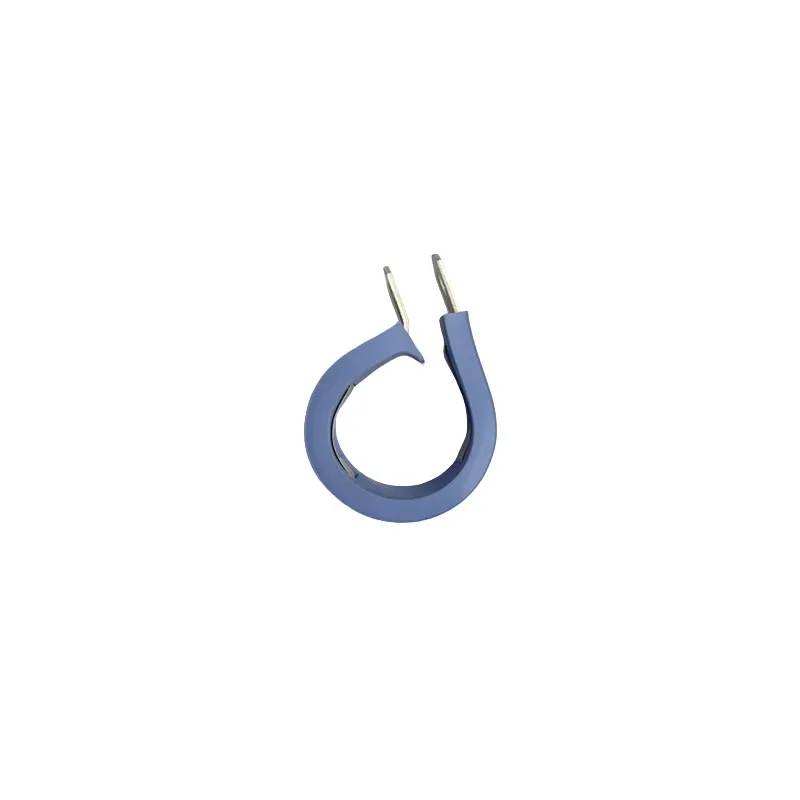
When considering rubber strap clamps for industrial applications, it's also worth mentioning some complementary products that we offer. Our Rubber Cord Seal can be used in conjunction with rubber strap clamps to provide additional sealing capabilities. These seals are designed to prevent the ingress of dust, moisture, and other contaminants, enhancing the overall performance of the assembly.
Our Rubber Gland Seal is another useful product. It can be used to seal rotating shafts or cables, providing a reliable barrier against leakage. In combination with rubber strap clamps, these seals can improve the efficiency and reliability of various industrial systems.
For smaller applications, our Small Rubber Clamps are available. They are perfect for securing small hoses, wires, or components where a smaller and more delicate clamping solution is needed.
The Unitized Seal is also a great addition. It combines multiple sealing functions into a single unit, providing a comprehensive sealing solution. When used with rubber strap clamps, it can further enhance the sealing performance of the industrial assembly.
Conclusion
In conclusion, rubber strap clamps offer a range of advantages that make them suitable for many industrial applications. Their flexibility, vibration - dampening properties, chemical resistance, and ease of installation make them a popular choice in various industries, including automotive, plumbing, electrical, and manufacturing. However, they also have some limitations, such as temperature limitations and limited clamping force, which need to be considered when selecting the appropriate fastening solution.
If you are looking for high - quality rubber strap clamps for your industrial applications, or would like to learn more about our complementary products such as Rubber Cord Seal, Rubber Gland Seal, Small Rubber Clamps, and Unitized Seal, please feel free to contact us for a detailed discussion. We are committed to providing you with the best solutions to meet your specific needs.
References
- "Industrial Fastening Handbook", McGraw - Hill
- "Rubber Materials and Their Applications in Industry", Elsevier