
Hey there! As a supplier of rubber gland seals, I've seen firsthand how various factors can impact their performance. In this blog, I'll break down these factors to help you understand what goes into making a high - performing rubber gland seal.
1. Material Selection
The type of rubber material used in a gland seal is crucial. Different rubber compounds have distinct properties that can affect the seal's performance. For example, Nitrile rubber (NBR) is known for its excellent resistance to oil and fuel. It's a popular choice in automotive and industrial applications where contact with lubricants is common. If you're dealing with an environment where there's a lot of oil around, like an engine compartment, an NBR gland seal would be a great option.
On the other hand, Silicone rubber is heat - resistant and has good flexibility at low temperatures. It's often used in applications where temperature variations are significant, such as in aerospace or food processing industries. If your operation involves high - heat processes or extreme cold, a silicone rubber gland seal might be the way to go.
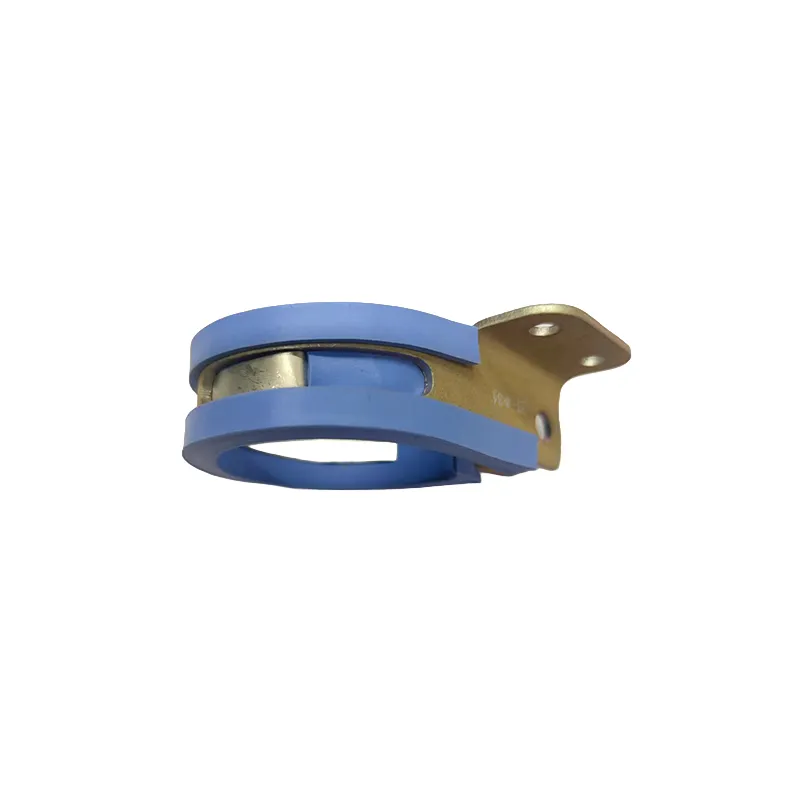
Fluoroelastomers, like Viton, offer exceptional chemical resistance. They can withstand harsh chemicals and solvents, making them ideal for chemical processing plants and laboratories. When you're looking for a seal that can handle aggressive substances, a fluoroelastomer gland seal is a reliable choice. You can find a wide range of rubber parts, including Unitized Seal, which are made from different materials to suit various needs.
2. Temperature
Temperature plays a huge role in the performance of a rubber gland seal. Rubber is sensitive to temperature changes. At high temperatures, rubber can start to degrade. It may lose its elasticity, become brittle, and develop cracks. This can lead to leaks and a significant reduction in the seal's effectiveness.
For instance, in a manufacturing plant with high - temperature machinery, if the gland seal is not designed to withstand the heat, it will fail prematurely. On the flip side, at low temperatures, rubber can become stiff and lose its ability to conform to the sealing surface. This can also result in leaks.
When choosing a rubber gland seal, it's essential to consider the operating temperature range. Make sure the seal material is rated for the specific temperatures your application will encounter. Some seals are designed for a wide temperature range, while others are more specialized for either high or low - temperature environments.
3. Pressure
The pressure within the system where the rubber gland seal is installed is another critical factor. High pressure can put a lot of stress on the seal. If the seal is not strong enough, it can be squeezed out of its position or damaged. For example, in a hydraulic system, the pressure can be quite high. A gland seal that is not designed to handle this pressure will fail, causing fluid leaks and potentially damaging the entire system.
There are different types of gland seals available that are designed to handle various pressure levels. Some are suitable for low - pressure applications, like in a household plumbing system, while others are built for high - pressure industrial applications. It's important to accurately assess the pressure in your system and choose a seal that can withstand it.
4. Surface Finish
The surface finish of the mating parts where the rubber gland seal is installed can have a big impact on its performance. A rough surface can damage the rubber seal. It can cause abrasions, cuts, or tears in the seal, which will lead to leaks. On the other hand, a smooth surface allows the seal to form a better, more consistent seal.
When installing a rubber gland seal, it's important to ensure that the mating surfaces are properly finished. This may involve machining or polishing the surfaces to the appropriate smoothness. If the surfaces are too rough, it's a good idea to use a sealant or a lubricant to help the seal conform to the surface and reduce the risk of damage.
5. Fluid Compatibility
The fluid that the rubber gland seal comes into contact with is also a significant factor. Different fluids can react with the rubber material in different ways. For example, some fluids may cause the rubber to swell, while others may cause it to shrink or become brittle.
If the fluid is incompatible with the rubber seal, it can lead to a breakdown of the seal over time. In a chemical processing plant, where different chemicals are used, it's crucial to choose a rubber gland seal that is compatible with the specific chemicals in the system. You need to know the chemical composition of the fluid and select a seal material that can resist its effects.
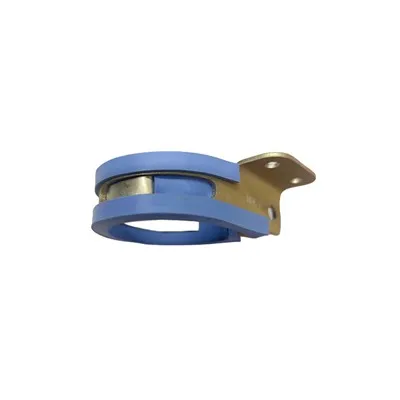
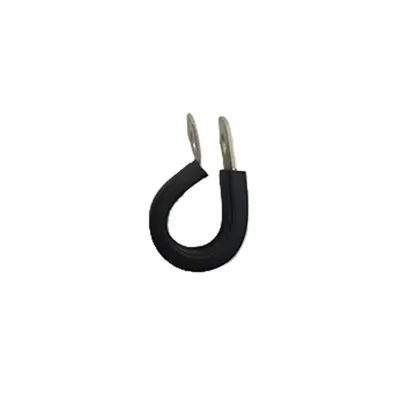
You can find a variety of rubber clamps and seals that are designed to be compatible with different fluids. For example, Rubber Cushioned Cable Clamp and Rubber Strap Clamp are made from materials that can handle different types of fluids in various applications.
6. Installation
Proper installation is key to the performance of a rubber gland seal. If the seal is not installed correctly, it can lead to leaks and premature failure. During installation, it's important to follow the manufacturer's instructions carefully. This may include using the right tools, applying the correct amount of force, and ensuring that the seal is properly seated.
For example, if a gland seal is installed too tightly, it can cause excessive stress on the rubber, leading to damage. On the other hand, if it's installed too loosely, it won't form a proper seal. Additionally, it's important to clean the mating surfaces before installation to remove any dirt, debris, or contaminants that could affect the seal's performance.
7. Wear and Tear
Over time, rubber gland seals will experience wear and tear. The constant movement, friction, and exposure to different environments can cause the seal to degrade. In a moving machine, the seal may rub against other parts, causing abrasion. This can gradually reduce the thickness of the seal and compromise its ability to seal effectively.
Regular inspection and maintenance are essential to detect wear and tear early. If a seal shows signs of damage, it should be replaced promptly to prevent leaks and system failures. You can also use protective measures, such as coatings or lubricants, to reduce wear and extend the lifespan of the seal.
8. Design
The design of the rubber gland seal itself can affect its performance. A well - designed seal will have the right shape and dimensions to fit the application properly. It will also be able to withstand the forces and conditions it will encounter.
For example, some seals are designed with special features, such as lip seals or O - rings, to improve their sealing ability. The shape of the seal can also affect how it distributes pressure and conforms to the mating surface. When choosing a seal, it's important to consider the design and how it will work in your specific application.
Conclusion
As you can see, there are many factors that can affect the performance of a rubber gland seal. From material selection and temperature to installation and wear and tear, each factor plays a crucial role. By understanding these factors, you can make an informed decision when choosing a rubber gland seal for your application.
If you're in the market for high - quality rubber gland seals, Small Rubber Clamps and Rubber Cushion Clamps are just some of the options we offer. We're here to help you find the right seal for your needs. If you have any questions or want to discuss your requirements, don't hesitate to reach out. We're always happy to have a chat and help you with your procurement needs.
References
- "Rubber Seals Handbook" by John W. Dally
- "Sealing Technology for Fluid Power Systems" by David A. Burton
- Various industry research papers on rubber materials and seal performance.