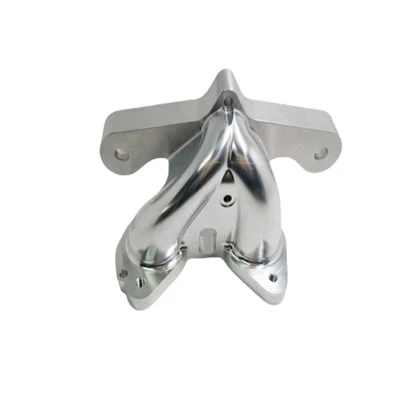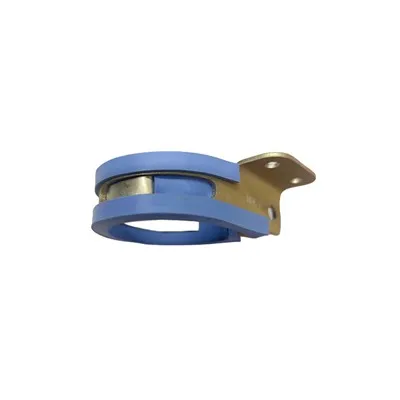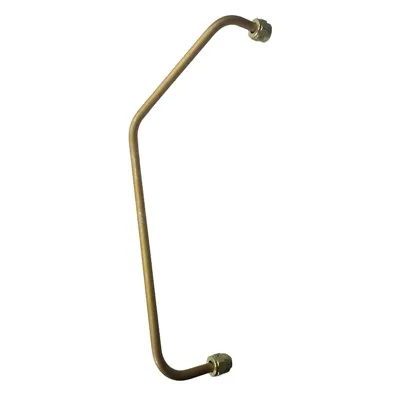

As a seasoned supplier of CNC machined parts, the question of the minimum size of CNC machined parts is one that I encounter quite frequently. It's a topic that combines both the technical intricacies of the CNC machining process and the practical limitations imposed by various factors. In this blog post, I'll delve into the key factors that determine the minimum size of CNC machined parts, share some real - world insights from our experience, and touch on the implications of these limitations for different industries.
Understanding the CNC Machining Process
Before we discuss the minimum size, it's essential to have a basic understanding of how CNC machining works. CNC, or Computer Numerical Control, machining is a manufacturing process in which pre - programmed computer software dictates the movement of factory tools and machinery. This process allows for highly accurate and repetitive production of parts, making it a popular choice across a wide range of industries, from aerospace to automotive, electronics to medical devices.
Factors Affecting the Minimum Size of CNC Machined Parts
1. Tool Limitations
One of the most significant factors influencing the minimum size of CNC machined parts is the tooling used in the process. Cutting tools come in various sizes, and the smallest available tool diameter will set a lower bound on the features that can be machined. For example, end mills, which are commonly used in CNC milling operations, typically have diameters that start from around 0.002 inches (0.05 mm). If you need to machine a very small hole or a thin slot, you'll be restricted by the size of the drill bit or end mill that can fit into that space and perform the necessary cutting operation.
As the tool size decreases, the challenges associated with tool wear, breakage, and deflection also increase. Smaller tools are more delicate and can easily break under high cutting forces. This means that not only is there a physical limit to how small the tool can be, but there are also practical limitations based on the durability and reliability of the tool during the machining process.
2. Machine Precision
The precision of the CNC machine itself is another crucial factor. A high - precision CNC machine can hold tight tolerances and produce very small and accurate parts. Modern CNC machines can achieve positioning accuracies in the range of a few micrometers. However, as the size of the part decreases, even the slightest error in the machine's movement can have a relatively large impact on the part's dimensions.
Factors such as the quality of the machine's linear guides, ball screws, and the control system all contribute to its overall precision. For extremely small parts, any inconsistencies in the machine's motion can lead to significant dimensional errors, rendering the part unusable. Therefore, the machine's precision sets a practical limit on how small a part can be while still meeting the required quality standards.
3. Material Properties
The type of material being machined also plays a role in determining the minimum size of CNC machined parts. Harder materials, such as stainless steel or titanium, are more difficult to machine compared to softer materials like aluminum or brass. When machining small features in hard materials, the cutting forces are higher, which can cause increased tool wear and may even lead to part deformation.
On the other hand, softer materials are generally easier to machine, but they may have issues with burr formation and surface finish. For example, when machining very small pockets or holes in aluminum, the tool can push the material around, creating burrs that are difficult to remove. This means that the choice of material can affect both the minimum size of the part and the quality of the machined features.
Real - World Examples and Industry Applications
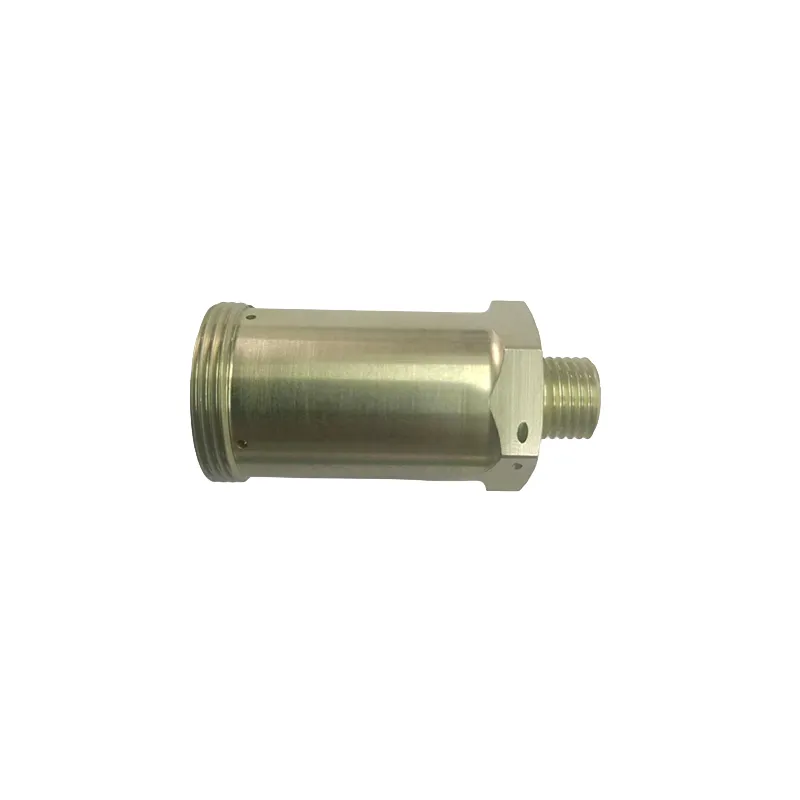
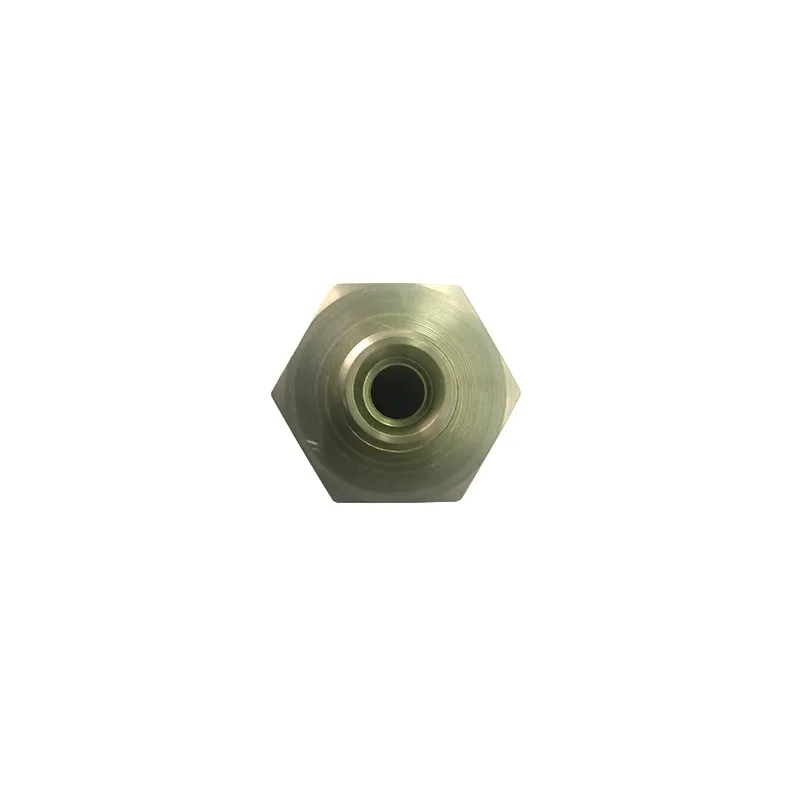
In our experience as a CNC machined parts supplier, we've worked on a variety of projects with different size requirements. For the electronics industry, we often produce tiny components such as connectors and micro - brackets. These parts can be as small as a few millimeters in length, width, and height. The demand for miniaturization in electronics has driven the need for precise and small - sized CNC machined parts.
In the medical device industry, we've manufactured components for surgical instruments and implantable devices. These parts require extremely high precision and often have very small dimensions. For example, some parts used in minimally invasive surgical procedures need to be machined to very strict tolerances due to the delicate nature of the operations they are involved in.
Industry - Specific Applications and Our Offerings
Let's take a look at some specific industry applications and the relevant services we offer that are tailored to meet the diverse needs of different sectors.
CNC Machining Of Die Castings
In the automotive and aerospace industries, die - cast components often require additional machining to achieve the desired precision and surface finish. Our CNC Machining Of Die Castings service is designed to handle these complex parts. We can machine die - cast parts to tight tolerances, ensuring that they meet the high - quality standards required by these industries. Whether it's a small die - cast bracket for an aircraft engine or a larger component for an automotive transmission, our CNC machining capabilities can handle the job.
Aluminum Alloy Non - standard Parts
Aluminum alloys are widely used in various industries due to their lightweight, high strength - to - weight ratio, and good corrosion resistance. Our Aluminum Alloy Non - standard Parts service caters to the demand for custom - made aluminum parts. From small aluminum housings for electronic devices to specialized components for industrial machinery, we can produce non - standard aluminum parts with the precision and quality that our customers expect.
Speed Reducer Shell Machining
Speed reducers are essential components in many mechanical systems, and the quality of the speed reducer shell can significantly affect the performance of the whole system. Our Speed Reducer Shell Machining service focuses on producing high - quality shells that meet the strict requirements of different applications. We use advanced CNC machining techniques to ensure that the speed reducer shells have accurate dimensions, smooth surfaces, and excellent mechanical properties.
Valve Body CNC Machining
Valve bodies are critical parts in fluid control systems, and they require precise machining to ensure proper functioning. Our Valve Body CNC Machining service is dedicated to producing valve bodies with high precision and quality. Whether it's a small valve body for a domestic plumbing system or a large - scale valve body for an industrial process, we have the expertise to machine it to the required specifications.
Reducer Output Shaft Processing
Reducer output shafts play a vital role in power transmission systems, and their machining quality is directly related to the efficiency and reliability of the entire system. Our Reducer Output Shaft Processing service emphasizes the production of high - precision reducer output shafts. We use state - of - the - art CNC machining equipment to ensure that the shafts have accurate diameters, surface finishes, and keyways, meeting the demanding requirements of different industries.
Implications of Minimum Size Limitations
The minimum size limitations of CNC machined parts have several implications for product design and manufacturing. Designers need to be aware of these limitations when creating new products. If a design calls for features that are smaller than what can be realistically machined, it may need to be revised. This can add time and cost to the product development process.
For manufacturers, these limitations mean that they need to invest in high - precision machines and the latest cutting tools to be able to produce smaller parts. They also need to have experienced operators who can handle the challenges associated with machining small parts, such as tool selection, programming, and quality control.
Conclusion and Invitation to Contact
In conclusion, the minimum size of CNC machined parts is determined by a combination of tool limitations, machine precision, and material properties. While modern technology has enabled us to machine increasingly smaller parts, there are still practical limits that we need to work within.
As a leading supplier of CNC machined parts, we have the expertise, experience, and state - of - the - art equipment to handle a wide range of part sizes and complexities. Whether you're in the electronics, medical, automotive, or any other industry, we can provide you with high - quality CNC machined parts that meet your specific requirements.
If you're interested in our products and services, we invite you to contact us for procurement discussions. We're committed to providing you with the best solutions and the highest level of service.
References
- "CNC Machining Technology Handbook", published by a well - known mechanical engineering publishing house, which provides in - depth knowledge on CNC machining processes, tooling, and machine precision.
- Industry research reports on the development trends of CNC machining in different sectors such as electronics, medical, and automotive, which offer insights into the demand for small - sized CNC machined parts.