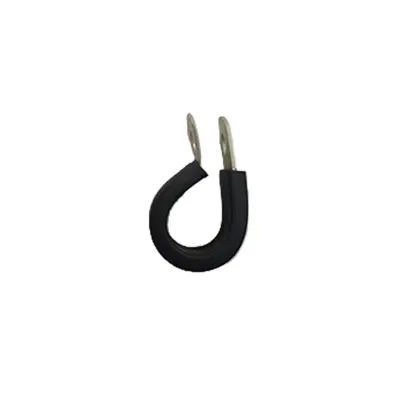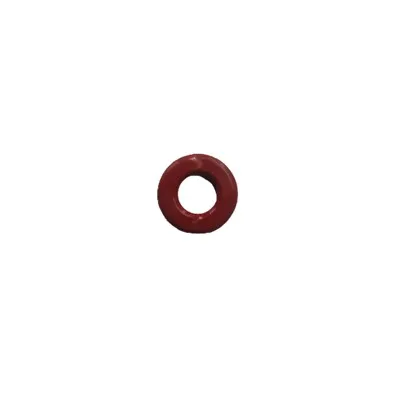

When it comes to cable management, the choice of cable clamps can significantly impact the performance and longevity of your cable systems. As a supplier of Rubber Coated Cable Clamps, I've witnessed firsthand the importance of understanding the impact resistance of these essential components. In this blog, we'll delve into what impact resistance means for rubber coated cable clamps, why it matters, and how it can benefit your projects.
Understanding Impact Resistance
Impact resistance refers to a material's ability to withstand sudden forces or blows without breaking, cracking, or deforming. In the context of rubber coated cable clamps, impact resistance is crucial because these clamps are often installed in environments where they may be subject to accidental impacts, vibrations, or mechanical stress.
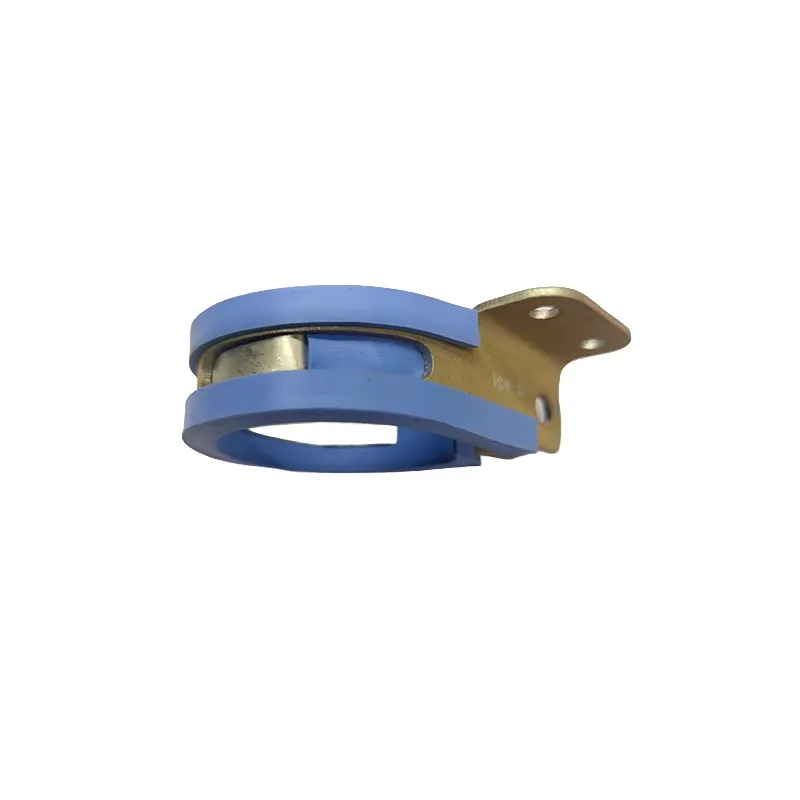
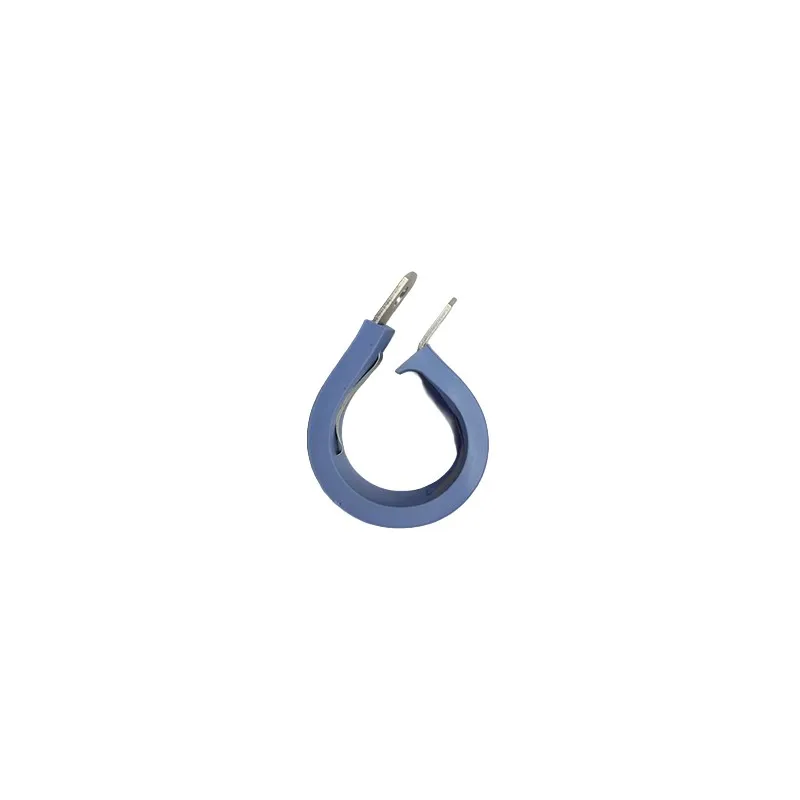
The rubber coating on cable clamps plays a vital role in enhancing their impact resistance. Rubber is a highly elastic material that can absorb and dissipate energy upon impact. When a clamp is struck, the rubber coating compresses and then rebounds, reducing the force transferred to the underlying metal or plastic structure. This not only protects the clamp from damage but also helps to prevent the cables it holds from being affected by the impact.
Why Impact Resistance Matters
Protection of Cables
One of the primary reasons why impact resistance is important for cable clamps is to protect the cables they hold. Cables are often expensive and critical components of electrical, telecommunications, and other systems. A single impact can cause damage to the cable insulation, leading to short circuits, signal interference, or even complete system failure. Rubber coated cable clamps with high impact resistance can act as a buffer, reducing the risk of cable damage and ensuring the reliable operation of your systems.
Longevity of Clamps
Impact-resistant cable clamps are more durable and have a longer lifespan. In industrial settings, construction sites, or outdoor environments, clamps are exposed to various hazards, including falling objects, machinery vibrations, and rough handling. A clamp that can withstand these impacts without breaking or deforming will last longer, reducing the need for frequent replacements and saving you money in the long run.
Safety
In addition to protecting cables and clamps, impact resistance also contributes to safety. Damaged cable clamps can pose a safety hazard, as they may not hold the cables securely. This can lead to cables coming loose, which can cause tripping hazards, electrical shocks, or fires. By using impact-resistant rubber coated cable clamps, you can minimize these risks and ensure a safer working environment.
Factors Affecting Impact Resistance
Rubber Quality
The quality of the rubber used in the coating is a major factor in determining the impact resistance of cable clamps. High-quality rubber has better elasticity, resilience, and tear resistance, which allows it to absorb and dissipate energy more effectively. When choosing rubber coated cable clamps, look for clamps made with premium-grade rubber that is resistant to aging, weathering, and chemicals.
Design and Construction
The design and construction of the cable clamp also play a role in its impact resistance. Clamps with a well-designed shape and structure can distribute the impact force more evenly, reducing the stress on the rubber coating and the underlying structure. Additionally, clamps with a thick rubber coating or multiple layers of rubber may offer better impact resistance than thin-coated clamps.
Installation
Proper installation is essential for ensuring the impact resistance of cable clamps. Clamps should be installed securely using the appropriate fasteners and techniques. If the clamps are not installed correctly, they may be more susceptible to damage from impacts. Make sure to follow the manufacturer's installation instructions and use the recommended tools and materials.
Applications of Rubber Coated Cable Clamps
Industrial Settings
In industrial settings, rubber coated cable clamps are widely used to secure cables in machinery, equipment, and control panels. These clamps are designed to withstand the harsh conditions of industrial environments, including high temperatures, vibrations, and chemical exposure. Their impact resistance ensures that the cables remain securely in place, even in the face of sudden impacts or shocks.
Construction Sites
Construction sites are another area where rubber coated cable clamps are commonly used. Cables are often laid across rough terrain and exposed to heavy equipment and machinery, making them vulnerable to damage. Impact-resistant cable clamps help to protect the cables from accidental impacts and ensure that they remain in place during construction activities.
Outdoor Environments
Outdoor environments, such as telecommunications towers, power lines, and renewable energy installations, also benefit from the use of rubber coated cable clamps. These clamps are designed to withstand the elements, including rain, snow, UV radiation, and extreme temperatures. Their impact resistance helps to protect the cables from damage caused by falling branches, debris, or other external factors.
Our Rubber Coated Cable Clamps
As a supplier of Rubber Coated Cable Clamps, we offer a wide range of products designed to meet the diverse needs of our customers. Our clamps are made with high-quality rubber and are available in various sizes and styles to fit different cable diameters and applications. We also offer Rubber Gland Seal and Rubber Strap Clamp to provide comprehensive cable management solutions.
Our rubber coated cable clamps are engineered to provide excellent impact resistance, ensuring the protection of your cables and the longevity of your cable systems. We use advanced manufacturing techniques and quality control processes to ensure that our products meet the highest standards of performance and reliability.
Conclusion
Impact resistance is a critical property of rubber coated cable clamps. It plays a crucial role in protecting cables, ensuring the longevity of clamps, and enhancing safety. By understanding the factors that affect impact resistance and choosing high-quality rubber coated cable clamps, you can ensure the reliable operation of your cable systems in various environments.
If you're in the market for rubber coated cable clamps or other rubber parts, we invite you to contact us to discuss your specific needs. Our team of experts is ready to provide you with the best solutions and support for your cable management projects.
References
- ASTM International. (2021). Standard Test Methods for Rubber Properties in Compression. ASTM D575-19.
- ISO 4662:2016. Rubber, vulcanized or thermoplastic - Determination of tear strength.
- Smith, J. (2018). Cable Management Best Practices. Electrical Engineering Magazine, 35(2), 45-52.