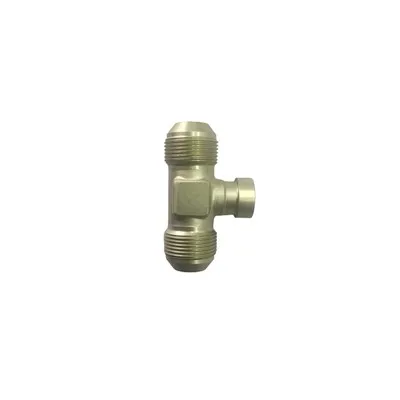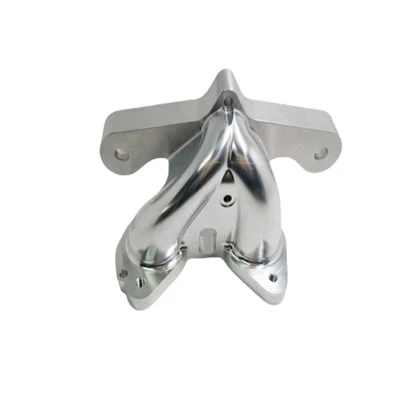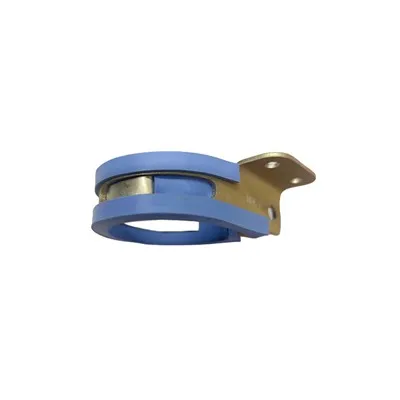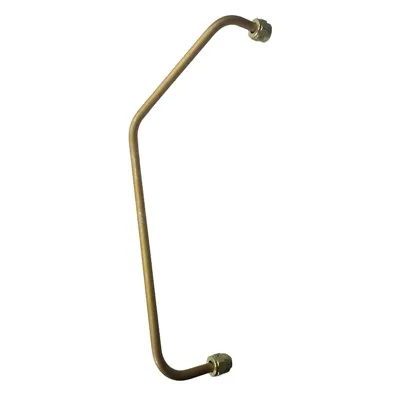

As a supplier of small pipe fittings, I understand the importance of preventing rust on these products. Rust not only affects the appearance of the pipe fittings but also compromises their functionality and durability. In this blog, I will share some effective methods to prevent small pipe fittings from rusting, based on my years of experience in the industry.
Understanding the Causes of Rust
Before we delve into the prevention methods, it's crucial to understand what causes rust. Rust is essentially the oxidation of iron when it comes into contact with oxygen and moisture. In the case of small pipe fittings, exposure to water, high humidity, and certain chemicals can accelerate the rusting process. Additionally, scratches or abrasions on the surface of the pipe fittings can expose the underlying metal, making it more susceptible to rust.
Material Selection
One of the most fundamental ways to prevent rust is to choose the right material for your small pipe fittings. Stainless steel is a popular choice as it contains chromium, which forms a protective oxide layer on the surface of the metal. This layer acts as a barrier, preventing oxygen and moisture from reaching the underlying iron. Other corrosion-resistant materials include brass, copper, and aluminum. These materials are naturally resistant to rust and can withstand harsh environments.
Surface Treatment
Surface treatment is another effective way to prevent rust on small pipe fittings. There are several types of surface treatments available, each with its own advantages.
Galvanizing
Galvanizing involves coating the pipe fittings with a layer of zinc. Zinc is more reactive than iron, so when it comes into contact with oxygen and moisture, it corrodes first, protecting the underlying iron. Galvanized pipe fittings are commonly used in outdoor applications where they are exposed to the elements.
Powder Coating
Powder coating is a process where a dry powder is applied to the surface of the pipe fittings and then heated to form a hard, protective layer. This layer not only prevents rust but also provides a decorative finish. Powder coating is available in a wide range of colors, allowing you to choose a finish that suits your aesthetic needs.
Electroplating
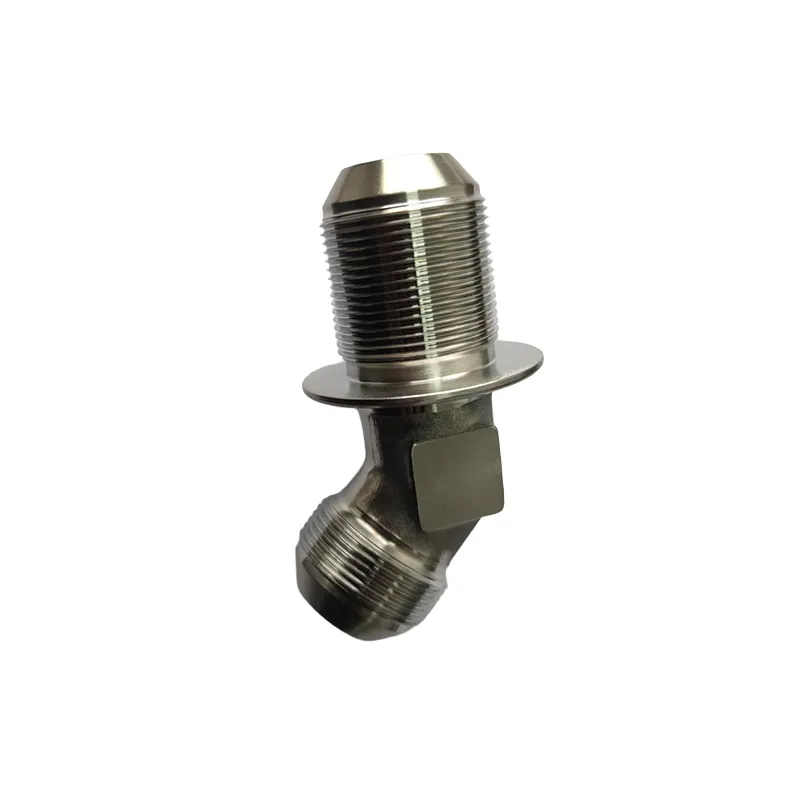
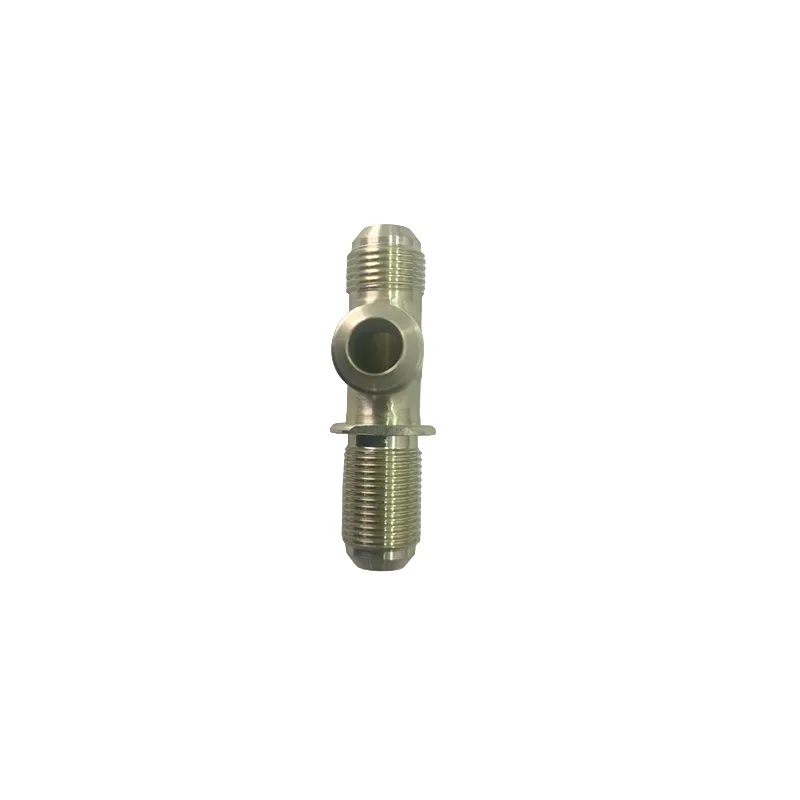
Electroplating is a process where a thin layer of metal, such as nickel or chrome, is deposited onto the surface of the pipe fittings using an electric current. This layer provides a smooth, shiny finish and is highly resistant to rust. Electroplated pipe fittings are commonly used in applications where appearance is important, such as in the automotive and plumbing industries.
Proper Storage and Handling
Proper storage and handling of small pipe fittings are essential to prevent rust. Here are some tips to keep in mind:
Store in a Dry Place
Moisture is one of the main causes of rust, so it's important to store your pipe fittings in a dry place. Avoid storing them in areas where there is high humidity, such as basements or near water sources. If possible, use a dehumidifier in the storage area to keep the humidity levels low.
Protect from Scratches
Scratches or abrasions on the surface of the pipe fittings can expose the underlying metal, making it more susceptible to rust. When handling the pipe fittings, use gloves or other protective equipment to prevent scratches. If the pipe fittings need to be transported, make sure they are properly packed to avoid damage.
Clean Regularly
Regular cleaning of the pipe fittings can help prevent rust. Use a mild detergent and water to clean the surface of the pipe fittings, and then dry them thoroughly. Avoid using abrasive cleaners or tools, as these can scratch the surface of the pipe fittings.
Environmental Considerations
The environment in which the small pipe fittings are used can also have a significant impact on their susceptibility to rust. Here are some environmental factors to consider:
Chemical Exposure
Exposure to certain chemicals can accelerate the rusting process. For example, pipe fittings used in industrial applications may be exposed to acids, alkalis, or other corrosive chemicals. In these cases, it's important to choose pipe fittings that are resistant to these chemicals. You may also need to take additional precautions, such as using protective coatings or enclosures.
Temperature and Humidity
High temperatures and humidity can create a conducive environment for rust to form. If the pipe fittings are used in an environment with high temperatures and humidity, it's important to take steps to reduce the humidity levels. You may also want to choose pipe fittings that are designed to withstand high temperatures.
Outdoor Exposure
Pipe fittings used outdoors are exposed to the elements, including rain, snow, and sunlight. In these cases, it's important to choose pipe fittings that are designed for outdoor use. Galvanized or powder-coated pipe fittings are a good choice for outdoor applications, as they are more resistant to rust and weathering.
Regular Inspection and Maintenance
Regular inspection and maintenance of the small pipe fittings are essential to prevent rust. Here are some tips to keep in mind:
Inspect Regularly
Inspect the pipe fittings regularly for signs of rust or damage. Look for areas where the protective coating may be worn or damaged, as these areas are more susceptible to rust. If you notice any signs of rust, take immediate action to address the issue.
Repair or Replace Damaged Pipe Fittings
If you find any damaged pipe fittings during the inspection, repair or replace them as soon as possible. Damaged pipe fittings can compromise the integrity of the entire piping system and may lead to leaks or other problems.
Lubricate Moving Parts
If the pipe fittings have moving parts, such as valves or joints, lubricate them regularly to prevent rust and ensure smooth operation. Use a lubricant that is suitable for the type of pipe fittings and the environment in which they are used.
Conclusion
Preventing small pipe fittings from rusting is essential to ensure their functionality and durability. By choosing the right material, applying appropriate surface treatments, storing and handling the pipe fittings properly, considering the environmental factors, and conducting regular inspection and maintenance, you can effectively prevent rust from forming on your small pipe fittings.
As a supplier of small pipe fittings, I offer a wide range of products, including Tabel Elbow 45, Large Pipe Fittings, and Reducing 90 Degree Elbow. All of our products are made from high-quality materials and are treated to prevent rust. If you are interested in purchasing small pipe fittings or have any questions about preventing rust, please feel free to contact us for a consultation and to discuss your procurement needs.
References
- ASM Handbook, Volume 13A: Corrosion: Fundamentals, Testing, and Protection
- NACE International: Corrosion Basics
- Pipe Fittings Handbook: Design, Selection, and Installation