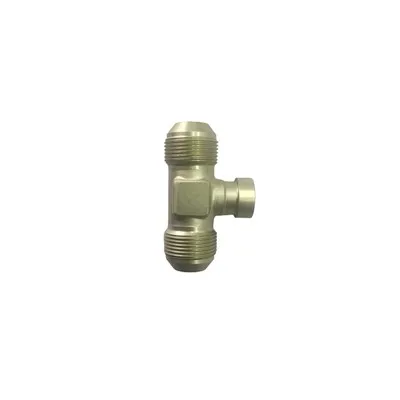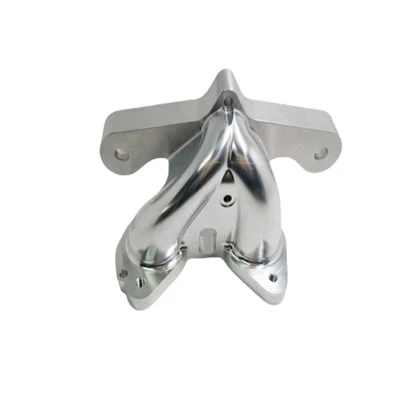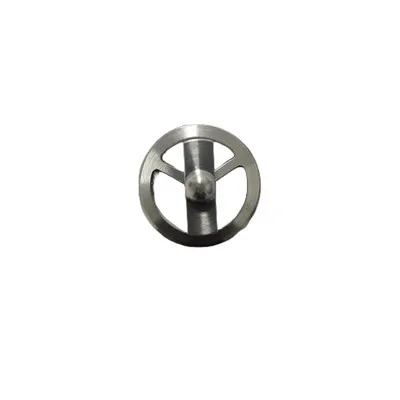

Hey there! As a supplier of Valve Body CNC Machining, I've had my fair share of experiences with CNC machines used for valve body machining. These machines are the heart and soul of our operations, and keeping them in top - notch condition is crucial. So, let's dive into the maintenance requirements for the CNC machine used in valve body machining.
Regular Cleaning
One of the most basic yet important maintenance tasks is regular cleaning. The valve body machining process generates a lot of chips, coolant, and oil. If these aren't cleaned regularly, they can build up and cause all sorts of problems.
The spindle is a critical part of the CNC machine. Chips can get stuck in the spindle, leading to decreased accuracy and even damage to the tool. So, it's essential to clean the spindle after each machining cycle. You can use compressed air to blow out the chips and then wipe it down with a clean, dry cloth.
The worktable is another area that needs frequent cleaning. Coolant and chips can accumulate on the table, which can affect the positioning of the valve body during machining. A good practice is to use a vacuum cleaner to remove the loose chips and then clean the table with a suitable cleaning solution.
Lubrication
Proper lubrication is key to the smooth operation of a CNC machine. The moving parts, such as the ball screws, linear guides, and spindles, need to be lubricated regularly.
Ball screws are responsible for the precise movement of the machine axes. If they aren't lubricated properly, they can wear out quickly, leading to inaccurate positioning. You should follow the manufacturer's recommendations for the type and frequency of lubrication. Usually, it's a good idea to lubricate the ball screws every few hundred hours of operation.
Linear guides also play a vital role in the machine's movement. They need to be lubricated to reduce friction and ensure smooth motion. Some CNC machines have automatic lubrication systems, which make the process easier. But even with an automatic system, you still need to check the lubricant level regularly.
The spindle bearings are another area that requires proper lubrication. High - speed spindles generate a lot of heat, and the right lubricant helps to dissipate this heat and keep the bearings in good condition.
Tool Inspection and Replacement
In valve body machining, the quality of the tools directly affects the quality of the final product. So, regular tool inspection is a must.
Check the cutting edges of the tools for wear. If the cutting edges are dull, the tool won't cut efficiently, and it can also cause poor surface finish on the valve body. You can use a tool microscope to inspect the cutting edges.
Also, look for any signs of chipping or breakage. A chipped or broken tool can damage the valve body and the machine itself. If you find any damaged tools, replace them immediately.
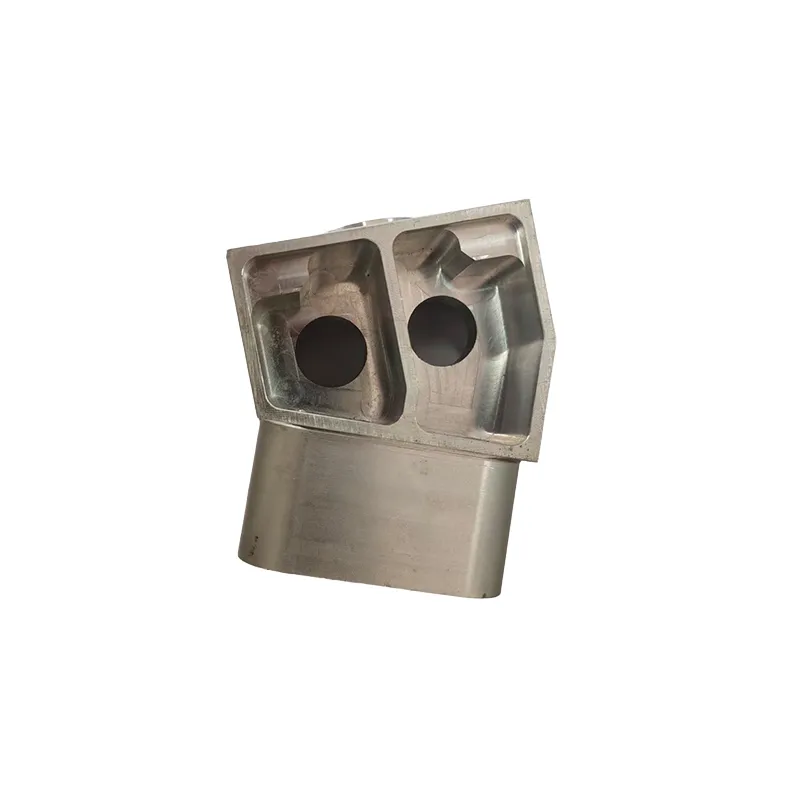
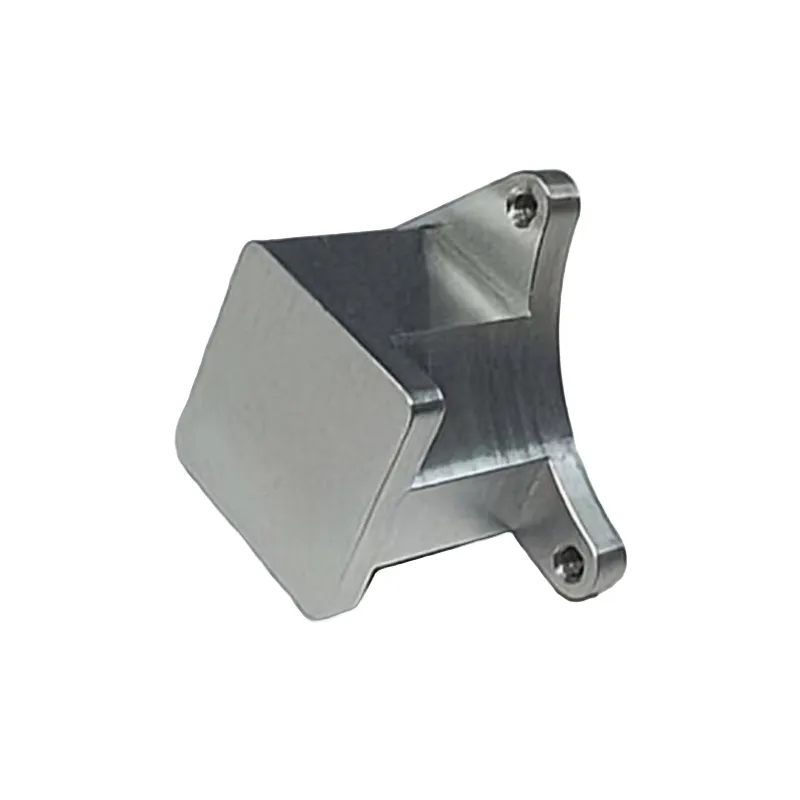
It's a good idea to keep a stock of spare tools. This way, you can quickly replace a worn - out or damaged tool without having to wait for a new one to be delivered. You can find a wide range of CNC Machined Parts that are suitable for valve body machining.
Calibration
Calibration is an important maintenance task that ensures the accuracy of the CNC machine. Over time, the machine can lose its accuracy due to factors such as wear and tear, temperature changes, and vibrations.
The first step in calibration is to check the machine's axes for straightness and perpendicularity. You can use precision measuring tools, such as laser interferometers, to measure the axes. If any deviations are found, the machine needs to be adjusted.
The spindle's speed and power also need to be calibrated regularly. An inaccurate spindle speed can lead to poor cutting performance and premature tool wear. You can use a tachometer to measure the spindle speed and adjust it if necessary.
Electrical System Maintenance
The electrical system of a CNC machine is complex and requires regular maintenance. Check the electrical connections for any signs of looseness or corrosion. Loose connections can cause electrical problems, such as short circuits, which can damage the machine.
Inspect the electrical components, such as the motors, drives, and controllers, for any signs of overheating or damage. Overheating can be a sign of a problem with the component, and it should be addressed immediately.
The control panel is another important part of the electrical system. Keep it clean and free from dust and debris. If there are any error messages on the control panel, troubleshoot them as soon as possible.
Software Updates
CNC machines rely on software to operate. Regular software updates are essential to keep the machine running smoothly and to take advantage of the latest features and improvements.
The manufacturer usually releases software updates to fix bugs, improve performance, and add new functionality. Make sure to check for software updates regularly and install them as soon as they are available.
However, before installing a software update, it's a good idea to back up all the machine's data. This way, you can restore the data if something goes wrong during the update process.
Environmental Considerations
The environment in which the CNC machine operates can also affect its performance and lifespan. The machine should be placed in a clean, dry, and temperature - controlled environment.
Excessive humidity can cause corrosion of the machine's metal parts, while extreme temperatures can affect the accuracy of the machine. If the temperature in the workshop is too high, the machine can overheat, and if it's too low, the lubricants can become too thick.
Dust and debris in the air can also cause problems. They can get into the machine's components and cause wear and damage. So, it's a good idea to use air filters in the workshop to keep the air clean.
Training for Operators
Last but not least, proper training for the operators is crucial for the maintenance of the CNC machine. Operators should be trained on how to operate the machine correctly, how to perform basic maintenance tasks, and how to recognize and report any problems.
A well - trained operator can prevent a lot of potential problems by following the proper operating procedures. They can also perform routine maintenance tasks, such as cleaning and lubrication, more effectively.
In conclusion, maintaining a CNC machine used in valve body machining requires a combination of regular cleaning, lubrication, tool inspection, calibration, electrical system maintenance, software updates, environmental control, and operator training. By following these maintenance requirements, you can ensure the long - term performance and reliability of your CNC machine.
If you're in the market for valve body CNC machining or Aluminum Alloy Non - standard Parts or CNC Machined Housing, feel free to reach out to us for a procurement discussion. We're here to provide you with high - quality products and excellent service.
References
- "CNC Machine Tool Maintenance Handbook"
- Manufacturer's manuals for the specific CNC machines used in valve body machining.