
As a supplier of rubber strap clamps, I've encountered numerous inquiries about the proper way to fasten these essential tools tightly. In this blog, I'll share some in - depth knowledge and practical tips on how to achieve a secure fastening of rubber strap clamps.
Understanding Rubber Strap Clamps
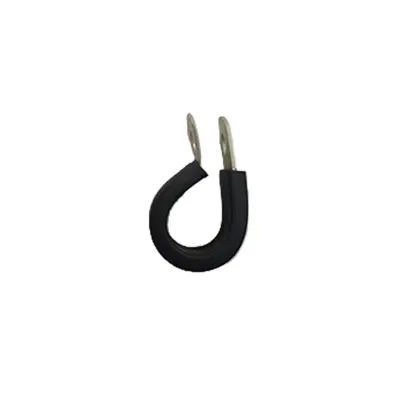
Before we delve into the fastening process, it's crucial to understand what rubber strap clamps are and their applications. Rubber strap clamps are versatile tools used in a wide range of industries, including automotive, electrical, and plumbing. They are designed to hold objects together, secure cables, or provide a cushioning effect between two components.
The rubber material used in these clamps offers several advantages. It is flexible, which allows it to conform to the shape of the objects it is clamping. It also provides a non - slip surface, ensuring that the clamped items stay in place. Additionally, rubber is resistant to corrosion, making it suitable for use in various environments.
Tools Required for Fastening
To fasten a rubber strap clamp tightly, you'll need a few basic tools. The most common tool is a pair of pliers. Pliers provide the necessary grip and leverage to tighten the clamp. Depending on the size and type of the clamp, you may also need a screwdriver. Some rubber strap clamps come with a screw mechanism for tightening, and a screwdriver will be required to adjust the tension.
Step - by - Step Guide to Fastening
- Select the Right Clamp: The first step is to choose the appropriate rubber strap clamp for your application. Consider the size of the objects you need to clamp, the amount of tension required, and the environment in which the clamp will be used. For example, if you're clamping a thick cable, you'll need a clamp with a wider strap and a higher tension capacity.
- Prepare the Objects: Clean the surfaces of the objects that you'll be clamping. Remove any dirt, grease, or debris that could prevent the clamp from making a secure connection. If necessary, sand the surfaces slightly to create a better grip.
- Position the Clamp: Place the rubber strap around the objects you want to clamp. Make sure the strap is centered and evenly distributed around the objects. If the clamp has a buckle or a screw mechanism, position it in a way that allows easy access for tightening.
- Initial Tightening: Use your hands to pull the strap as tight as possible. This will give you a starting point for further tightening. If the clamp has a buckle, make sure it is engaged properly.
- Using Pliers: If the initial hand - tightening is not sufficient, use a pair of pliers to grip the strap and pull it tighter. Hold the pliers close to the buckle or the screw mechanism to maximize the leverage. Be careful not to over - tighten the clamp, as this could damage the rubber or the objects being clamped.
- Adjusting with a Screwdriver: For clamps with a screw mechanism, use a screwdriver to turn the screw clockwise to increase the tension. Turn the screw gradually, checking the tightness of the clamp at regular intervals. Stop turning the screw when the clamp is tight enough to hold the objects securely.
Tips for a Secure Fastening
- Check the Tension Regularly: Over time, the rubber in the clamp may stretch or lose its elasticity. Periodically check the tension of the clamp and adjust it if necessary.
- Use the Right Amount of Force: When tightening the clamp, use just enough force to secure the objects. Applying too much force can cause the rubber to break or the objects to be damaged.
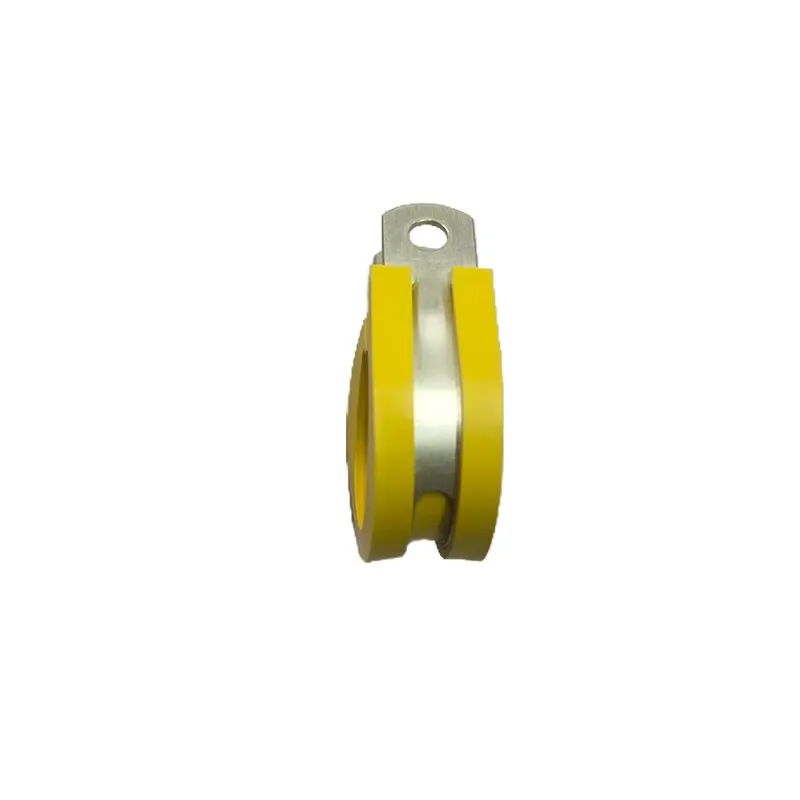
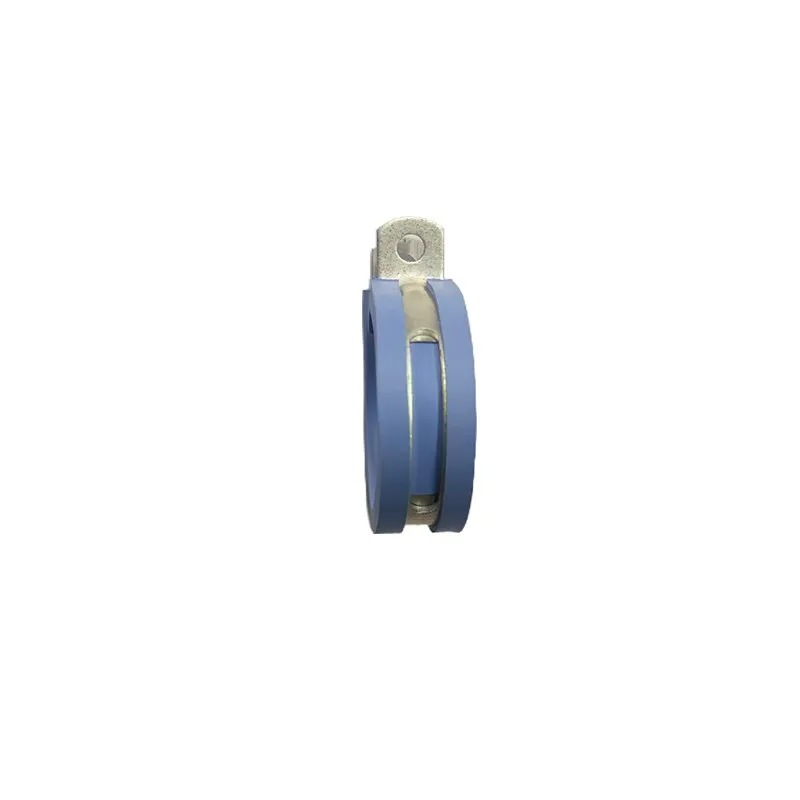
- Consider the Environment: If the clamp will be exposed to extreme temperatures, chemicals, or moisture, choose a rubber material that is resistant to these conditions. For example, Rubber Cushion Clamps are designed to withstand harsh environments and provide a reliable clamping solution.
Common Mistakes to Avoid
- Over - tightening: As mentioned earlier, over - tightening the clamp can lead to damage. It can cause the rubber to crack or break, and it may also damage the objects being clamped.
- Using the Wrong Clamp: Using a clamp that is too small or too large for the application can result in an insecure fastening. Make sure to choose the right size and type of clamp for your needs.
- Not Cleaning the Surfaces: Dirty or greasy surfaces can prevent the clamp from making a secure connection. Always clean the surfaces before applying the clamp.
Applications of Rubber Strap Clamps
Rubber strap clamps have a wide range of applications. In the automotive industry, they are used to secure hoses, cables, and other components. In the electrical industry, they are used to bundle cables and prevent them from moving. In the plumbing industry, they are used to secure pipes and fittings.
For example, Rubber Cushioned Cable Clamp is an excellent choice for electrical applications. It provides a cushioning effect, protecting the cables from damage and reducing the risk of electrical shorts.
Complementary Products
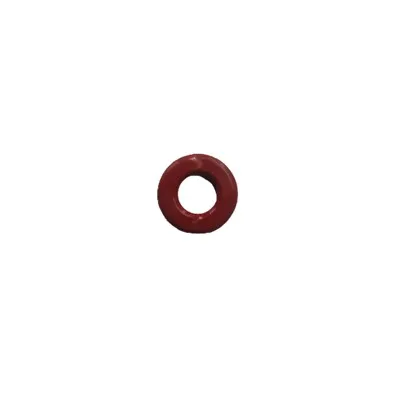
In addition to rubber strap clamps, we also offer other rubber products that can enhance the performance of your applications. High - Quality O - Rings are used in a variety of sealing applications, providing a reliable seal against fluids and gases. They are available in different sizes and materials to suit your specific needs.
Contact Us for Procurement
If you're in the market for high - quality rubber strap clamps or other rubber products, we're here to help. Our team of experts can assist you in choosing the right products for your application and provide you with detailed information on installation and maintenance. Whether you're a small business or a large industrial company, we can offer competitive pricing and excellent customer service. Contact us today to start your procurement process and experience the difference our products can make.
References
- "Rubber Products Handbook", published by the Rubber Manufacturers Association
- "Practical Guide to Fastening Tools", by John Smith