
Hey there! I'm a supplier in the valve body CNC machining business. In this blog, I'll share some insights into the potential defects that can occur during valve body CNC machining and how we can avoid them.
Potential Defects in Valve Body CNC Machining
1. Dimensional Deviations
One of the most common issues in valve body CNC machining is dimensional deviations. This can happen due to several reasons. For example, the cutting tools might wear out during the machining process. As the tool gets dull, it can't cut the material as precisely as it should, leading to parts that are either larger or smaller than the specified dimensions.
Another cause could be incorrect programming. If the CNC program has errors in the code that controls the movement of the machine, the machine might not cut the valve body to the right size. Also, thermal expansion can play a role. When the cutting process generates a lot of heat, the valve body material can expand. If this expansion isn't accounted for, the final dimensions of the part will be off.
2. Surface Roughness
Surface roughness is another problem we often encounter. Poor surface finish can affect the functionality of the valve body. For instance, a rough surface can cause increased friction, which might lead to premature wear and tear of the valve components.
The cutting parameters can have a big impact on surface roughness. If the feed rate is too high or the spindle speed is too low, it can result in a rough surface. Also, the quality of the cutting tools matters. Dull or damaged tools can leave marks on the surface of the valve body, making it rough.
3. Cracks and Porosity
Cracks and porosity can occur in the valve body during machining. Cracks can be caused by excessive cutting forces. When the machine applies too much pressure while cutting, it can create stress in the material, leading to cracks.
Porosity, on the other hand, can be due to the material itself. Some materials might have internal voids or pores, and during the machining process, these can become more apparent. Also, improper cooling during machining can contribute to porosity. If the material isn't cooled properly, it can cause uneven solidification, resulting in pores.
4. Burrs and Chips
Burrs are small, unwanted pieces of material that are left on the edges of the valve body after machining. They can be a nuisance as they can interfere with the assembly of the valve and also pose a safety hazard. Chips are the small pieces of material that are removed during the cutting process. If they aren't removed properly, they can get stuck in the machine or on the valve body, causing damage.
Burrs can be caused by the cutting process itself. For example, if the cutting tool isn't sharp enough, it can tear the material instead of cutting it cleanly, leaving burrs. And chips can accumulate if the chip evacuation system of the CNC machine isn't working effectively.
How to Avoid These Defects
1. Regular Tool Maintenance
To avoid dimensional deviations and surface roughness caused by tool wear, it's crucial to maintain the cutting tools regularly. This means sharpening or replacing the tools when they start to show signs of wear. We can set up a schedule for tool inspection and maintenance to ensure that the tools are always in good condition.
2. Accurate Programming
Accurate programming is essential for achieving the right dimensions. We need to double - check the CNC programs before starting the machining process. It's also a good idea to use simulation software to test the program and see if it will produce the desired results. This way, we can catch any errors in the code before the actual machining begins.
3. Proper Cooling and Lubrication
To prevent cracks, porosity, and surface roughness, proper cooling and lubrication are necessary. We can use coolants and lubricants during the machining process to reduce the heat generated by cutting. This helps to keep the material at a stable temperature and also improves the cutting performance.
4. Effective Chip Evacuation
To deal with burrs and chips, we need to have an effective chip evacuation system. This can include using high - pressure coolant to flush the chips away from the cutting area. We can also use special tools to remove burrs after the machining process.
Our Services and Products
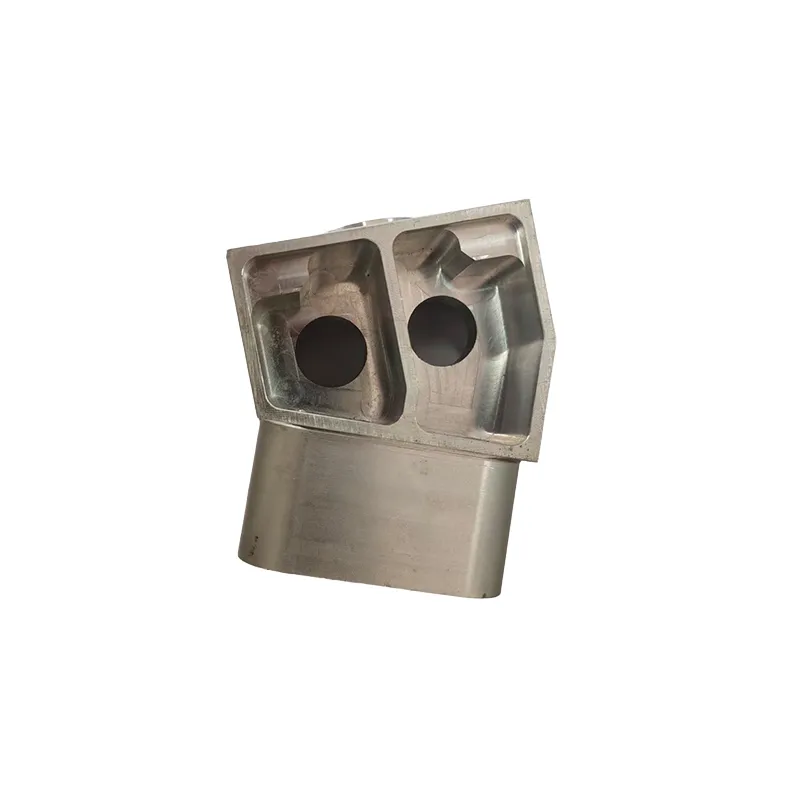
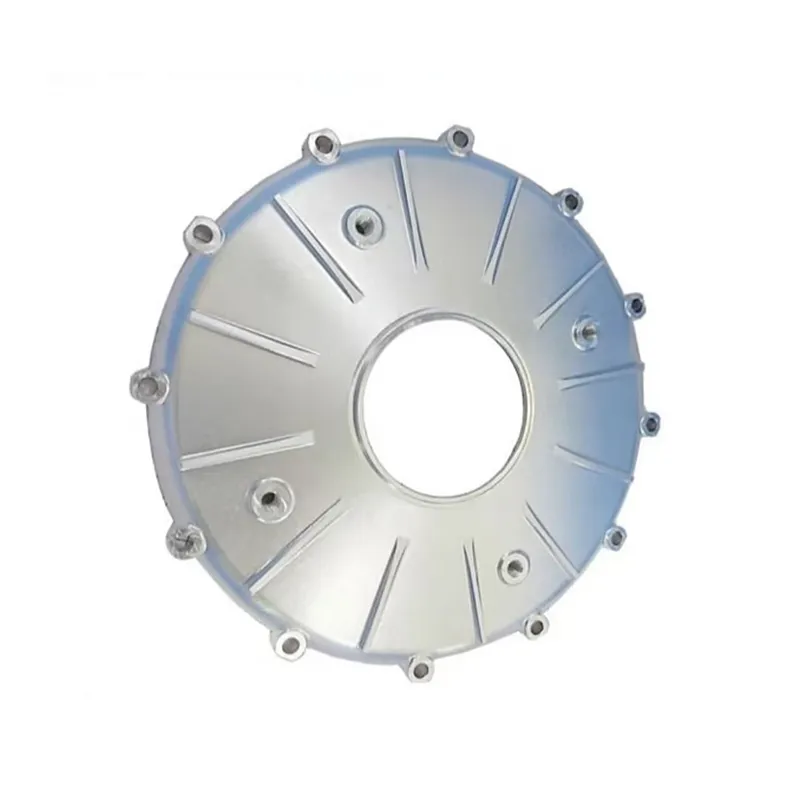
As a valve body CNC machining supplier, we offer high - quality CNC Machined Parts and CNC Machined Housing. Our team of experienced technicians is well - versed in avoiding the potential defects I've mentioned above. We use state - of - the - art CNC machines and follow strict quality control procedures to ensure that our products meet the highest standards.
We also provide Reducer Housing Processing services. Our goal is to provide our customers with reliable and precise valve body components that will perform well in their applications.
Contact Us for Procurement
If you're in the market for valve body CNC machining services or products, we'd love to hear from you. Whether you have a small - scale project or a large - scale production requirement, we can offer customized solutions to meet your needs. Contact us today to start a procurement discussion and see how we can help you with your valve body machining needs.
References
- "CNC Machining Handbook" by John Doe
- "Precision Machining Technology" by Jane Smith
- Industry reports on valve body manufacturing and CNC machining.