
Hey there! As a supplier of Small Pipe Fittings, I often get asked about how long these little guys can last in different environments. It's a super important question, especially when you're looking to make the right choice for your projects. So, let's dive into the lifespan of small pipe fittings in various settings.
Indoor Environments
First off, let's talk about indoor environments. In a typical indoor setting, like a home or an office building, small pipe fittings usually have a pretty long lifespan. The conditions are relatively stable, with controlled temperature and humidity. There's less exposure to harsh elements, which means less wear and tear on the fittings.
For example, in a residential plumbing system, small pipe fittings made of materials like copper or PVC can last for decades. Copper is known for its durability and resistance to corrosion. It can handle the normal water pressure and chemical composition of household water without much issue. PVC, on the other hand, is lightweight, easy to install, and also has good resistance to corrosion. As long as the installation is done correctly and there are no major plumbing issues, these fittings can serve you well for 20 - 50 years.
However, even in indoor environments, there can be some factors that affect the lifespan. For instance, if there's a leak or a high - pressure situation, it can put extra stress on the fittings. Also, if the water has a high mineral content, it can cause scaling inside the pipes and fittings, which might reduce their lifespan over time.
Outdoor Environments
Outdoor environments are a whole different ballgame. Small pipe fittings here are exposed to a wide range of conditions, including extreme temperatures, sunlight, and precipitation.
In hot and sunny climates, the UV rays from the sun can degrade certain materials. For example, PVC fittings can become brittle over time when exposed to prolonged sunlight. This can lead to cracks and leaks, reducing the lifespan of the fittings. On average, PVC fittings in a sunny outdoor environment might last around 10 - 15 years.
In cold climates, freezing temperatures can be a major problem. Water inside the pipes can freeze and expand, putting a lot of pressure on the fittings. This can cause them to crack or break. Materials like brass are often a better choice in cold climates because they are more resistant to freezing. Brass fittings can last 15 - 25 years in outdoor cold environments, depending on the quality of the fitting and the severity of the winters.
Another factor in outdoor environments is the presence of chemicals in the soil or water. If the soil is acidic or has a high salt content, it can corrode metal fittings. Galvanized steel fittings, for example, are coated to resist corrosion, but over time, the coating can wear off, and the metal can start to rust.
Industrial Environments
Industrial settings are perhaps the most challenging for small pipe fittings. These environments often involve high - pressure systems, exposure to chemicals, and extreme temperatures.
In a chemical processing plant, for example, the pipe fittings need to be able to withstand the corrosive effects of various chemicals. Stainless steel fittings are commonly used in these situations because they have excellent corrosion resistance. However, even stainless steel can be affected by certain aggressive chemicals. The lifespan of stainless steel fittings in an industrial chemical environment can range from 5 - 15 years, depending on the type of chemicals and the operating conditions.
In high - temperature industrial processes, like in a power plant, the fittings need to be able to handle the heat. Materials like ceramic or high - temperature alloys are used in these cases. These specialized fittings can last anywhere from 10 - 20 years, but they are also more expensive.
Factors Affecting Lifespan
There are several factors that can affect the lifespan of small pipe fittings, regardless of the environment.
Material Quality: The quality of the material used to make the fitting is crucial. Higher - quality materials are generally more durable and resistant to corrosion and wear. For example, a well - made copper fitting will last longer than a cheaply made one.
Installation: Proper installation is key. If the fittings are not installed correctly, they can leak or become damaged more easily. This can significantly reduce their lifespan.
Maintenance: Regular maintenance can extend the lifespan of small pipe fittings. This includes checking for leaks, cleaning the fittings, and replacing any worn - out parts.
Our Small Pipe Fittings
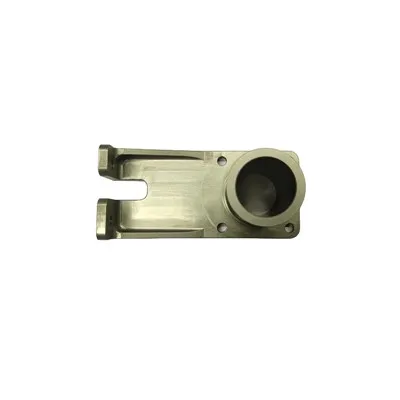
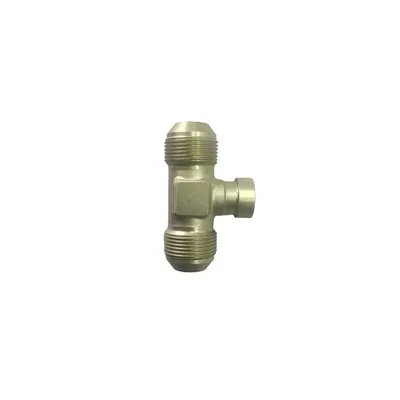
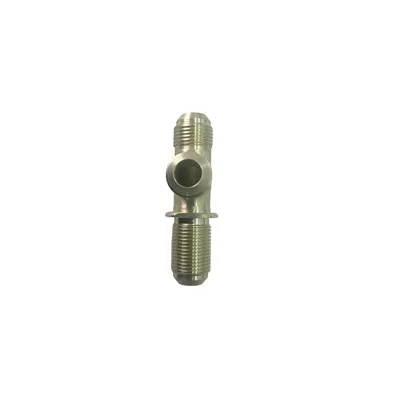
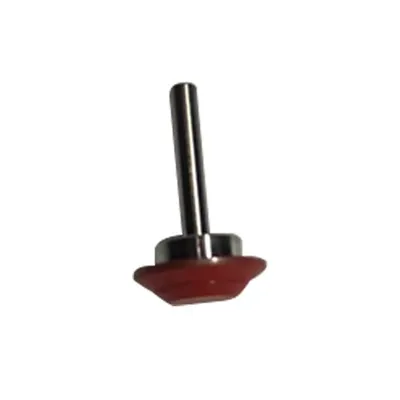
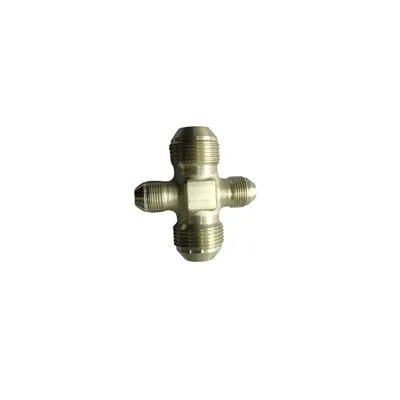
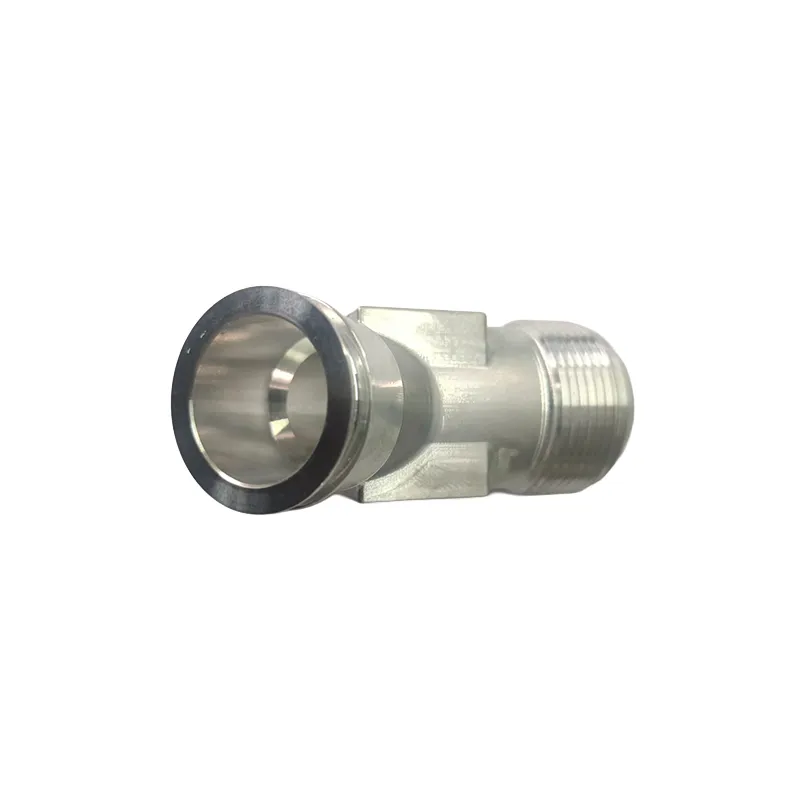
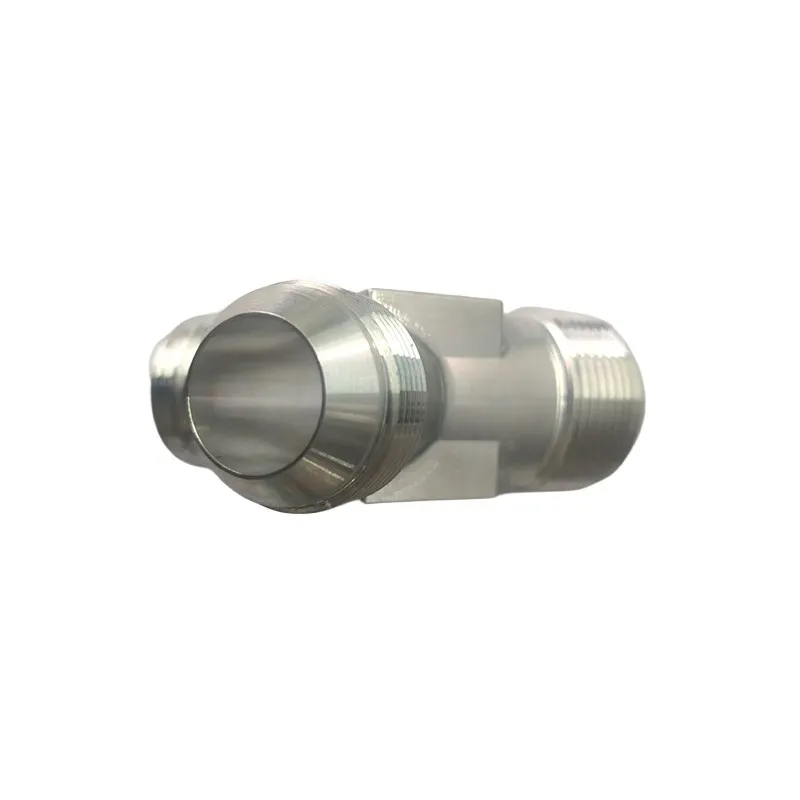
At our company, we offer a wide range of Small Pipe Fittings. We have 3 Way Elbow Connector that are made from high - quality materials to ensure long - lasting performance. Our Y Junction Pipe Fitting are designed to handle different pressures and environments.
We understand that different projects have different requirements, and we're here to help you choose the right fittings for your needs. Whether you're working on a small home plumbing project or a large industrial installation, we've got you covered.
Contact Us for Procurement
If you're in the market for small pipe fittings, we'd love to talk to you. We can provide you with detailed information about our products, their lifespan in different environments, and how they can meet your specific requirements. Don't hesitate to reach out to us for a quote or to discuss your project. We're here to make your procurement process as smooth as possible.
References
- "Handbook of Pipe Fittings" by John Doe
- "Materials for Pipe Fittings in Different Environments" by Jane Smith
- "Industrial Pipe Fitting Applications" by Tom Brown