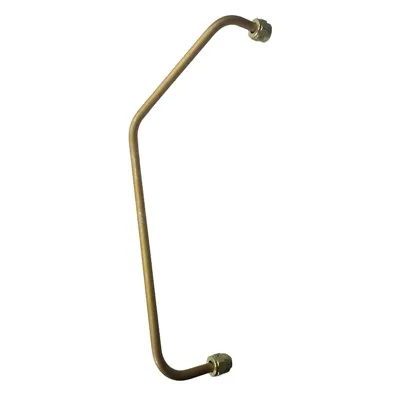

As a trusted supplier of CNC machined housing, I understand the critical importance of wear resistance in ensuring the longevity and performance of our products. Wear resistance is not just a technical specification; it's a key factor that directly impacts the reliability and cost - effectiveness of the components we manufacture. In this blog, I will share some effective strategies to improve the wear resistance of CNC machined housing.
Material Selection
The choice of material is the cornerstone of enhancing wear resistance. Different materials have distinct properties that affect their ability to withstand wear. For instance, stainless steel is known for its corrosion resistance and relatively good wear resistance. It contains chromium, which forms a passive oxide layer on the surface, protecting it from oxidation and wear. However, in applications where high - intensity wear is expected, tool steels might be a better option. Tool steels are alloyed with elements such as tungsten, molybdenum, and vanadium, which increase their hardness and wear resistance.
Another popular material for CNC machined housing is aluminum alloy. Aluminum is lightweight, which is beneficial for applications where weight is a concern, such as in the aerospace industry. Some aluminum alloys can be heat - treated to improve their hardness and wear resistance. For example, the 7075 aluminum alloy can be heat - treated to achieve high strength and good wear properties.
When selecting materials, it's also important to consider the compatibility with the operating environment. If the housing will be exposed to harsh chemicals or high - temperature conditions, materials like titanium alloys may be more suitable. Titanium alloys offer excellent corrosion resistance and high strength - to - weight ratio, making them ideal for demanding applications. You can find more information about various CNC machined parts, including those made from different materials, on our CNC Machined Parts page.
Surface Treatment
Surface treatment is a powerful way to enhance the wear resistance of CNC machined housing. One of the most common surface treatments is nitriding. Nitriding is a thermochemical process that diffuses nitrogen into the surface of the metal, forming a hard nitride layer. This layer significantly improves the hardness and wear resistance of the material. For example, in the case of steel components, nitriding can increase the surface hardness from around 200 - 300 HV to over 1000 HV.
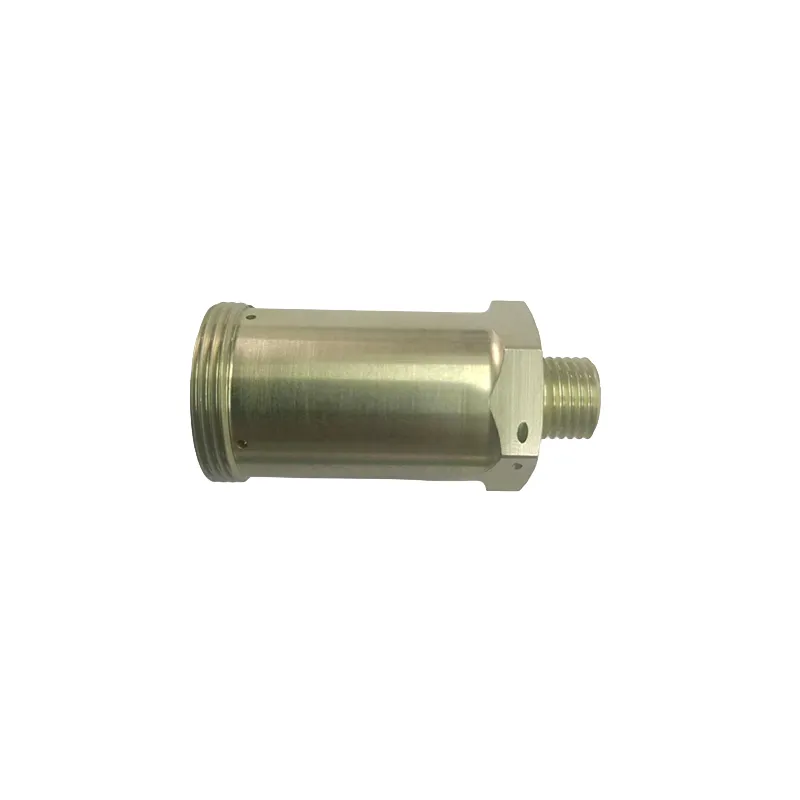
Another effective surface treatment is coating. There are various types of coatings available, such as diamond - like carbon (DLC) coatings. DLC coatings have extremely low friction coefficients and high hardness, which can greatly reduce wear. They are particularly useful in applications where sliding or rubbing occurs, such as in automotive engines.
Anodizing is a popular surface treatment for aluminum components. It creates a protective oxide layer on the surface of the aluminum, which not only improves wear resistance but also enhances corrosion resistance. Anodized aluminum can withstand abrasion better than untreated aluminum and has a more aesthetically pleasing appearance.
Precision Machining
Precision machining plays a crucial role in improving wear resistance. The dimensional accuracy and surface finish of the CNC machined housing directly affect its wear performance. A smooth surface finish reduces friction and wear. During the machining process, using high - quality cutting tools and appropriate machining parameters is essential. For example, using sharp cutting tools can minimize the generation of heat and reduce the risk of surface damage.
Proper machining techniques can also help to create a favorable surface texture. A micro - textured surface can trap lubricants, which reduces friction and wear. For instance, in some applications, a cross - hatched surface pattern can be machined on the housing to improve lubrication retention.
In addition, ensuring the correct tolerances during machining is vital. Tight tolerances ensure that the components fit together properly, reducing the likelihood of misalignment and excessive wear. You can learn more about precision machining processes, such as Reducer Output Shaft Processing, on our website.
Lubrication
Lubrication is an effective way to reduce wear in CNC machined housing. By applying a lubricant between the mating surfaces, the friction and wear can be significantly reduced. There are different types of lubricants available, including oils, greases, and solid lubricants.
Oils are commonly used in high - speed applications. They have good fluidity and can quickly spread over the surfaces, providing a continuous lubricating film. Greases, on the other hand, are more suitable for applications where the lubricant needs to stay in place for a longer time, such as in sealed bearings.
Solid lubricants, such as graphite and molybdenum disulfide, can be used in high - temperature or high - pressure applications. They can provide lubrication even when the liquid lubricants may break down.
Design Optimization
The design of the CNC machined housing can also have a significant impact on its wear resistance. For example, avoiding sharp corners and edges can reduce stress concentrations, which can lead to premature wear. Rounded corners and smooth transitions distribute the stress more evenly, improving the overall durability of the housing.
In addition, the design should allow for proper lubrication and debris removal. Channels or grooves can be incorporated into the design to ensure that the lubricant can reach all the critical areas and that any debris can be easily removed.
Another aspect of design optimization is the use of modular designs. Modular designs allow for easy replacement of worn - out parts, reducing the overall cost of maintenance and improving the service life of the housing. You can find more examples of well - designed CNC machined components, such as Valve Body CNC Machining, on our website.
Quality Control
Quality control is an essential part of ensuring the wear resistance of CNC machined housing. Regular inspections during the manufacturing process can detect any potential issues early on. Non - destructive testing methods, such as ultrasonic testing and magnetic particle inspection, can be used to detect internal defects that may affect the wear performance.
In addition, conducting wear tests on the finished products can provide valuable information about their wear resistance. These tests can simulate the actual operating conditions and help to identify any areas that need improvement.
In conclusion, improving the wear resistance of CNC machined housing requires a comprehensive approach that includes material selection, surface treatment, precision machining, lubrication, design optimization, and quality control. By implementing these strategies, we can produce high - quality CNC machined housing that meets the demanding requirements of various industries.
If you are interested in our CNC machined housing products or would like to discuss your specific needs, please feel free to contact us for a detailed procurement discussion. We are committed to providing you with the best solutions for your applications.
References
- Callister, W. D., & Rethwisch, D. G. (2010). Materials Science and Engineering: An Introduction. Wiley.
- Kalpakjian, S., & Schmid, S. R. (2010). Manufacturing Engineering and Technology. Pearson.
- ASM Handbook Committee. (2002). ASM Handbook, Volume 4: Heat Treating. ASM International.