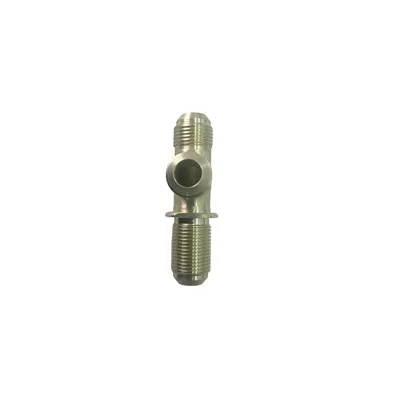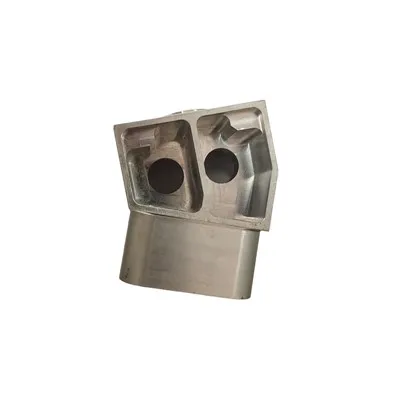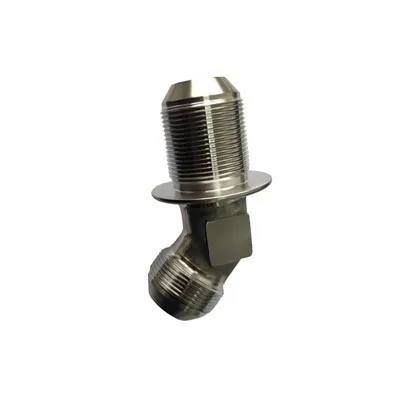

Hey there! As a valve body CNC machining supplier, I've been in the trenches of this industry for quite a while. One of the most crucial aspects we need to handle in valve body CNC machining is heat dissipation. Let's dive into what the requirements for heat dissipation are and why they matter so much.
First off, why do we even need to worry about heat dissipation in valve body CNC machining? Well, during the machining process, there's a ton of friction between the cutting tool and the valve body material. This friction generates a whole bunch of heat. If this heat isn't properly dissipated, it can lead to some serious problems.
One major issue is thermal deformation. When the valve body gets too hot, it starts to expand. After the machining is done and it cools down, it may not return to its original shape exactly. This can result in dimensional inaccuracies, which is a big no - no in the valve body manufacturing world. Valves need to fit precisely in their systems, and even a tiny deviation in size can cause leakage or malfunction.
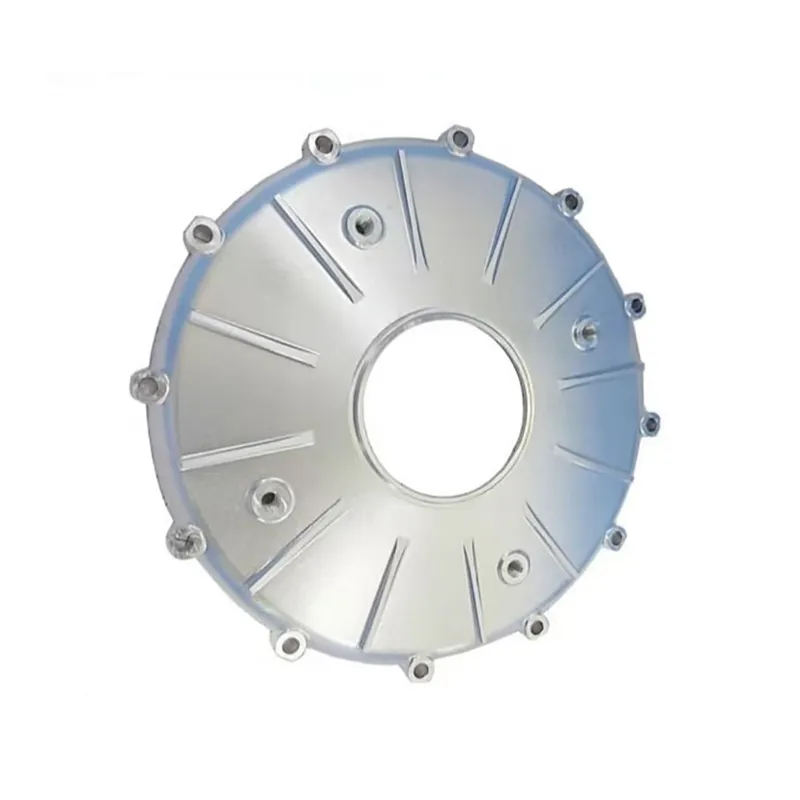
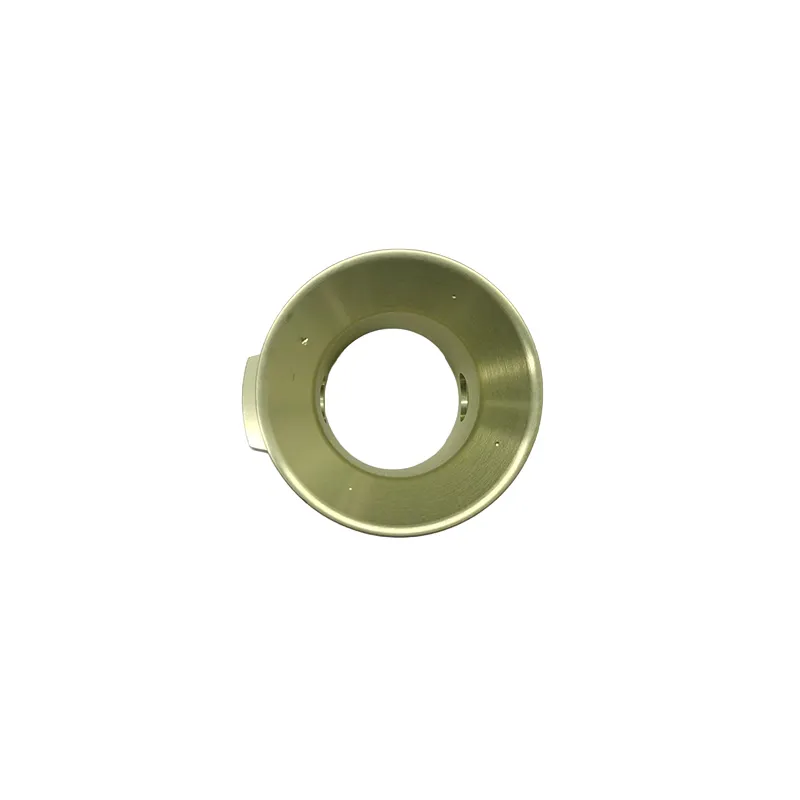
Another problem is tool wear. The high heat can accelerate the wear and tear of the cutting tools. A worn - out tool can't cut as effectively, leading to poor surface finish on the valve body. Not only does this affect the appearance, but it can also impact the functionality of the valve. For example, a rough surface inside a valve can cause fluid flow disruptions.
So, what are the requirements for heat dissipation to avoid these problems?
1. Cooling Fluid System
A good cooling fluid system is a must - have. This system plays a dual role. First, it helps to lower the temperature at the cutting zone. The cooling fluid, usually a special coolant, is pumped directly to the area where the cutting tool is in contact with the valve body. As it flows over the hot surfaces, it absorbs the heat and carries it away.
The coolant also acts as a lubricant. By reducing friction between the tool and the workpiece, it generates less heat in the first place. The type of coolant used matters a lot. Some are better suited for certain materials. For instance, if we're machining a stainless - steel valve body, we need a coolant that can withstand the high heat generated when cutting this hard material.
2. Ventilation in the Machining Area
Proper ventilation is another key requirement. The machining area should have a well - designed ventilation system. This helps to remove the hot air that accumulates around the machining equipment. As the hot air is removed, cooler air can come in, maintaining a more stable temperature in the workspace.
Good ventilation also helps to get rid of any fumes or mist generated by the coolant. Some coolants can produce harmful fumes when heated, and breathing these in can be dangerous for the workers. A ventilation system with exhaust fans and proper ductwork can effectively keep the air clean and safe.
3. Tool Design and Material Selection
The design and material of the cutting tools can also impact heat dissipation. Tools with efficient chip - removal designs can help. When chips are quickly and easily removed from the cutting area, they don't stay there to absorb more heat and transfer it back to the tool and the valve body.
Tool materials also matter. Some materials are better at conducting heat away from the cutting edge. For example, carbide tools are known for their good heat - conducting properties. By using the right tool material, we can ensure that the heat generated during cutting is dissipated more effectively.
4. Monitoring and Control
We need to continuously monitor the temperature during the machining process. This can be done using temperature sensors placed at critical points, such as near the cutting zone and on the valve body itself. By keeping an eye on the temperature, we can make real - time adjustments.
If the temperature starts to rise too high, we can increase the flow rate of the coolant, adjust the cutting parameters like the feed rate or the cutting speed, or even pause the machining process for a short while to let things cool down. This kind of monitoring and control is essential for maintaining the right heat - dissipation conditions.
Now, as a valve body CNC machining supplier, we take all these heat - dissipation requirements very seriously. We've invested in top - of - the - line cooling fluid systems, improved the ventilation in our workshops, and carefully selected our cutting tools based on the best heat - dissipation principles.
In addition to valve body machining, we also offer Non-standard Machining, CNC Machining Of Die Castings, and CNC Machined Housing services. We understand that heat dissipation is important in these processes too, and we apply the same high - quality standards across the board.
If you're in the market for valve body machining or any of our other services, don't hesitate to get in touch. We're here to provide you with the best - quality products and ensure that all your machining needs are met. Whether you've got a small - scale project or a large - scale production order, we're ready to take it on. Reach out to us now and let's start a great partnership!
References
- Smith, J. (2020). "Advanced Machining Techniques: Temperature Control". Machining Press.
- Brown, A. (2019). "Cutting Tool Materials and Their Impact on Heat Dissipation". Tooling Journal.
- Johnson, M. (2021). "Cooling Fluid Systems in CNC Machining". Manufacturing Insights.