
The acoustic properties of an elbow reducer pipe are a fascinating area of study, especially for those in the piping industry. As a supplier of elbow reducer pipes, understanding these properties is crucial for providing high - quality products to our customers.
1. Basics of Elbow Reducer Pipes
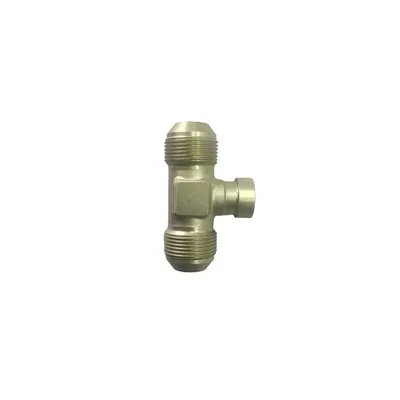
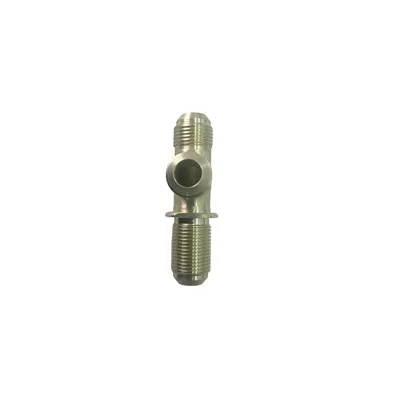
Elbow reducer pipes are unique components in piping systems. They combine the functions of an elbow, which changes the direction of the fluid flow, and a reducer, which changes the pipe diameter. This combination allows for smooth transitions in both flow direction and pipe size within a single component.
The design of an elbow reducer pipe is often dictated by the specific requirements of the application. For example, in industrial settings, they are used to connect pipes of different diameters while changing the flow path, which is essential for efficient fluid transportation.
2. Key Acoustic Properties
2.1 Sound Propagation
Sound waves travel through the fluid inside the elbow reducer pipe. The geometry of the elbow and the change in diameter can significantly affect the way sound propagates. When a sound wave encounters an elbow, it can be reflected, refracted, or absorbed. The curvature of the elbow causes the sound wave to change its direction, and the change in diameter can lead to impedance mismatches.
Impedance mismatch occurs when the acoustic impedance of the fluid in the pipe changes due to the diameter reduction. This can cause a portion of the sound wave to be reflected back, resulting in echoes or standing waves within the pipe. The magnitude of the reflection depends on the ratio of the diameters of the two ends of the reducer and the angle of the elbow.
2.2 Attenuation
Attenuation refers to the reduction in the intensity of the sound wave as it travels through the pipe. In an elbow reducer pipe, attenuation can occur due to several factors. Friction between the fluid and the pipe wall is one of the main causes. As the fluid moves through the pipe, it rubs against the inner surface, which dissipates energy from the sound wave.
The complex geometry of the elbow reducer also contributes to attenuation. The bends and changes in diameter cause the sound wave to scatter, which further reduces its intensity. Additionally, the material of the pipe can affect attenuation. For example, pipes made of materials with high damping properties will absorb more sound energy, leading to greater attenuation.
2.3 Resonance
Resonance is a phenomenon that occurs when the frequency of the sound wave matches the natural frequency of the pipe or the fluid inside it. In an elbow reducer pipe, resonance can cause the sound to be amplified, leading to increased noise levels. The natural frequency of the pipe depends on its length, diameter, and material properties.
The shape of the elbow and the reducer can also influence the resonance frequencies. A well - designed elbow reducer pipe can be tuned to avoid resonance at common operating frequencies, which helps to reduce noise and vibration in the piping system.
3. Impact on Piping Systems
3.1 Noise in Industrial Applications
In industrial settings, the acoustic properties of elbow reducer pipes can have a significant impact on the overall noise levels. Excessive noise can not only be a nuisance to workers but also a sign of inefficiencies in the piping system. For example, if there is a high level of resonance in the elbow reducer pipe, it can cause vibrations that may damage the pipe or other components in the system.
To minimize noise, proper design and selection of elbow reducer pipes are essential. This includes choosing the right diameter ratio, elbow angle, and material. Additionally, the use of acoustic insulation materials can help to reduce the transmission of sound through the pipe.
3.2 Flow - Induced Noise
The flow of fluid through the elbow reducer pipe can also generate noise. Turbulence, which is common in pipes with bends and diameter changes, can cause pressure fluctuations that result in sound. The shape of the elbow and the reducer can affect the level of turbulence. A well - designed elbow reducer can help to reduce turbulence and, consequently, flow - induced noise.
4. Our Offerings as a Supplier
As a leading supplier of elbow reducer pipes, we understand the importance of acoustic properties in piping systems. Our products are designed to minimize noise and vibration while ensuring efficient fluid flow.
We offer a wide range of elbow reducer pipes with different diameter ratios and elbow angles to meet the diverse needs of our customers. Our pipes are made from high - quality materials that have excellent acoustic properties, such as low attenuation and resistance to resonance.
In addition to our standard products, we also provide custom - made elbow reducer pipes. Our experienced engineering team can work with you to design a pipe that meets your specific acoustic requirements. Whether you need a pipe for a small - scale project or a large industrial application, we have the expertise and resources to deliver a solution that fits your needs.
5. Related Products
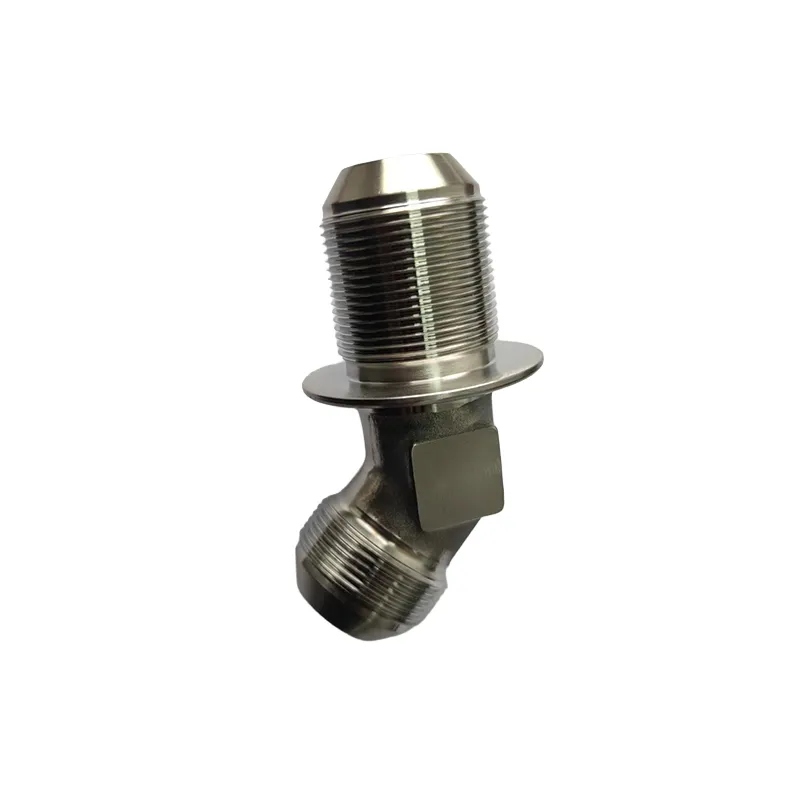
We also offer a variety of related products that can complement our elbow reducer pipes. For example, our 3 Way Elbow Connector is a versatile component that can be used to connect multiple pipes at different angles. The Tabel Elbow 45 is another popular product that provides a 45 - degree bend in the piping system. And our Stack Pipe Fittings are designed for use in stack systems, where efficient fluid flow and noise reduction are crucial.
6. Conclusion and Call to Action
In conclusion, the acoustic properties of elbow reducer pipes play a vital role in the performance and efficiency of piping systems. As a supplier, we are committed to providing high - quality products that meet the acoustic requirements of our customers.
If you are in need of elbow reducer pipes or any related products, we invite you to contact us for a detailed discussion. Our team of experts is ready to assist you in selecting the right products for your project and answering any questions you may have. Let us work together to create a piping system that is not only efficient but also quiet and reliable.
References
- Beranek, Leo L. Noise and Vibration Control. McGraw - Hill, 1971.
- Morse, Philip M., and K. Uno Ingard. Theoretical Acoustics. McGraw - Hill, 1968.
- White, Frank M. Fluid Mechanics. McGraw - Hill, 2011.