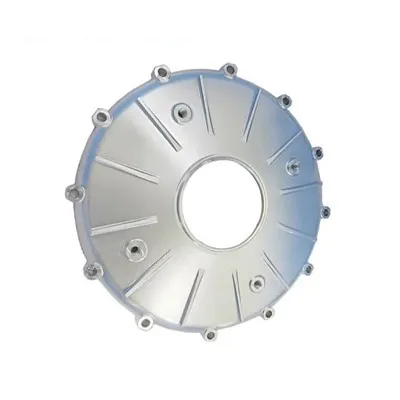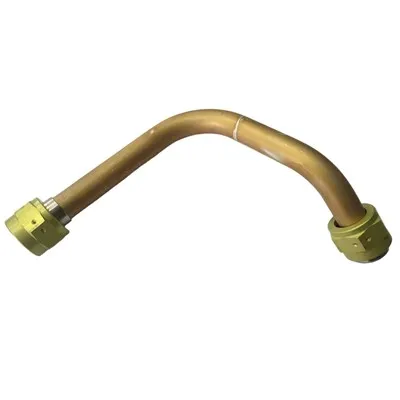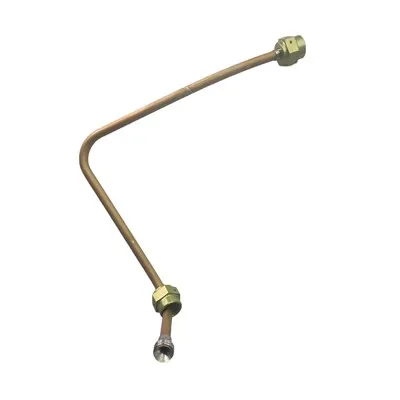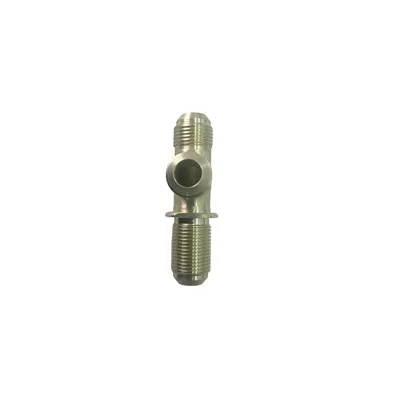

As a supplier of CNC Machined Parts, I've witnessed firsthand the challenges and opportunities in the industry. In this blog, I'll share some practical strategies to enhance the productivity of CNC machining for parts.
1. Optimize Tool Selection and Management
The right tools are the foundation of efficient CNC machining. Selecting high - quality cutting tools that are appropriate for the material being machined is crucial. For instance, when machining hard metals like stainless steel, carbide tools are often a better choice due to their high hardness and wear resistance.
Moreover, proper tool management is essential. This includes regular tool inspections to detect signs of wear and tear. By replacing worn - out tools in a timely manner, you can avoid issues such as poor surface finish and dimensional inaccuracies. Implementing a tool life management system can help track the usage of each tool, ensuring that they are replaced at the optimal time.
Investing in advanced tool coatings can also significantly improve tool performance. Coatings like TiN (Titanium Nitride) and TiAlN (Titanium Aluminum Nitride) can reduce friction, increase tool life, and enhance cutting speeds. For more complex machining tasks, consider using specialized tools. Non - standard Machining often requires unique tool geometries to achieve the desired results.
2. Programming Optimization
Efficient CNC programming is key to maximizing productivity. Start by using advanced CAD/CAM software that can generate optimized tool paths. These software programs can analyze the part geometry and generate the most efficient way to machine the part, reducing unnecessary tool movements.
When programming, consider factors such as feed rates, spindle speeds, and depth of cut. By fine - tuning these parameters, you can achieve a balance between machining speed and quality. For example, increasing the feed rate within the limits of the tool and the machine can reduce cycle times, but it must be done carefully to avoid tool breakage or poor surface finish.
Simulation is another important aspect of programming. Using simulation software, you can visualize the machining process before actually running the machine. This allows you to detect potential collisions, optimize tool paths, and identify any programming errors. This not only saves time but also reduces the risk of costly mistakes.
3. Machine Maintenance and Upgrades
Regular machine maintenance is vital for the long - term productivity of CNC machining. This includes daily checks of the machine's lubrication system, coolant levels, and electrical connections. A well - maintained machine is less likely to experience breakdowns, which can lead to significant downtime.
Periodic calibration of the machine is also necessary to ensure accurate machining. Over time, the machine's components may wear, causing inaccuracies in the machining process. By calibrating the machine regularly, you can maintain high - precision machining.
Consider upgrading your CNC machines to the latest technology. Newer machines often come with advanced features such as higher spindle speeds, better control systems, and improved automation capabilities. These upgrades can significantly increase productivity. For example, a machine with a higher spindle speed can reduce machining time for certain operations.
4. Workflow Optimization
Streamlining the workflow in your CNC machining process can have a major impact on productivity. Start by organizing your work area efficiently. Keep all the necessary tools and materials within easy reach to minimize the time spent searching for items.
Implement a just - in - time (JIT) inventory system. This means ordering materials and components only when they are needed, reducing inventory costs and storage space. However, it requires accurate demand forecasting to ensure that there are no delays in the machining process.
Standardize your processes as much as possible. Develop standard operating procedures (SOPs) for each machining operation. This not only ensures consistency in the quality of the parts but also makes it easier for new employees to learn and perform the tasks.
5. Employee Training and Development
Well - trained employees are a valuable asset in CNC machining. Provide regular training to your staff on the latest machining techniques, tool usage, and machine operation. This can improve their skills and knowledge, leading to more efficient machining processes.
Encourage employees to share their ideas and suggestions for improving productivity. They are often the ones who are closest to the machining process and may have valuable insights. By creating a culture of continuous improvement, you can foster innovation and increase overall productivity.
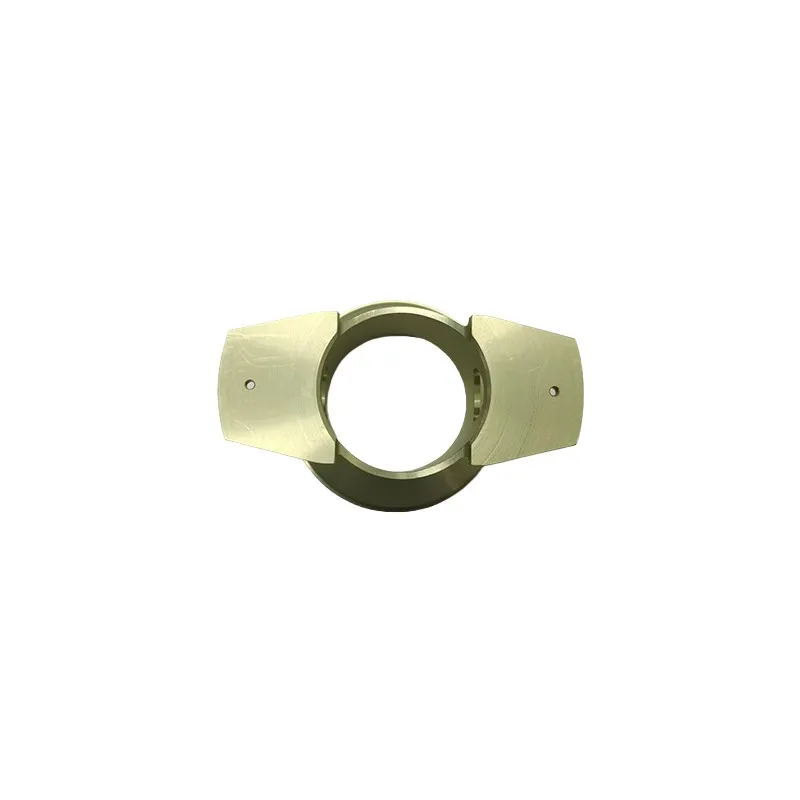
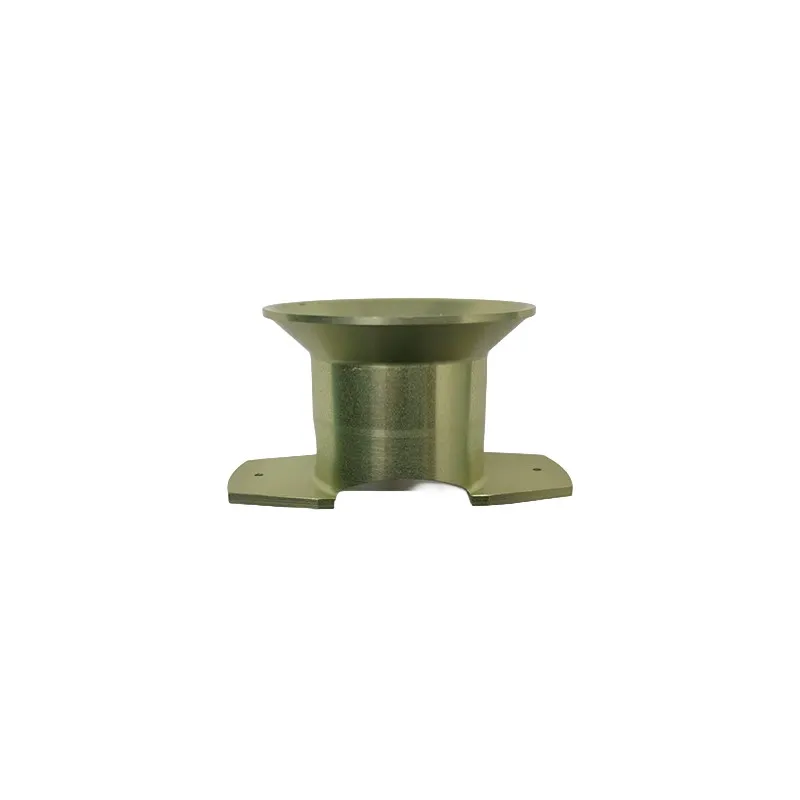
6. Quality Control
Implementing a robust quality control system is essential for maintaining high - quality CNC machined parts. This includes in - process inspections at various stages of the machining process. By detecting and correcting errors early, you can avoid rework and scrap, which can be time - consuming and costly.
Use advanced metrology equipment such as coordinate measuring machines (CMMs) to ensure the dimensional accuracy of the parts. Regularly calibrate these measurement tools to maintain their accuracy.
7. Utilize Automation
Automation can greatly enhance the productivity of CNC machining. Automated loading and unloading systems can reduce the time spent on manual handling of parts. This not only increases the machining time but also improves the consistency of the process.
Robotic arms can be used for tasks such as tool changing and part handling. They can work continuously without getting tired, leading to higher productivity. Additionally, automated inspection systems can quickly and accurately check the quality of the parts, reducing the need for manual inspection.
8. Collaboration with Suppliers
Building strong relationships with your material suppliers can also contribute to increased productivity. Work with suppliers who can provide high - quality materials on time. Negotiate favorable terms and delivery schedules to ensure a smooth supply chain.
Collaborate with suppliers to explore new materials and technologies. They may have insights into new materials that can improve the machining process or reduce costs.
In conclusion, improving the productivity of CNC machining for parts requires a comprehensive approach that includes tool selection, programming optimization, machine maintenance, workflow optimization, employee training, quality control, automation, and supplier collaboration. By implementing these strategies, you can increase the efficiency of your CNC machining operations and produce high - quality parts in a timely manner.
If you are interested in CNC Machined Parts or Reducer Output Shaft Processing, please feel free to contact us for procurement and negotiation. We are committed to providing you with the best products and services.
References
- Boothroyd, G., Dewhurst, P., & Knight, W. (2002). Product Design for Manufacture and Assembly. Marcel Dekker.
- Groover, M. P. (2010). Fundamentals of Modern Manufacturing: Materials, Processes, and Systems. Wiley.
- Dornfeld, D. A., Min, S., & Takeuchi, Y. (2006). Handbook of Machining with Cutting Tools. CRC Press.