
Are large pipe fittings resistant to abrasion? That's a question I get asked a lot as a supplier of large pipe fittings. In this blog, I'll share my insights based on years of experience in the industry.
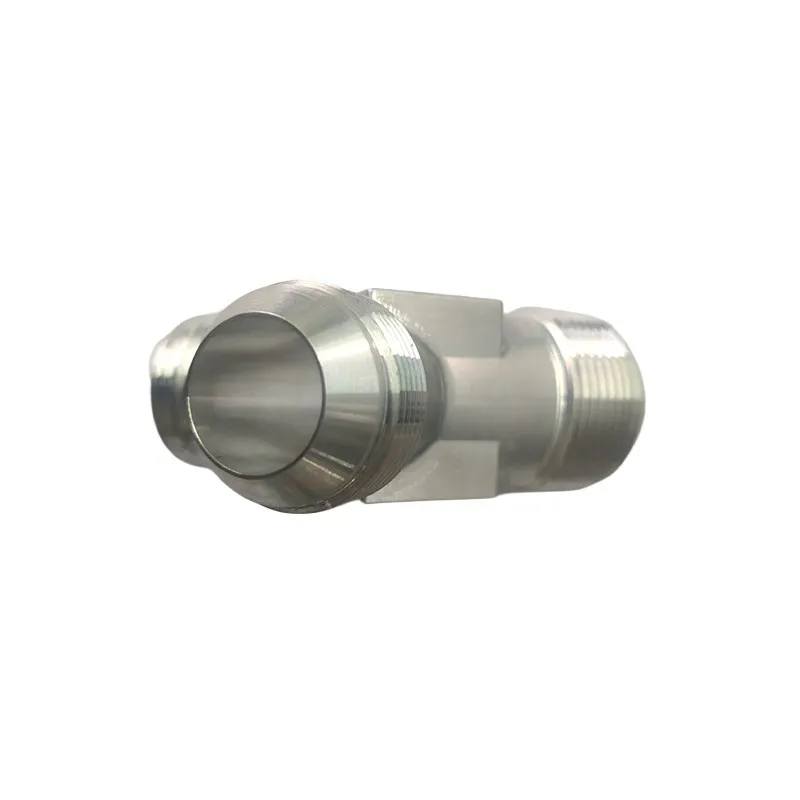

First off, let's understand what abrasion is. Abrasion is the wearing away of a material's surface due to friction caused by the movement of solid particles, liquids, or gases over it. When it comes to large pipe fittings, abrasion can be a major concern, especially in industries like mining, oil and gas, and power generation, where pipes carry abrasive substances such as sand, coal, and slurry.
So, are large pipe fittings resistant to abrasion? The answer is, it depends. There are several factors that determine a pipe fitting's abrasion resistance.
Material Matters
The material of the pipe fitting plays a crucial role in its abrasion resistance. For example, stainless steel is known for its good corrosion resistance, but its abrasion resistance can vary depending on the grade. Some high - alloy stainless steels are more abrasion - resistant than others. Cast iron, on the other hand, has relatively good abrasion resistance, especially in applications where it can form a protective oxide layer.
Ceramic - lined pipe fittings are also a popular choice for high - abrasion applications. Ceramics are extremely hard and can withstand a lot of wear and tear. They are often used in situations where the abrasive particles are very hard, like in coal - handling systems.
Design and Manufacturing
The design of the pipe fitting can also impact its abrasion resistance. A well - designed fitting with smooth internal surfaces can reduce the turbulence of the fluid or particles flowing through it. Turbulence can increase the abrasion rate because it causes the particles to hit the walls of the fitting more frequently.
Manufacturing processes also matter. Precision - made fittings with tight tolerances are less likely to have areas where particles can get stuck and cause excessive abrasion. For instance, a poorly welded joint can create rough spots inside the fitting, which can accelerate abrasion.
Application Conditions
The conditions under which the pipe fitting is used are a significant factor. The velocity of the fluid or particles flowing through the pipe is a key variable. Higher velocities generally lead to more abrasion because the particles hit the fitting walls with greater force.
The size and hardness of the abrasive particles also matter. Larger and harder particles will cause more abrasion than smaller, softer ones. The concentration of the abrasive particles in the fluid is another important consideration. A higher concentration means more particles are available to cause wear.
Our Product Range
As a large pipe fitting supplier, we offer a wide range of products to meet different abrasion - resistance needs. We have Swivel Joint Pipe Fittings that are designed to provide flexibility in the piping system while maintaining good abrasion resistance. These fittings are great for applications where the pipes need to move or rotate, and they can handle a certain level of abrasive flow.
Our Small Pipe Fittings are also available in materials and designs that offer varying degrees of abrasion resistance. They are suitable for applications where space is limited but still require reliable performance against abrasion.
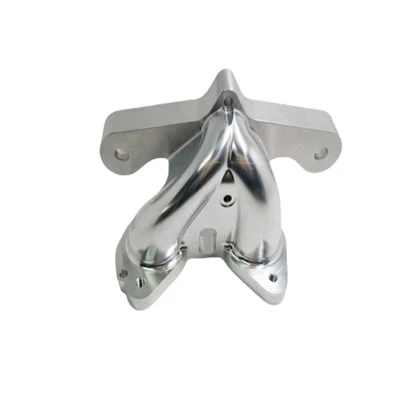
And our Y Junction Pipe Fitting is a unique product that can be used in systems where the flow needs to be split or combined. We've engineered these fittings to minimize abrasion at the junction point, ensuring a longer service life.
Testing and Quality Assurance
To ensure that our large pipe fittings are resistant to abrasion, we conduct rigorous testing. We use advanced testing methods to simulate real - world conditions and measure the wear rate of our fittings. This allows us to select the best materials and optimize the design for maximum abrasion resistance.
We also have a strict quality control process in place. Every fitting that leaves our facility is inspected to ensure it meets our high - quality standards. This way, our customers can be confident that they are getting a product that will perform well in their abrasive applications.
How to Choose the Right Fittings
When choosing large pipe fittings for an abrasive application, it's important to consider the specific requirements of your system. You need to know the type of abrasive material, its size and hardness, the flow velocity, and the operating temperature. Based on these factors, you can select the most appropriate material and design for your pipe fittings.
If you're not sure which fitting is right for you, don't hesitate to reach out to us. Our team of experts is always ready to help you make the best choice.
Conclusion
In conclusion, large pipe fittings can be resistant to abrasion, but it depends on the material, design, manufacturing, and application conditions. As a supplier, we are committed to providing high - quality, abrasion - resistant pipe fittings to our customers. Whether you're in the mining, oil and gas, or power generation industry, we have the products and expertise to meet your needs.
If you're interested in purchasing large pipe fittings for your project, or if you have any questions about abrasion resistance, feel free to contact us. We're looking forward to discussing your requirements and helping you find the perfect solution for your piping system.
References
- "Handbook of Abrasive Wear" by M. N. G. Choudhury and A. R. Horne
- "Piping Handbook" by Cameron Engineering and Associates