
When it comes to designing and implementing a sprinkler system, one of the key considerations is the choice of pipe fittings. Among the various types of fittings available, the Y junction pipe fitting is a common option that often sparks discussions about its suitability for sprinkler systems. As a supplier of Y Junction Pipe Fittings, I have had the opportunity to work closely with customers in the field of sprinkler system installation and maintenance. In this blog post, I will explore the question of whether a Y junction pipe fitting can be used in a sprinkler system, taking into account various factors such as flow characteristics, pressure requirements, and system design.
Understanding the Basics of Y Junction Pipe Fittings
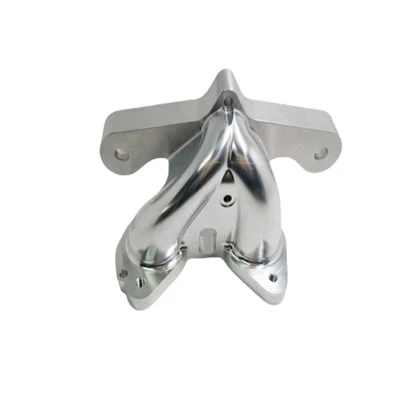
A Y junction pipe fitting, as the name suggests, has a shape resembling the letter "Y". It is used to split a single pipe into two or more branches, allowing the flow of fluid to be divided in different directions. Y junction fittings are available in a variety of materials, including brass, stainless steel, and PVC, and they come in different sizes to accommodate various pipe diameters.
One of the main advantages of using a Y junction pipe fitting is its ability to provide a simple and efficient way to distribute fluid in a system. By splitting the flow into multiple branches, it can help to ensure that water or other fluids are evenly distributed to different areas of the sprinkler system. This can be particularly useful in large-scale sprinkler systems where a single pipe may not be able to provide sufficient coverage.
Flow Characteristics and Pressure Considerations
When considering the use of a Y junction pipe fitting in a sprinkler system, it is important to understand the flow characteristics and pressure requirements of the system. The flow rate and pressure in a sprinkler system are crucial factors that determine the effectiveness of the system in delivering water to the desired areas.
The flow rate through a Y junction fitting is influenced by several factors, including the size of the fitting, the angle of the branches, and the pressure of the fluid. In general, a larger fitting will allow for a higher flow rate, while a smaller fitting may restrict the flow. The angle of the branches also plays a role in determining the flow distribution. A wider angle between the branches will result in a more even distribution of flow, while a narrower angle may cause the flow to be concentrated in one branch.
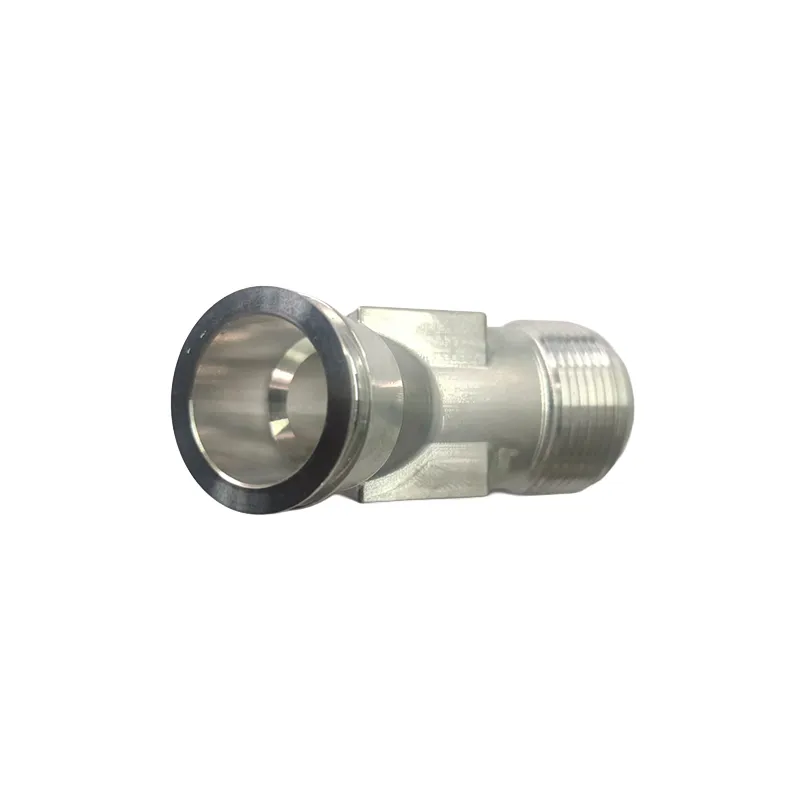
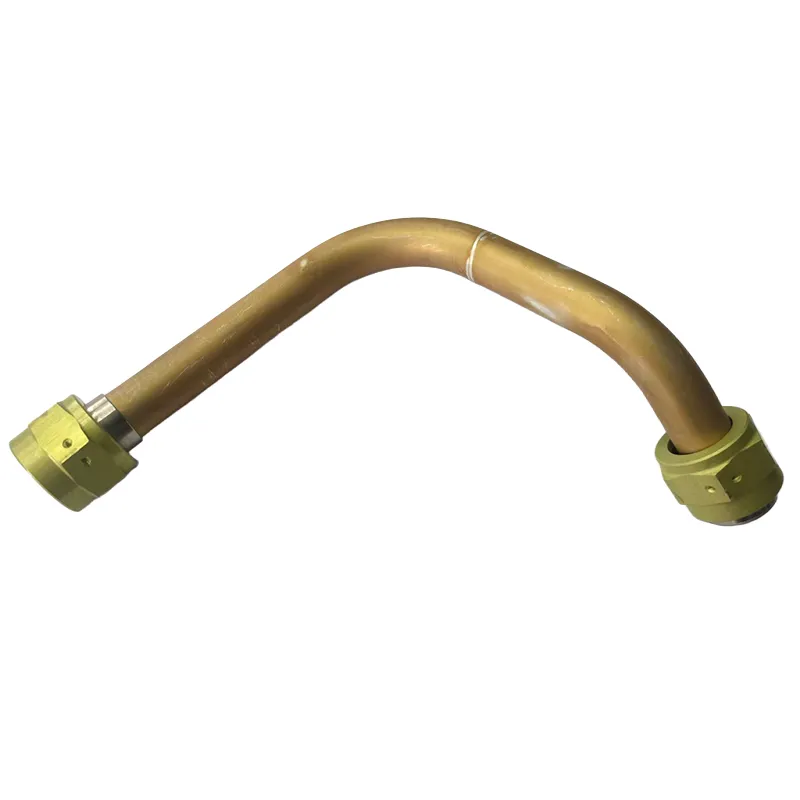
Pressure is another important consideration when using a Y junction fitting in a sprinkler system. The pressure in the system must be sufficient to overcome the resistance of the fitting and ensure that water is delivered to the sprinkler heads at the required pressure. If the pressure is too low, the sprinkler heads may not function properly, resulting in uneven coverage or reduced effectiveness. On the other hand, if the pressure is too high, it can cause damage to the fitting or the sprinkler heads.
System Design and Compatibility
In addition to flow characteristics and pressure considerations, the design of the sprinkler system and the compatibility of the Y junction fitting with other components of the system are also important factors to consider. The layout of the system, the number and type of sprinkler heads, and the overall water demand all need to be taken into account when selecting a Y junction fitting.
The Y junction fitting should be compatible with the other components of the sprinkler system, such as the pipes, valves, and sprinkler heads. It should be able to withstand the pressure and temperature conditions of the system and be resistant to corrosion and other forms of damage. Additionally, the fitting should be easy to install and maintain, and it should be able to provide a reliable and leak-free connection.
Advantages of Using Y Junction Pipe Fittings in Sprinkler Systems
Despite the challenges and considerations mentioned above, there are several advantages to using Y junction pipe fittings in sprinkler systems. Here are some of the key benefits:
- Efficient Flow Distribution: Y junction fittings can help to distribute water evenly to different areas of the sprinkler system, ensuring that all areas receive adequate coverage. This can improve the overall effectiveness of the system and reduce the risk of dry spots or overwatering.
- Flexibility in System Design: Y junction fittings provide flexibility in the design of the sprinkler system. They can be used to split the flow in different directions, allowing for the creation of complex layouts and the adaptation of the system to different environments and requirements.
- Cost-Effective Solution: Y junction fittings are generally more cost-effective than other types of fittings, such as T junctions or elbows. They can help to reduce the overall cost of the sprinkler system without sacrificing performance.
- Easy Installation and Maintenance: Y junction fittings are relatively easy to install and maintain. They can be connected to the pipes using standard methods, such as threaded connections or soldering, and they can be easily replaced if necessary.
Considerations and Limitations
While Y junction pipe fittings offer several advantages, there are also some considerations and limitations that need to be taken into account. Here are some of the key points to keep in mind:
- Flow Restriction: Depending on the size and design of the Y junction fitting, it may cause some flow restriction. This can result in a decrease in the flow rate and pressure in the system, which may affect the performance of the sprinkler heads.
- Pressure Drop: The use of a Y junction fitting can also cause a pressure drop in the system. This is due to the increased resistance to flow caused by the fitting. The pressure drop should be carefully considered when designing the system to ensure that the sprinkler heads receive the required pressure.
- Compatibility Issues: As mentioned earlier, the Y junction fitting should be compatible with the other components of the sprinkler system. Incompatibility can lead to leaks, reduced performance, or even system failure.
- Installation Requirements: Proper installation of the Y junction fitting is crucial to ensure its performance and reliability. The fitting should be installed according to the manufacturer's instructions and in compliance with relevant codes and standards.
Conclusion
In conclusion, a Y junction pipe fitting can be used in a sprinkler system, but it is important to carefully consider the flow characteristics, pressure requirements, system design, and compatibility issues. When used correctly, Y junction fittings can provide an efficient and cost-effective solution for distributing water in a sprinkler system. However, it is essential to work with a qualified professional who has experience in designing and installing sprinkler systems to ensure that the system meets the specific requirements of the application.
If you are interested in learning more about Y junction pipe fittings or other types of Swivel Joint Pipe Fittings and Large Pipe Fittings for your sprinkler system, please visit our website at Y Junction Pipe Fitting. We are a leading supplier of high-quality pipe fittings and can provide you with the expertise and support you need to design and implement a successful sprinkler system. Contact us today to discuss your requirements and explore the options available to you.
References
- ASPE. (2019). Plumbing Engineering Design Handbook. American Society of Plumbing Engineers.
- NFPA. (2019). NFPA 13: Standard for the Installation of Sprinkler Systems. National Fire Protection Association.
- Pipe Fittings Handbook. (2018). McGraw-Hill.