
Are small pipe fittings compatible with different pipe materials?
As a supplier of Small Pipe Fittings, I often encounter questions from customers about the compatibility of small pipe fittings with different pipe materials. This is a crucial topic, as the proper matching of fittings and pipes can significantly impact the performance, safety, and longevity of a piping system.
Understanding Pipe Materials and Their Characteristics
Before delving into the compatibility of small pipe fittings, it's essential to understand the common pipe materials and their unique properties.
1. PVC (Polyvinyl Chloride) Pipes
PVC pipes are widely used in various applications, including plumbing, drainage, and irrigation. They are lightweight, corrosion - resistant, and relatively inexpensive. PVC pipes are known for their smooth interior surface, which reduces friction and allows for efficient fluid flow. However, they have a limited temperature range and may become brittle in cold conditions.
2. Copper Pipes
Copper pipes have been a popular choice for plumbing systems for many years. They are highly durable, resistant to corrosion, and can withstand high temperatures. Copper pipes are also known for their excellent heat transfer properties, making them suitable for hot water systems. However, copper is a relatively expensive material, and it may react with certain chemicals in the water.
3. Steel Pipes
Steel pipes are strong and can handle high pressures. They are commonly used in industrial applications, such as oil and gas pipelines. Steel pipes can be galvanized to prevent corrosion, but they are heavier than PVC and copper pipes and may require more support.
4. PE (Polyethylene) Pipes
PE pipes are flexible, lightweight, and resistant to chemicals. They are often used in water supply systems, especially in rural areas. PE pipes are easy to install and have a long service life. However, they may not be suitable for high - pressure applications.
Compatibility of Small Pipe Fittings with Different Pipe Materials
1. PVC Fittings and PVC Pipes
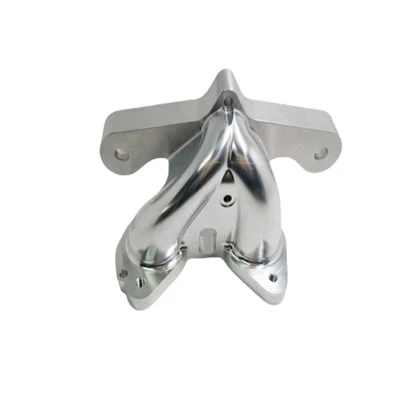
PVC fittings are specifically designed to be compatible with PVC pipes. They are typically joined using solvent cement, which creates a strong and leak - proof bond. The fittings are available in various shapes and sizes, such as elbows, tees, and couplings. 3 Way Elbow Connector and Y Junction Pipe Fitting made of PVC are commonly used to change the direction of the pipe or split the flow.
2. Copper Fittings and Copper Pipes
Copper fittings are usually joined to copper pipes using soldering. The high - temperature soldering process creates a permanent and reliable connection. Copper fittings come in different configurations, including elbows, unions, and adapters. They are designed to withstand the high temperatures and pressures associated with copper pipes.
3. Steel Fittings and Steel Pipes
Steel fittings are joined to steel pipes using welding or threaded connections. Welding provides a strong and permanent bond, while threaded connections allow for easier installation and disassembly. Steel fittings are available in a wide range of sizes and shapes to meet the needs of different industrial applications.
4. Compatibility between Different Materials
In some cases, it may be necessary to connect pipes made of different materials. For example, a PVC pipe may need to be connected to a copper pipe. In such situations, special transition fittings are used. These fittings are designed to accommodate the different properties of the two materials and ensure a secure and leak - free connection. However, it's important to note that not all combinations of materials are compatible. For instance, direct contact between copper and steel in the presence of an electrolyte (such as water) can cause galvanic corrosion.
Factors Affecting Compatibility
1. Chemical Compatibility
The chemicals present in the fluid flowing through the pipes can affect the compatibility of the fittings and pipes. For example, some chemicals may react with certain materials, causing corrosion or degradation. It's important to choose fittings and pipes that are resistant to the specific chemicals in the system.
2. Temperature and Pressure
The operating temperature and pressure of the piping system also play a crucial role in determining compatibility. Some materials may not be able to withstand high temperatures or pressures, which can lead to leaks or failures. It's essential to select fittings and pipes that are rated for the specific temperature and pressure conditions of the system.
3. Installation Method
The installation method can also impact the compatibility of the fittings and pipes. Improper installation can lead to leaks, weak connections, and premature failure. It's important to follow the manufacturer's instructions carefully when installing the fittings and pipes.
Ensuring Compatibility
As a supplier of small pipe fittings, we take several steps to ensure the compatibility of our products with different pipe materials.
1. Material Selection
We carefully select the materials for our fittings based on their compatibility with common pipe materials. Our PVC fittings are made from high - quality PVC resin that is designed to bond well with PVC pipes. Our copper fittings are made from pure copper or copper alloys that are suitable for soldering to copper pipes.
2. Testing and Certification
We conduct rigorous testing on our fittings to ensure their performance and compatibility. Our products are tested for pressure resistance, chemical resistance, and leak - tightness. We also obtain relevant certifications to demonstrate the quality and reliability of our products.
3. Technical Support
We provide technical support to our customers to help them choose the right fittings for their specific applications. Our team of experts can answer questions about compatibility, installation, and maintenance.
Conclusion
In conclusion, the compatibility of small pipe fittings with different pipe materials is a complex but important issue. By understanding the properties of different pipe materials, the factors affecting compatibility, and taking appropriate measures to ensure compatibility, we can ensure the safe and efficient operation of piping systems.
If you are in need of high - quality small pipe fittings, we invite you to contact us for a detailed discussion about your requirements. Our team is ready to assist you in selecting the right fittings for your project and providing you with the best solutions.
References
- "Handbook of Pipe Fittings" by James E. Shigley and Charles R. Mischke.
- "Plumbing Engineering Design and Practice" by John W. Hendrix.