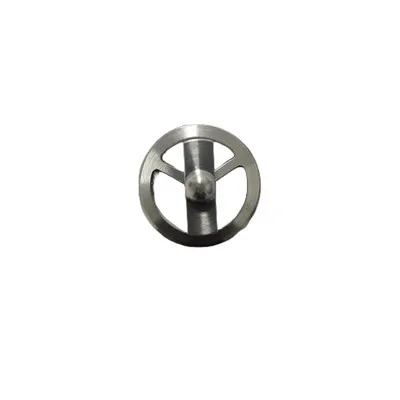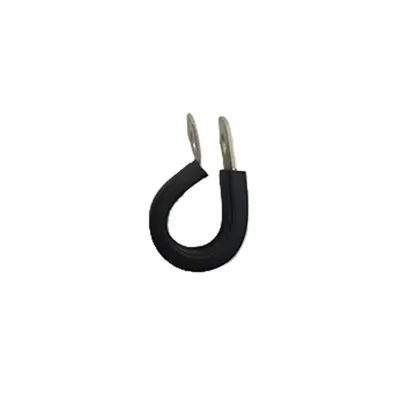

Hey there! As a supplier in the field of Mechanical Parts Processing, I'm super excited to share with you the common materials used in this industry.
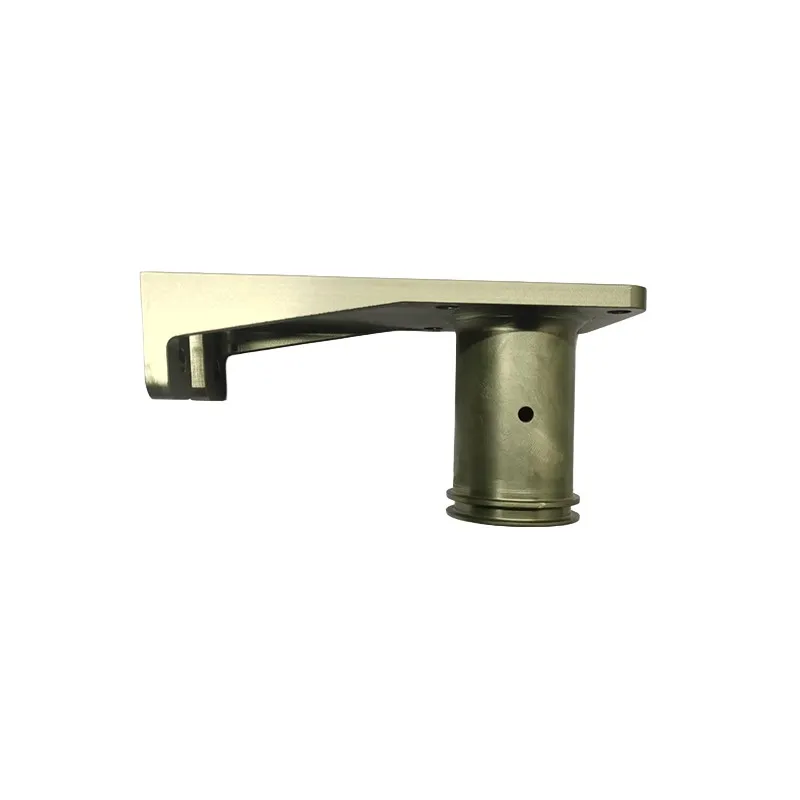
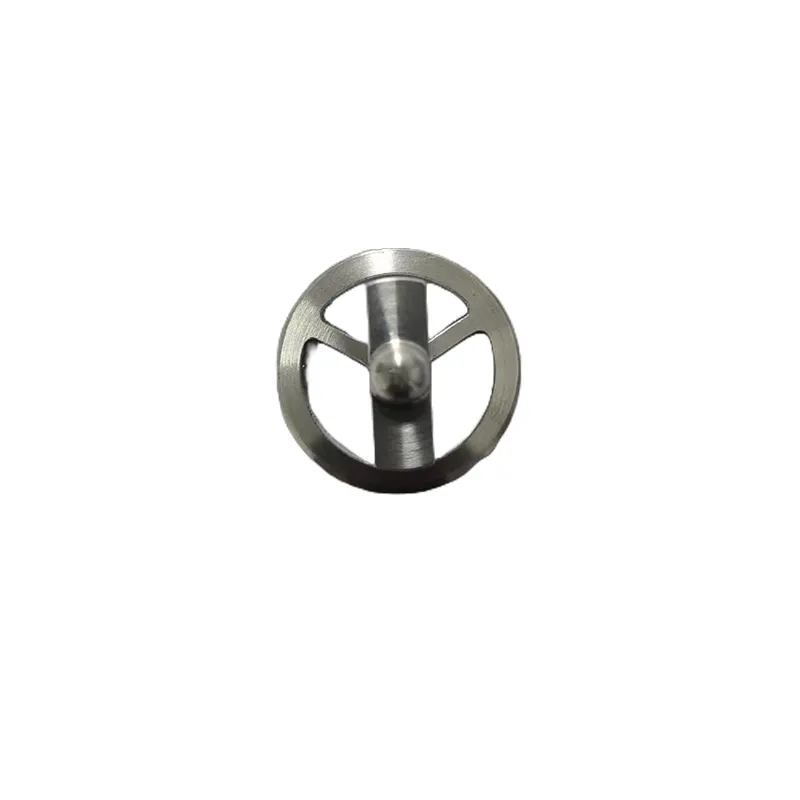
First off, let's talk about metals. Metals are like the rock - stars of mechanical parts processing. They're strong, durable, and can be shaped into all sorts of cool things.
One of the most widely - used metals is steel. Steel is amazing because it comes in so many different types. There's carbon steel, which is tough and great for making parts that need to withstand a lot of stress, like gears and shafts. Alloy steel is another type. It has other elements mixed in, like chromium and nickel, which give it extra properties such as corrosion resistance. For example, in a Mechanical Parts Processing project, we often use alloy steel for parts that are exposed to harsh environments.
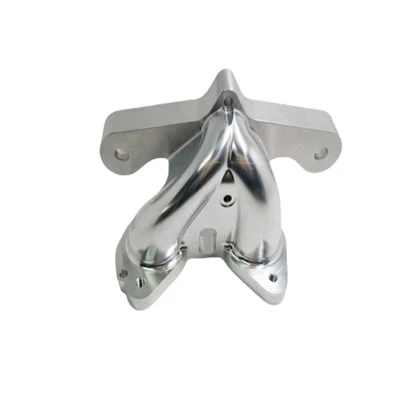
Aluminum is also a big player. It's lightweight, which is a huge advantage in many applications, especially in the aerospace and automotive industries. Think about airplane wings or car engine parts. Aluminum is easy to machine, and it has good corrosion resistance. We've done a lot of projects using aluminum for Valve Body CNC Machining. The valve bodies made from aluminum are not only light but also can function well under high - pressure conditions.
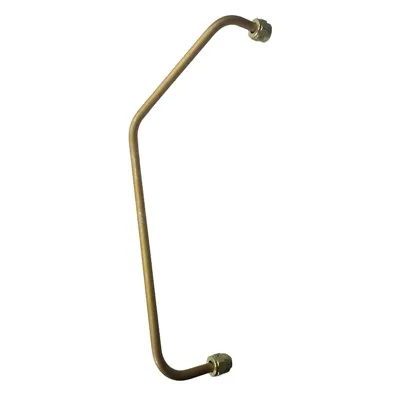
Copper and its alloys, like brass and bronze, are also commonly used. Copper has excellent electrical conductivity, so it's often used in electrical components. Brass, which is an alloy of copper and zinc, is known for its good machinability and corrosion resistance. It's used in plumbing fittings and decorative parts. Bronze, on the other hand, is an alloy of copper and tin. It's strong and has good wear resistance, making it suitable for bearings and bushings.
Now, let's move on to plastics. Plastics have become increasingly popular in mechanical parts processing. They're lightweight, cost - effective, and can be molded into complex shapes easily.
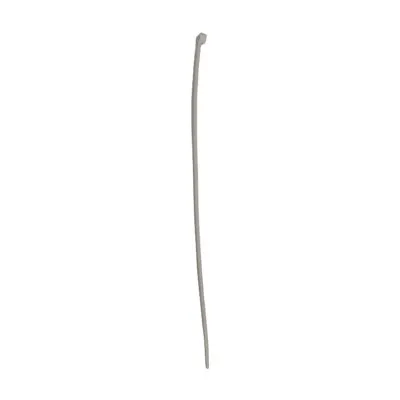
Polyethylene is a common plastic. It's tough, flexible, and has good chemical resistance. We use it for making parts like containers and pipes. Polypropylene is another one. It's similar to polyethylene but has better heat resistance. It's often used in automotive interiors and food packaging.
Acrylonitrile Butadiene Styrene (ABS) is a well - known plastic. It's strong, rigid, and has good impact resistance. You'll find ABS in many consumer products, like computer cases and toys. In our CNC Machining Of Die Castings projects, we sometimes use ABS for making small, intricate parts.
Then there are ceramics. Ceramics are super hard and have high heat resistance. They're used in applications where other materials would fail. For example, in high - temperature engines, ceramic parts can withstand extreme heat without deforming. They're also used in cutting tools because of their hardness. However, ceramics can be brittle, so they need to be carefully designed and processed.
Composites are also worth mentioning. Composites are made by combining two or more different materials to get the best properties of each. For example, carbon fiber composites are extremely strong and lightweight. They're used in high - performance sports equipment, like tennis rackets and bicycles. Glass fiber composites are also common. They're used in things like boat hulls and automotive body parts.
When it comes to choosing the right material for a mechanical part, there are several factors to consider. The first is the function of the part. If it needs to be strong and durable, metals might be the way to go. If weight is a concern, plastics or composites could be better. The environment in which the part will operate is also important. If it's going to be exposed to high temperatures, ceramics or heat - resistant metals are a good choice. And of course, cost is always a factor. Some materials are more expensive than others, so we need to balance the performance requirements with the budget.
As a Mechanical Parts Processing supplier, we have a lot of experience in working with these different materials. We know how to choose the right material for each project and how to process it to get the best results. Whether you need a simple part made from steel or a complex component made from a composite material, we've got you covered.
If you're in the market for mechanical parts, I'd love to have a chat with you. We can discuss your specific needs, and I'm sure we can come up with the perfect solution for your project. Don't hesitate to reach out and start a conversation about your procurement needs.
References:
- "Materials Science and Engineering: An Introduction" by William D. Callister Jr. and David G. Rethwisch
- "Manufacturing Engineering and Technology" by Serope Kalpakjian and Steven R. Schmid