
In the highly competitive field of mechanical parts processing, ensuring the form accuracy of parts is crucial. As a supplier in the mechanical parts processing industry, we understand the significance of precision and the impact it has on the performance and functionality of mechanical components. This blog post will explore various strategies and techniques that can be employed to improve the form accuracy of mechanical parts during the processing phase.
Understanding the Importance of Form Accuracy
Form accuracy refers to the degree to which a machined part conforms to the specified geometric shape and dimensions. High form accuracy is essential for several reasons. Firstly, it ensures the proper fit and assembly of parts, which is critical for the overall functionality of mechanical systems. Secondly, accurate parts reduce the risk of premature wear and failure, leading to increased reliability and longevity. Finally, precision machining can enhance the aesthetic appeal of products, which is particularly important in industries where appearance matters.
Factors Affecting Form Accuracy
Several factors can influence the form accuracy of mechanical parts during processing. These include:
- Machine Tool Accuracy: The accuracy of the machine tool itself is a fundamental factor. Modern CNC machines offer high precision and repeatability, but they still require regular calibration and maintenance to ensure optimal performance.
- Cutting Tools: The quality and condition of cutting tools play a significant role in form accuracy. Dull or worn tools can cause poor surface finish and dimensional inaccuracies. Selecting the right cutting tools for the specific material and machining operation is crucial.
- Workpiece Material: Different materials have different machining characteristics. Some materials are more difficult to machine accurately than others due to factors such as hardness, ductility, and thermal conductivity. Understanding the properties of the workpiece material is essential for achieving high form accuracy.
- Cutting Parameters: The cutting parameters, such as cutting speed, feed rate, and depth of cut, have a direct impact on form accuracy. Optimizing these parameters can help reduce cutting forces, minimize tool wear, and improve surface finish.
- Fixture Design: A well-designed fixture is essential for holding the workpiece securely during machining. Improper fixture design can lead to workpiece movement or vibration, resulting in form errors.
Strategies to Improve Form Accuracy
1. Machine Tool Calibration and Maintenance
Regular calibration and maintenance of machine tools are essential for ensuring their accuracy. This includes checking and adjusting the alignment of the axes, verifying the accuracy of the spindle, and calibrating the measuring systems. By keeping the machine tool in optimal condition, we can minimize the sources of error and improve form accuracy.
2. Selection of High-Quality Cutting Tools
Investing in high-quality cutting tools is crucial for achieving high form accuracy. We should choose cutting tools that are specifically designed for the material and machining operation. Additionally, proper tool handling and storage can help extend the tool life and maintain its performance.
3. Optimization of Cutting Parameters
Optimizing the cutting parameters is a key strategy for improving form accuracy. This involves finding the right balance between cutting speed, feed rate, and depth of cut to minimize cutting forces and tool wear. We can use cutting simulation software to predict the cutting performance and optimize the parameters before actual machining.
4. Advanced Machining Techniques
Advanced machining techniques, such as high-speed machining and multi-axis machining, can significantly improve form accuracy. High-speed machining allows for faster cutting speeds and reduced cutting forces, resulting in better surface finish and dimensional accuracy. Multi-axis machining enables the machining of complex shapes with high precision.
5. Quality Control and Inspection
Implementing a comprehensive quality control system is essential for ensuring form accuracy. This includes regular inspection of the machined parts using precision measuring instruments, such as coordinate measuring machines (CMMs). By detecting and correcting any form errors early in the process, we can prevent the production of defective parts.
Non-standard Machining and CNC Machining
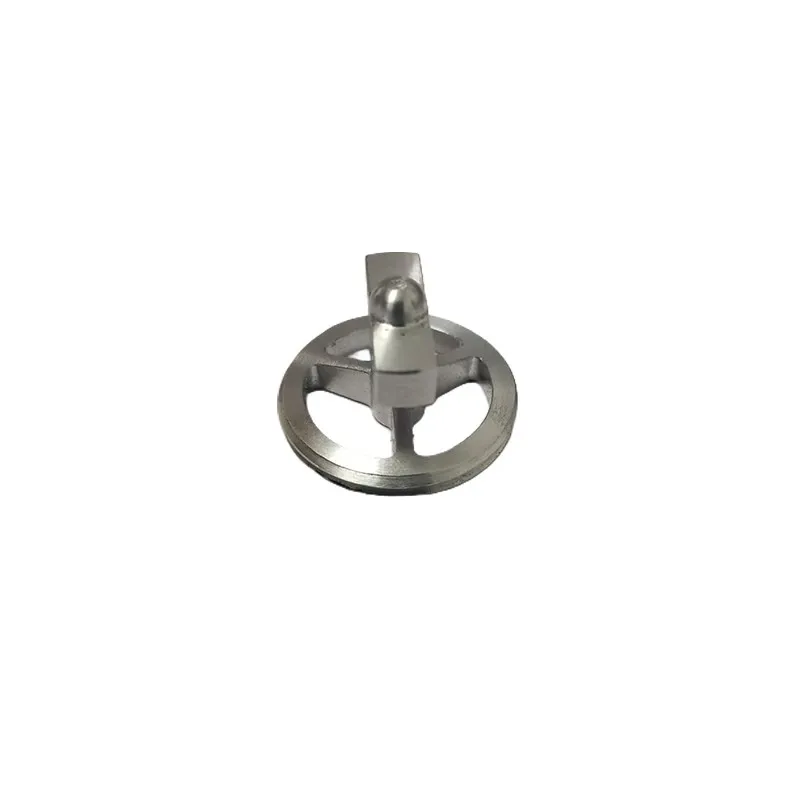
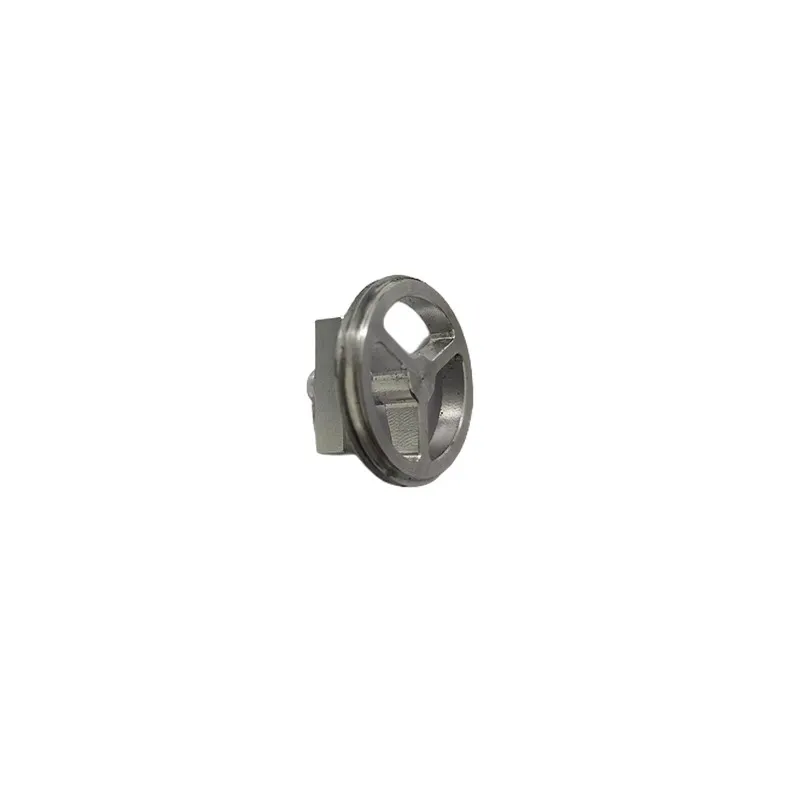
In addition to the above strategies, we also offer Non-standard Machining and CNC Machining Of Die Castings services. Non-standard machining allows us to produce parts with unique shapes and dimensions that cannot be achieved through standard machining processes. CNC machining of die castings offers high precision and repeatability, making it ideal for the production of complex parts.
CNC Machined Parts
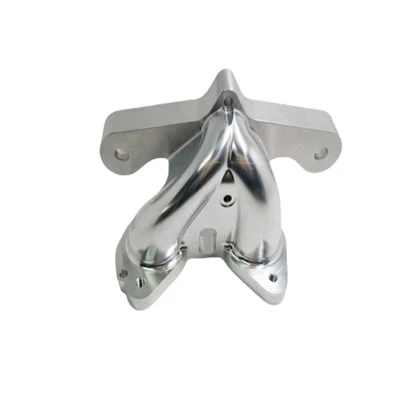
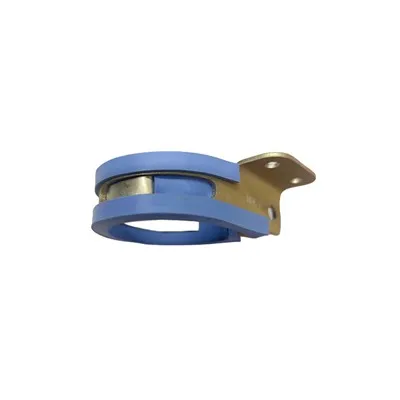
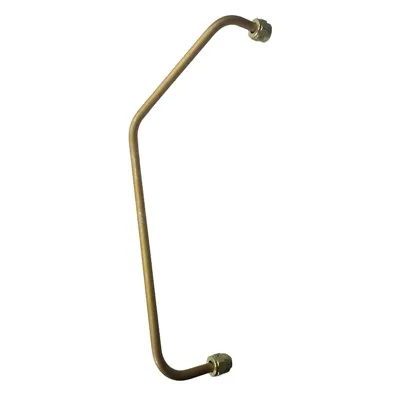
Our CNC Machined Parts are known for their high quality and precision. We use state-of-the-art CNC machines and advanced machining techniques to ensure the form accuracy of our parts. Whether you need small batch production or large-scale manufacturing, we can meet your requirements.
Conclusion
Improving the form accuracy of mechanical parts during processing is a complex and challenging task. However, by understanding the factors that affect form accuracy and implementing the appropriate strategies, we can achieve high precision and quality in our products. As a mechanical parts processing supplier, we are committed to providing our customers with the best possible solutions. If you are looking for high-quality mechanical parts with excellent form accuracy, please contact us for a consultation. We look forward to working with you to meet your machining needs.
References
- Smith, J. (2018). Precision Machining: Principles and Applications. New York: McGraw-Hill.
- Brown, A. (2019). Advanced Machining Technologies. London: Elsevier.
- Johnson, R. (2020). Quality Control in Manufacturing. Chicago: Pearson.