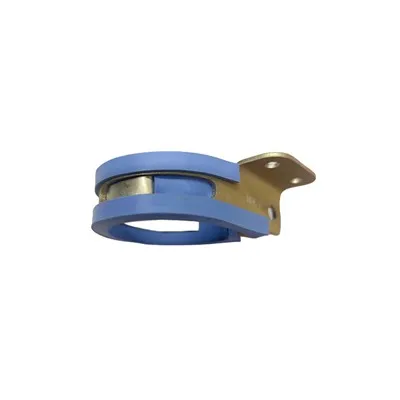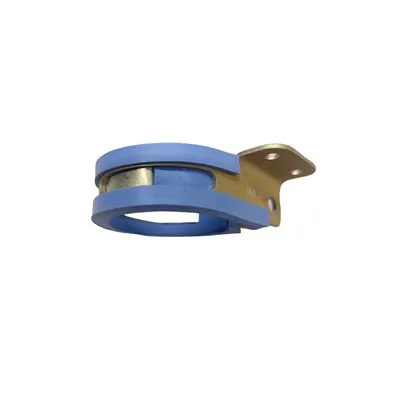

As a supplier of Rubber Coated Cable Clamps, I often get asked about the lifespan of these essential components. Understanding how long rubber coated cable clamps last is crucial for both our customers and us. It not only impacts the performance and safety of electrical systems but also influences purchasing decisions. In this blog post, I'll delve into the factors that affect the longevity of rubber coated cable clamps and provide some insights based on our experience in the industry.
Factors Affecting the Lifespan of Rubber Coated Cable Clamps
1. Quality of Materials
The quality of the rubber and the metal used in the cable clamps plays a significant role in determining their lifespan. High - quality rubber compounds are more resistant to environmental factors such as heat, cold, UV radiation, and chemical exposure. For example, if the rubber is made from a high - grade synthetic rubber like EPDM (Ethylene Propylene Diene Monomer), it can withstand a wide range of temperatures, from - 40°C to 120°C. This makes it suitable for both indoor and outdoor applications.
On the other hand, the metal part of the clamp, usually steel or aluminum, should be corrosion - resistant. Galvanized steel is a popular choice as it has a protective zinc coating that prevents rusting. A well - made rubber coated cable clamp with high - quality materials can last for many years, even in harsh conditions.
2. Environmental Conditions
The environment in which the cable clamps are used has a direct impact on their lifespan. In outdoor settings, they are exposed to sunlight, rain, snow, and extreme temperatures. UV radiation from the sun can cause the rubber to degrade over time, making it brittle and prone to cracking. Moisture can also lead to corrosion of the metal parts.
In industrial environments, cable clamps may be exposed to chemicals, oils, and solvents. These substances can react with the rubber and metal, causing damage. For instance, some solvents can dissolve the rubber, while certain chemicals can accelerate the corrosion of the metal. In contrast, indoor environments are generally more controlled, and cable clamps may last longer.
3. Installation and Usage
Proper installation is essential for the long - term performance of rubber coated cable clamps. If the clamps are not installed correctly, they may not provide a secure hold on the cables. This can lead to excessive movement of the cables, which in turn can cause wear and tear on the clamps. For example, if the clamp is not tightened enough, the cable may slip, and if it is over - tightened, it can damage the rubber coating.

The frequency of use and the load on the cables also affect the lifespan of the clamps. If the cables are frequently moved or if they carry a heavy load, the clamps will experience more stress. This can lead to premature failure of the rubber coating or the metal parts.
Typical Lifespan of Rubber Coated Cable Clamps
Based on our experience and industry standards, rubber coated cable clamps can last anywhere from 5 to 20 years. In a relatively mild indoor environment with proper installation and usage, they can last up to 20 years. However, in harsh outdoor or industrial environments, the lifespan may be reduced to 5 - 10 years.
It's important to note that these are just estimates, and the actual lifespan can vary depending on the specific factors mentioned above. Regular inspection and maintenance can help extend the lifespan of the cable clamps. For example, checking for signs of wear, such as cracks in the rubber or corrosion on the metal, and replacing the clamps when necessary can prevent more serious problems.
Extending the Lifespan of Rubber Coated Cable Clamps
1. Choose the Right Clamps
Selecting the appropriate rubber coated cable clamps for your application is crucial. Consider the environmental conditions, the size and type of cables, and the load requirements. For example, if you are using the clamps in a high - temperature environment, choose clamps with a rubber compound that can withstand high temperatures. You can find a variety of suitable clamps on our website, such as Rubber Coated Cable Clamps.
2. Proper Installation
Follow the manufacturer's installation instructions carefully. Make sure the clamps are tightened to the correct torque. This will ensure a secure hold on the cables and prevent unnecessary stress on the clamps.
3. Regular Maintenance
Inspect the cable clamps regularly for signs of wear and tear. Clean them if they are dirty or contaminated. If you notice any damage, replace the clamps immediately. This will help prevent cable failures and ensure the safety of your electrical system.
Related Products
In addition to rubber coated cable clamps, we also offer other rubber - related products that can be used in conjunction with cable clamps. These include Rubber Cushioned Cable Clamp, which provides additional protection for the cables, Unitized Seal, which can be used to seal cables and prevent moisture and dust ingress, and Rubber Gland Seal, which is useful for sealing cable entries in enclosures. We also have Small Rubber Clamps for applications where smaller clamps are required.
Conclusion
The lifespan of rubber coated cable clamps depends on several factors, including the quality of materials, environmental conditions, and installation and usage. By choosing high - quality clamps, installing them correctly, and performing regular maintenance, you can extend their lifespan and ensure the reliable performance of your electrical systems.
If you are interested in purchasing rubber coated cable clamps or any of our other rubber - related products, please feel free to contact us for more information and to discuss your specific requirements. We are committed to providing high - quality products and excellent customer service.
References
- ASTM International. (20XX). Standards for rubber materials used in electrical applications.
- Industry reports on cable management and rubber product durability.