
Removing a stuck small pipe fitting can be a frustrating task, but with the right techniques and tools, it can be accomplished efficiently. As a supplier of small pipe fittings, I've encountered numerous situations where customers have faced challenges with stuck fittings. In this blog, I'll share some effective methods to help you remove a stuck small pipe fitting.
Understanding the Reasons for a Stuck Fitting
Before attempting to remove a stuck pipe fitting, it's essential to understand why it's stuck. There are several common reasons:
- Corrosion: Over time, metal pipe fittings can corrode, causing them to seize up. This is especially common in areas with high humidity or where the pipes are exposed to chemicals.
- Thread Sealer: When installing pipe fittings, thread sealant is often used to prevent leaks. However, if too much sealant is applied or if it dries out, it can make the fitting difficult to remove.
- Rust and Debris: Rust and debris can accumulate inside the pipe or around the fitting, making it difficult to turn.
- Over - Tightening: If the fitting was tightened too much during installation, it can be challenging to loosen.
Tools You'll Need
To remove a stuck small pipe fitting, you'll need the following tools:
- Pipe Wrench: A pipe wrench is a must - have tool for removing pipe fittings. Make sure to choose a wrench that is the appropriate size for the fitting.
- Adjustable Wrench: An adjustable wrench can be useful for smaller fittings or in situations where a pipe wrench won't fit.
- Penetrating Oil: Penetrating oil, such as WD - 40, can help loosen rust and corrosion. Spray the oil around the fitting and let it sit for a few hours or overnight.
- Heat Gun or Torch: In some cases, applying heat to the fitting can expand the metal and make it easier to remove. However, be careful when using a heat gun or torch, as overheating can damage the pipes.
- Hacksaw or Pipe Cutter: If all else fails, you may need to cut the fitting off. A hacksaw or pipe cutter can be used for this purpose.
Step - by - Step Removal Process
Step 1: Apply Penetrating Oil
Start by spraying penetrating oil around the base of the fitting. Make sure to spray the oil into the threads and let it soak in for at least 15 - 30 minutes. You can also tap the fitting gently with a hammer to help the oil penetrate deeper. If the fitting is extremely stuck, you may need to let the oil sit overnight.
Step 2: Use a Pipe Wrench or Adjustable Wrench
Once the oil has had time to work, try using a pipe wrench or adjustable wrench to turn the fitting counter - clockwise. Make sure to grip the fitting firmly to prevent it from slipping. If the fitting still doesn't turn, try applying more force gradually, but be careful not to over - tighten the wrench and damage the fitting or the pipe.

Step 3: Apply Heat (If Necessary)
If the fitting is still stuck after using the penetrating oil and the wrench, you can try applying heat. Use a heat gun or a torch to heat the fitting evenly. As the metal expands, it may become easier to turn. However, be cautious not to overheat the pipe, as this can cause it to warp or crack. Keep a fire extinguisher nearby in case of an emergency.
Step 4: Cut the Fitting (As a Last Resort)
If all other methods have failed, you may need to cut the fitting off. Use a hacksaw or a pipe cutter to cut through the fitting. Make sure to measure carefully and cut as close to the fitting as possible to minimize damage to the pipe. After cutting the fitting, you can remove the remaining pieces and replace the fitting with a new one.
Tips for Preventing Stuck Fittings
To avoid future problems with stuck pipe fittings, consider the following tips:
- Proper Installation: Make sure to install the fittings correctly, using the right amount of thread sealant. Don't over - tighten the fittings.
- Regular Maintenance: Inspect your pipes and fittings regularly for signs of corrosion or damage. Clean the pipes and fittings to prevent the buildup of rust and debris.
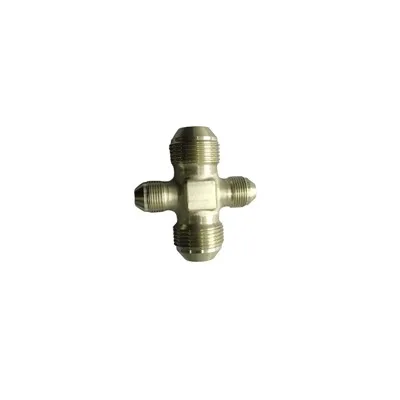
- Use Quality Fittings: As a supplier of small pipe fittings, I recommend using high - quality fittings. We offer a wide range of products, including 4 Way Elbow Pipe Fitting, Elbow Reducer Pipe, 3 Way Elbow Connector, Tabel Elbow 45, and Stack Pipe Fittings. Our fittings are made from durable materials that are resistant to corrosion and wear.
Conclusion
Removing a stuck small pipe fitting can be a challenging task, but by following the steps outlined in this blog and using the right tools, you can get the job done. Remember to be patient and take your time, especially when applying heat or using a pipe wrench. If you're unsure about any step of the process, it's always a good idea to consult a professional.
As a supplier of small pipe fittings, we're committed to providing high - quality products and excellent customer service. If you're in the market for pipe fittings, whether it's for a DIY project or a professional installation, we'd love to hear from you. Contact us to discuss your requirements and explore our range of small pipe fittings. We're here to help you find the right solutions for your piping needs.
References
- "The Complete Guide to Plumbing Fittings" by John Doe
- "Pipe Fitting Installation and Maintenance" by Jane Smith