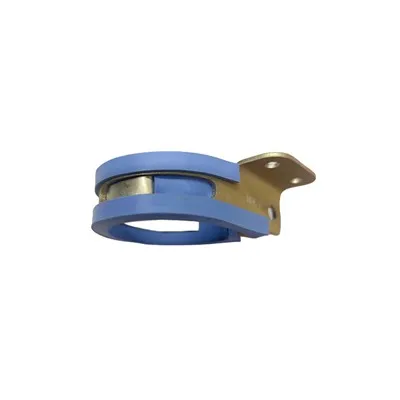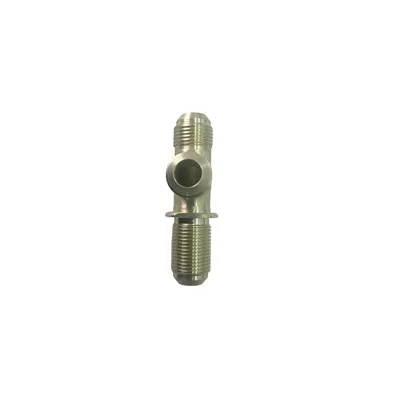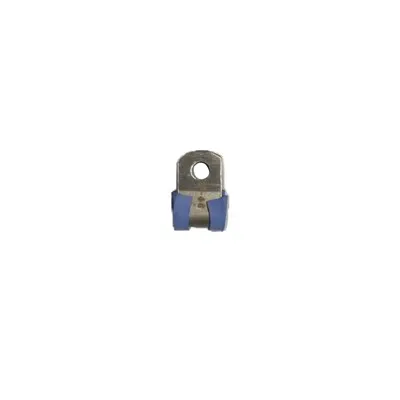

As a supplier of rubber strap clamps, I understand the importance of providing high - quality products to our customers. Determining whether a rubber strap clamp is of good quality involves a comprehensive assessment from multiple aspects. In this blog, I'll share some key factors to help you evaluate the quality of rubber strap clamps.
Material Quality
The quality of the rubber material is the foundation of a good - quality rubber strap clamp. High - grade rubber should have excellent elasticity, which allows the clamp to tightly hold the object without losing its shape over time. For instance, natural rubber is known for its high elasticity and tear resistance. It can withstand repeated stretching and compression without breaking or deforming easily.
Synthetic rubbers, such as neoprene and nitrile rubber, also have their unique advantages. Neoprene is resistant to oil, ozone, and weathering, making it suitable for outdoor and industrial applications. Nitrile rubber, on the other hand, has excellent oil and fuel resistance, which is ideal for automotive and machinery applications.
When evaluating the material, you can perform a simple stretch test. Take a small sample of the rubber strap and stretch it gently. A good - quality rubber strap should return to its original shape quickly after being stretched. If it remains stretched or shows signs of tearing, it may indicate poor material quality.
Durability
Durability is another crucial factor in determining the quality of a rubber strap clamp. A durable clamp can withstand harsh environmental conditions, including extreme temperatures, humidity, and exposure to chemicals.
In high - temperature environments, the rubber should not become soft or melt. Conversely, in cold temperatures, it should not become brittle and crack. For example, if a rubber strap clamp is used in an engine compartment, it needs to resist the high - temperature generated by the engine.
To test the durability of a rubber strap clamp, you can expose it to different environmental conditions in a controlled environment. For example, place the clamp in a high - temperature oven for a certain period and then check for any signs of deformation or degradation. You can also test its resistance to chemicals by immersing it in a solution of common chemicals used in its intended application.
Clamping Force
The clamping force of a rubber strap clamp is essential for its functionality. A good - quality clamp should be able to provide a strong and consistent clamping force to hold the object securely.
The clamping force depends on several factors, including the design of the clamp and the elasticity of the rubber. A well - designed clamp should have a uniform distribution of force along the strap. You can test the clamping force by using a force gauge. Place the object to be clamped between the rubber strap and measure the force required to pull the object out. If the clamping force is too weak, the object may not be held securely, while an excessive clamping force may damage the object.
Precision of Manufacturing
Precision in manufacturing is vital for ensuring the quality of rubber strap clamps. The dimensions of the clamp should be accurate to ensure a proper fit with the object to be clamped. Any deviation in the dimensions can lead to a loose or tight fit, which may affect the performance of the clamp.
During the manufacturing process, high - quality control standards should be maintained. This includes using precise molds and manufacturing techniques. For example, injection molding is a common method for producing rubber strap clamps. A well - made mold can ensure that the clamp has a smooth surface and accurate dimensions.
Resistance to Wear and Tear
Rubber strap clamps are often subject to friction and abrasion during use. A good - quality clamp should have a high resistance to wear and tear. This can be achieved through the use of high - quality rubber materials and appropriate surface treatments.
Some rubber strap clamps may have a protective coating to enhance their wear resistance. For example, a silicone - based coating can reduce friction and prevent the rubber from wearing out quickly. You can visually inspect the surface of the clamp for any signs of wear, such as scratches or abrasions. A clamp with a smooth and intact surface is more likely to have good wear resistance.
Compatibility
The rubber strap clamp should be compatible with the object it is intended to hold. This includes considerations such as the size, shape, and material of the object. For example, if you are clamping a cable, the clamp should have a suitable inner diameter to fit the cable snugly.
In addition, the rubber material should not react with the material of the object. For instance, if the object is made of metal, the rubber should not cause corrosion or damage to the metal surface. Some rubber materials may contain chemicals that can react with certain metals, so it's important to choose a clamp that is compatible with the specific application.
Brand Reputation
The reputation of the brand can also be an indicator of the quality of the rubber strap clamp. A well - established brand with a good track record is more likely to produce high - quality products. You can research the brand by reading customer reviews and testimonials.
Brands that invest in research and development and have a commitment to quality control are generally more reliable. They are more likely to use high - quality materials and advanced manufacturing processes to ensure the performance of their products.
Industry Standards
Compliance with industry standards is an important aspect of quality. Rubber strap clamps should meet relevant international and national standards. For example, in the automotive industry, there are specific standards for the performance and safety of rubber components.
Standards can cover aspects such as material properties, clamping force, and environmental resistance. By choosing a clamp that meets industry standards, you can be more confident in its quality.
Cost - Benefit Analysis
While quality is important, cost is also a consideration. A high - quality rubber strap clamp may be more expensive than a low - quality one, but it can offer better performance and durability in the long run. When evaluating the cost - benefit, you need to consider the total cost of ownership, including the initial purchase price, maintenance costs, and replacement costs.
A good - quality clamp may require less frequent replacement, which can save you money in the long term. On the other hand, a low - quality clamp may need to be replaced more often, leading to higher overall costs.
Conclusion
In conclusion, determining the quality of a rubber strap clamp involves a comprehensive evaluation of material quality, durability, clamping force, precision of manufacturing, resistance to wear and tear, compatibility, brand reputation, and compliance with industry standards. By considering these factors, you can make an informed decision when purchasing rubber strap clamps.
If you are looking for high - quality rubber strap clamps, we are here to help. We offer a wide range of products, including Rubber Cushioned Cable Clamp, Rubber Gland Seal, and Unitized Seal. Our products are manufactured with high - quality materials and strict quality control to ensure the best performance. If you have any questions or are interested in purchasing our products, please feel free to contact us for further discussion.
References
- ASTM International. (2023). Standards related to rubber products.
- ISO. (2023). International standards for rubber components.